Periodontal Disease in Dogs



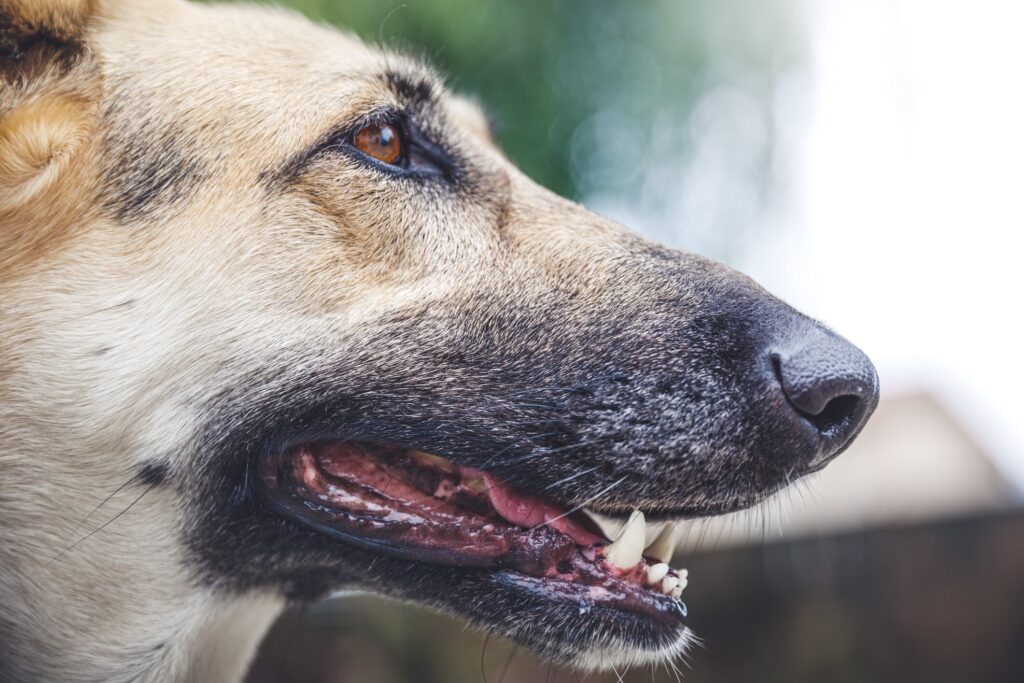
Gregory_DUBUS/iStock / Getty Images Plus via Getty Images
What Is Periodontal Disease in Dogs?
Periodontal disease, known as dental disease, is one of the most common health issues in dogs. Just as with humans, plaque and tartar can build up on dogs’ teeth. As it accumulates it can get under the gumline, causing gingivitis, an inflammation of the gums.
As the plaque, tartar, and gingivitis progress, bacteria in the mouth begin to break down the support structures for the teeth, a process known as periodontitis. This leads to further buildup of “bad” bacteria in the mouth that cause death of the tissues. These “bad” bacteria also produce sulfur compounds that lead to bad breath.
Depending on the severity of periodontal disease, it can be quite painful for dogs, and may cause them to stop eating. This is especially true if your pet develops a tooth root abscess. Abscesses are painful and are considered a medical emergency.
Periodontal disease in dogs isn’t considered a medical emergency, but the sooner your pup gets treated for dental disease, the better. If dental disease worsens, it can become irreversible, resulting in your pet needing their teeth extracted.
Stages of Periodontal Disease in Dogs
There are four stages of periodontal disease in dogs.
Teeth are held into the jaw by the jawbone and periodontal ligaments. As dental disease progresses, the bone and ligaments begin to break down, until eventually the tooth can fall out.
Staging of dental disease in dogs is based on how much bone loss has occurred around the teeth. These stages are:
-
Gingivitis with no bone loss. This will appear as redness along the gumline.
-
Early periodontal disease with more than 25% bone loss
-
Established periodontal disease with 25% to 50% bone loss
-
Advanced periodontal disease with more than 50% bone loss
Symptoms of Periodontal Disease in Dogs
Common symptoms of periodontal disease in dogs include:
-
Bad breath
-
Tartar accumulation on the teeth
-
Red, inflamed gums
-
Loose teeth
-
Missing teeth
-
Decreased appetite
-
Bleeding from the gums, especially when chewing on toys or hard treats
-
Teeth chattering, quivering lips
-
Favoring one side of the mouth when chewing
-
Facial swelling (occurs only in dental abscesses)
-
Roots of the teeth are visible (these should be covered by bone and the gums)
Causes of Periodontal Disease in Dogs
Periodontal disease in dogs is caused by plaque, tartar, and gingivitis in the mouth.
Some things predispose dogs to more rapid development of periodontal disease:
-
Genetics/breed predisposition, especially small breed dogs and short-muzzled dogs
-
Enamel defects
-
Misalignment of the jaw/teeth (underbites/overbites)
-
Lack of oral hygiene
-
Wet food diets, which stick to the teeth more than dry food. This provides more food for the bacteria in the mouth. This doesn’t mean wet food is bad—it just requires pet parents to pay closer attention to their pup’s oral hygiene.
How Veterinarians Diagnose Periodontal Disease in Dogs
When bringing your dog to the vet, mention if your pet is exhibiting any symptoms of dental disease, This can help your vet determine how urgently your dog needs a dental cleaning.
Sometimes a dog’s teeth can look fine, but your pet can still have hidden dental disease. This is because 40% of dogs’ and cats’ dental disease is under the gumline and can only be seen on dental X-rays.
Because periodontal disease is determined by the amount of bone loss around each tooth, full mouth X-rays are required to diagnose it.
In severe cases, the roots of the teeth can visually be seen on a physical exam. If the roots cannot be seen on a physical exam, X-rays are needed to determine the level of periodontal disease.
Treatment of Periodontal Disease in Dogs
Only the first stage of periodontal disease is reversible. While further stages cannot be reversed, they can be treated and managed with anesthetic dental cleanings.
Many pet parents have reservations about anesthesia, but it’s in your pet’s best interest. Vets take every precaution possible to ensure pets are kept safe while under anesthesia. Non-anesthetic dental cleanings are not recommended.
While having a dental cleaning, pets can receive all the same care that humans do for our dental cleanings, including:
-
Full mouth exam with dental charting and probing
-
Full mouth dental X-rays
-
Scaling
-
Polishing
-
Tooth removal, if needed
All these procedures are recommended to help treat and manage dental disease in dogs.
Because anesthesia is involved in this procedure, dental cleanings can be pricey, depending on the region and whether you go to a general vet or a dental specialist.
Prices can range anywhere from about $500 to $5,000 for dental cleanings for dogs. The higher end of the estimate is if you elect to go to a dental specialist to have specialized procedures done—such as a root canal to save a tooth from being extracted.
Unfortunately, there are no over-the-counter products that treat dental disease. However, some products can help to prevent and slow the progression of dental disease. The Veterinary Oral Health Council has tested various products on the market, and its veterinary dentists have listed products they have found to be the most helpful.
These products are best utilized from an early age, as early as 6 months old. You can even start brushing your puppy’s teeth as early as 8 weeks old to get them used to the process. However, even if you provide great oral hygiene to your pup, they will still need regular dental cleanings throughout life.
Recovery and Management of Periodontal Disease in Dogs
Fortunately, the mouth is one of the fastest healing parts of the body. This means most dogs that have an anesthetic dental cleaning recover quickly and uneventfully from the procedure.
Pups that have teeth pulled typically recover within seven days. For these pets, it’s recommended that they receive a wet food diet for the week following the procedure while their gums heal.
After a dental procedure, it’s important to start an at-home dental routine to help prevent recurrence of dental disease.
Prevention of Periodontal Disease in Dogs
One of the best ways to prevent further tartar buildup is to brush a dog’s teeth at home once daily with a soft bristle toothbrush.
Brushing a dog’s teeth helps to scrape off plaque. Since plaque is the precursor to tartar, by simply brushing off the plaque layer it can help to prevent further tartar buildup. Pet toothpaste is not required to remove this plaque layer, but it can help with bad breath.
It can be challenging to brush a dog’s teeth, but with patience and training, most dogs eventually tolerate it.
Some alternatives to using a toothbrush include gauze pads, washcloths, or any other soft but coarse fabric that can be used to help scrape the plaque layer off their teeth.
It can take time for dogs to adjust to having their teeth brushed, and even after extensive training, some dogs just don’t tolerate it.
If this is the case, any of the products approved by the Veterinary Oral Health Council—such as water additives and powders—can help to prevent further tartar buildup on dogs’ teeth.
Periodontal Disease in Dogs FAQs
How long can a dog live with periodontal disease?
Dogs can live for a very long time with periodontal disease—but it’s not without side effects. Sometimes it can decrease your dog’s quality of life and lifespan.
Is there home treatment for stage four periodontal disease in dogs?
Unfortunately, there are no home remedies for periodontal disease in dogs, particularly the fourth stage.
What happens if periodontal disease in dogs is left untreated?
If left untreated the disease will continue to progress, leading to further gum and bone erosion, which will ultimately cause the teeth to fall out.
This process is painful, which is why it’s recommended to get your pup a dental cleaning immediately to help treat and manage it.
In some cases, if periodontal disease is left untreated it can even lead to infections, a jaw fracture from the bone loss, or organ damage.


