Hair Loss in Dogs (Alopecia in Dogs)



What Is Alopecia in Dogs?
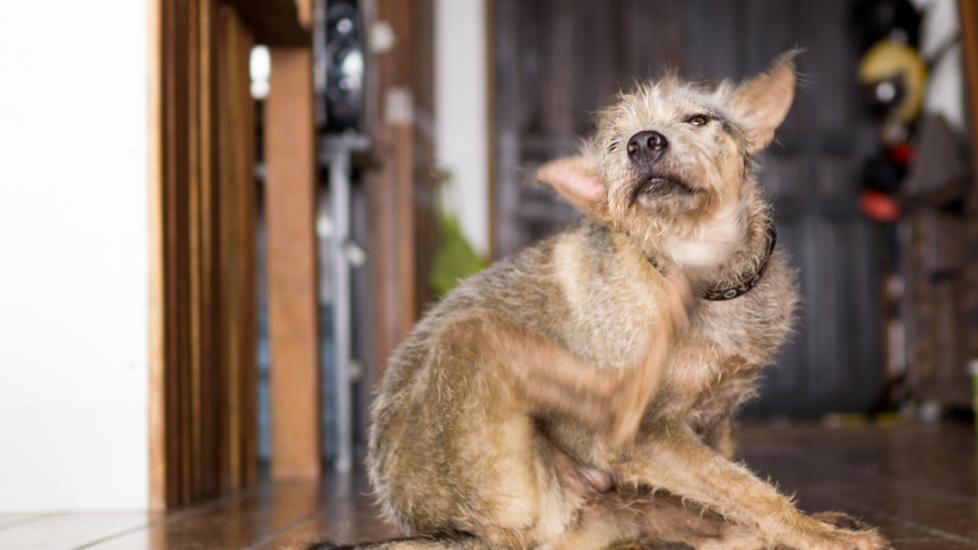
Alopecia, also known as hair loss, is a very common condition in dogs. Alopecia is different from shedding, which is a normal part of your dog’s hair growth cycle and depends on the dog’s breed. Alopecia refers to either thinning hair or spots of hair loss (bald spots). Where the hair loss occurs can depend on the underlying cause.
Health Tools
Not sure whether to see a vet?
Symptoms of Alopecia in Dogs
Depending on the cause of the alopecia, there may be accompanying symptoms including:
-
Mild to severe scratching (but sometimes no scratching at all)
-
Skin that is red, inflamed, thickened, oozing, bleeding, malodorous, or pigmented (black)
-
Skin with papules (red spots), pustules (pimples), plaques, or hives.
If the alopecia is caused by parasites, they may or may not be visible. Fleas, ticks, and lice can be seen with the naked eye; mites and fungal elements such as ringworm cannot be seen. Often the dog will cause trauma to their skin by excessive scratching, causing open wounds. Many dogs will have other affected areas, such as ears and feet, particularly with certain allergies.
Causes of Alopecia in Dogs
There are numerous causes of alopecia in dogs. Here are some of the most common ones:
-
Ectoparasites (fleas, lice, mosquitoes, mange mites such as Demodex or Sarcoptes)
-
Spider bites or insect stings
-
Skin infections (bacterial, fungal)
-
Allergies (inhaled, contact, insect)
-
Atopy, a genetic predisposition to develop allergic reactions or diseases
-
Anxiety-related or underlying pain with self-trauma
-
Autoimmune disorders
-
Endocrine diseases (e.g., hyperadrenocorticism, hypothyroidism, seasonal flank alopecia, sex hormone-responsive)
-
Genetic causes (e.g., Alopecia X, color dilution alopecia, certain breed predispositions)
-
Nutritional (starvation or unbalanced diet, vitamin deficiencies)
-
Environmental (e.g., outdoor, filthy, hot, or moist conditions)
-
Vaccine site alopecia
-
Chemical exposure, burns
-
Cancer
Dog Breeds That Are Prone to Alopecia
Dogs that are especially prone to alopecia include:
-
Mexican Hairless, Chinese Crested (“normal”)
-
Genetic: Bulldogs, Dobermans, Yorkshire Terriers, Dachshunds, Greyhounds
-
Nordic breeds: When clipped, hair may not return for Siberian Huskies, Pomeranians, and others
-
Atopy-prone breeds: Golden and Labrador Retrievers, Bulldogs, West Highland White Terriers, and others
-
Any breed with poor husbandry, especially puppies, is prone to Demodectic mange
How Vets Diagnose Alopecia in Dogs
A thorough physical exam by your veterinarian is the single most important step in diagnosing the cause or causes of alopecia. It is seldom a quick fix when it comes to skin disorders in dogs. Your vet will take multiple factors into consideration before determining what diagnostics are appropriate in your dog’s case (including age, breed, sex, health status, and prior medical history).
Unfortunately, there is no simple “recipe” to fix alopecia in dogs. Figuring out the cause is essential to choosing treatment options. Also, many (if not most) causes of alopecia are ongoing conditions that will need periodic medications or other treatments. Understanding this before you even make the vet appointment will go a long way in saving you from frustration if symptoms return in the future.
When seeing your veterinarian, be prepared to answer thorough questions about your dog’s history, including:
-
Diet
-
Number of pets in the home
-
Degree of pruritus (“itchiness”)
-
Past treatments
-
Dog’s environment (indoor/outdoor)
-
Dog’s “job” (hunting dog vs. couch potato)
-
Parasite medications
-
Prior health issues or blood work abnormalities
-
Exposures (pond water, wooded areas, wild animals, etc.)
Once your vet has these answers, they can examine your pet and determine possible causes. Your vet will check closely for any evidence of fleas or flea “dirt” (feces), ticks, or saliva-stained areas such as the feet, tail base, and flanks.
They will also note any unusual odors. Yeasty feet smell like Fritos, and ears have unique smells depending on yeast or bacteria. Your dog’s skin may have a waxy or greasy feel, which will help decide what topical therapies to use.
Common Diagnostic Tests
Depending on the exam findings, your vet may recommend one or more of the following tests:
-
Skin scrapes (for Demodectic or Sarcoptic mange)
-
Cultures (for bacterial infections)
-
Tape preps (looking for bacteria, yeast, and inflammatory cells)
-
Black light and/or fungal cultures (for Dermatophytosis or ringworm)
-
Ear smear to look for bacteria, yeast, cells, or mites
-
Skin testing for allergies
-
Possible food trials
-
Blood tests (for organ function and endocrine diseases)
-
Fecal exam (for parasites)
-
Biopsy (for autoimmune diseases or cancer)
Treatment for Alopecia in Dogs
Treating alopecia depends entirely on the cause. If it is merely cosmetic and one small lesion, no treatment may be needed. Depending on the cause, one or more of the following may be recommended:
-
Food trials
-
Medications (antibiotics, antifungals, steroids, antihistamines, anti-parasiticides, anti-inflammatory or anti-pruritic medications such as Apoquel, Atopica, or Cytopoint injections)
-
Topical therapy (medicated shampoos, sprays, ointments, or dips)
-
Surgical removal
-
Other
Recovery and Management of Alopecia in Dogs
If the underlying cause of the alopecia is identified, avoiding the cause in the future is very important. It is not always that simple, however, so controlling what you can will go a long way in managing your dog’s alopecia. That includes using effective, regular flea control; keeping your dog clean and well groomed; and avoiding known allergens.
If and when your dog starts to have alopecia in the future, it is vitally important that you see your veterinarian quickly in order to stop the progression of symptoms.