Lead Poisoning in Cats



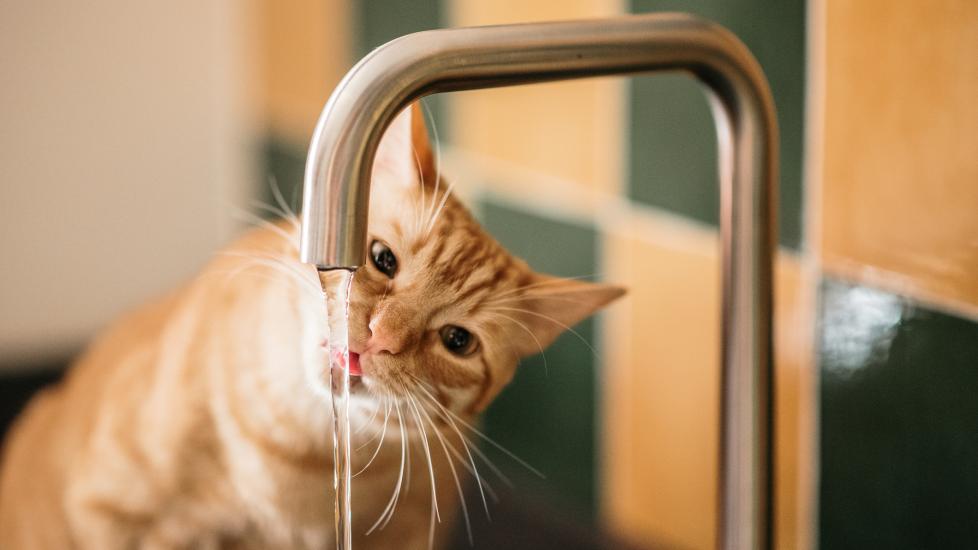
Although not common, lead poisoning is a serious concern in cats. Lead poisoning—also called plumbism—typically occurs when cats eat lead-containing objects or lead-contaminated food or water, or when they groom themselves after being exposed to lead.
What Is Lead Poisoning in Cats?
When a cat eats or drinks lead, their stomach’s acidic environment ionizes the substance, making it easier to absorb. The amount a cat absorbs is affected by dietary factors such as their body’s calcium and iron levels.
Higher lead levels in the blood can disrupt and damage a cat’s normal cell functions, possibly affecting several body systems. One way lead disrupts normal cell functions is by taking the place of calcium and zinc, which are important minerals needed for normal cell metabolism.
Adult cats rarely develop lead poisoning, but kittens are at higher risk because they are willing to eat more things and their absorption rate is higher.
Lead poisoning in cats is a veterinary emergency, and an affected cat can die if not treated.
How Much Lead Is Toxic to a Cat?
Lead is toxic when a cat has 10 to 15 mg/kg at one time. An example would be if they ate a single lead paint chip about the size of a thumbnail. However, low-level chronic poisoning can occur at 5 mg/kg per day.
Lead is everywhere. Your cat may be exposed to lead in the following ways:
-
Eating or licking paint chips, solder, plumbing material, lead foil, lead fishing weights, lead shot, and some batteries
-
Drinking or eating from improperly glazed food or water dishes that allow lead to contaminate the contents.
-
Drinking water contaminated by lead pipes.
-
Grooming after scratching or rolling in lead-contaminated soil
Symptoms of Lead Poisoning in Cats
Lead poisoning signs depend on the amount of this heavy metal a cat eats. Acute signs, which can occur within 24 to 48 hours of exposure, include:
-
Hyperexcitability
Although some lead poisoning cases are acute, chronic poisonings happen gradually if a cat is exposed to a low level of lead on a regular basis. Chronic lead poisoning signs include:
-
Abdominal discomfort
-
Vomiting
What Should I Do if My Cat Ate Lead?
If you know or suspect your cat has ingested lead, contact the Pet Poison Helpline at 855-764-7661 and take your cat to the nearest emergency veterinary hospital.
If your cat has lead dust or flakes on their coat, use a moistened towel to remove as much as possible on your way to the veterinarian.
Your vet may have a hard time figuring out whether your cat has lead poisoning, especially if you didn’t see your cat ingest the toxin. Diagnostics may include:
-
History—Your veterinarian will ask for a detailed history to figure out if your cat could have been exposed to lead. Make sure you inform your vet about any lead source in your home, such as lead-based paint or plumbing material.
-
Physical exam—A thorough physical exam helps your vet check your cat’s overall health and look for abnormalities such as pale mucous membranes or abdominal discomfort.
-
Blood work—Blood work, such as a complete blood count (CBC) and biochemistry profile, helps your veterinarian rule out other health issues that could cause similar signs.
-
X-rays—X-rays can detect lead-containing material in the gastrointestinal (GI) tract.
-
Lead levels—Blood lead levels can confirm a lead poisoning diagnosis. Blood lead levels of 0.6 ppm mean your cat has lead toxicosis.
Treatment of Lead Poisoning in Cats
Lead poisoning in cats is a veterinary emergency that requires immediate care. Treatment may include:
-
Lead removal—The first step is to remove any lead that’s still in the cat’s GI tract. This may involve gastric lavage (i.e., stomach pumping), enemas, activated charcoal, or purgatives. If lead shot is embedded in your cat’s body tissue, your vet must remove it surgically.
-
Chelation therapy—Chelating agents, such as calcium edetate (EDTA) and succimer, are given to bind to the lead, allowing your cat’s body to pass it as waste.
-
Symptomatic care—Other treatments—such as intravenous (IV) fluid therapy, anti-nausea medications, and medications to control seizures—may be needed depending on your cat’s condition.
Most affected cats are hospitalized for treatment and monitoring, but if your cat’s signs are mild, they may be able to go home after therapy. However, repeated treatments to remove lead may be needed if your cat’s lead levels are high.
Prognosis of Lead Poisoning in Cats
Prognosis depends on the severity of your cat’s lead poisoning signs and the length of time your cat has been affected. If the lead poisoning is treated quickly, the prognosis is usually good, and most cats recover within 24 to 48 hours.
Cats who have uncontrolled seizures have a more uncertain prognosis, and some cats have permanent damage such as blindness or recurring seizures. If your cat has been exposed to lead, you, your family, and other pets in your home are also at risk.
Prevention of Lead Poisoning in Cats
Since lead is commonly found in many places, you may be unable to prevent your cat from encountering this heavy metal. However, you can help decrease your cat’s lead exposure and help prevent them from developing lead poisoning by doing the following:
-
Make sure your cat doesn’t have access to lead-containing items such as lead fishing weights, paint, windowsills, and plumbing materials.
-
If you live in a home built before 1978, check underlying paint layers for lead content.
-
Don’t allow your cat to access home renovation areas.
Featured Image: MarioGuti/iStock / Getty Images Plus via Getty Images