Heavy Breathing in Cats



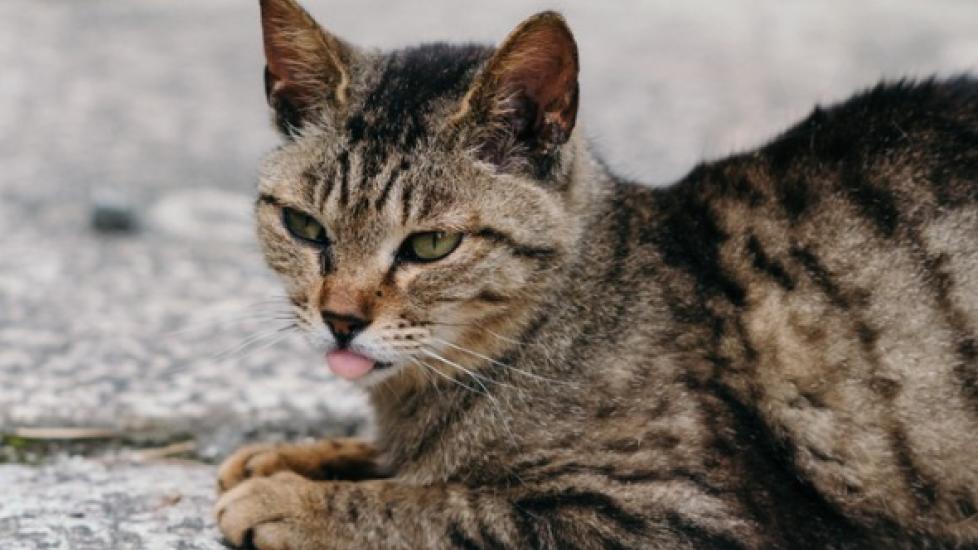
Difficulty breathing is always found near the top of lists of health emergencies in cats. There are two reasons for this:
- First, most of the causes of heavy breathing in cats are quite serious.
- Second, cats are so good at hiding the fact that they’re sick or injured that by the time their heavy breathing becomes noticeable, they’re often nearing a crisis.
Here are a few important things to know about heavy breathing in cats:
Types of Heavy Breathing in Cats
Heavy breathing is a catch-all term. Let’s look at some of the specific types of breathing and what that could mean.
-
Cat Panting – Unlike dogs, cats do not pant to cool themselves off unless they are seriously overheated. If your cat is panting after playing, for example, that is almost never normal. Cats will sometimes pant when they are extremely stressed, and though this may not sound dangerous, you should try to figure out why they are stressed and what you can do to improve the situation.
-
Cat Wheezing – Wheezes are high-pitched sounds usually heard when a cat exhales. They can be signs of a partial airway blockage, such as the airway narrowing associated with feline asthma.
-
Cat Breathing Fast – Cats will breathe fast when they aren’t getting enough oxygen or getting rid of enough carbon dioxide. Exercise may cause a cat to breathe rapidly, but they should quickly return to normal with rest. Many conditions can cause a cat to breathe fast, including lung disease, conditions affecting the upper respiratory tract, heart disease, metabolic conditions (uncontrolled diabetes, for example), disorders affecting the blood, high body temperature, pain, or stress.
-
Cat With Labored Breathing – Cats with respiratory problems may also try to compensate by taking deeper breaths. If you watch closely, you can often see that they are working hard to breathe.
-
Open-Mouth Breathing in Cats – Cats are designed to breathe through their noses. Open-mouth breathing can be a sign that they can’t pass air through their nose or that they are really struggling to breathe.
-
Cat Sounds Congested When Breathing – Nasal congestion is a common symptom of upper respiratory infections in cats, but you’ll usually also see nasal discharge. If your cat sounds “gurgly” but their nose looks normal, the congestion may be in the lungs, which could be a symptom of pneumonia, heart disease, or another serious health problem.
-
Cat Breathing Loudly (Noisy, Raspy) – Noisy breathing usually occurs when air is forced past an abnormally narrow area in the respiratory tract. This can happen with problems affecting the nasal passages, pharynx (back of the nose and mouth), trachea, or small airways.
-
Cat Breathing Heavily While Resting – The only time that heavy breathing in cats is normal is after strenuous exercise. Breathing heavily while resting, other than the occasional deep sigh, is seen with dangerous health problems, like heart failure or severe lung disease.
-
Cat With Shallow Breathing – A healthy cat’s breathing may look shallow, particularly when they’re resting. But shallow breathing isn’t normal if it’s associated with other symptoms, like open-mouth, rapid, or labored breathing.
-
Cat With Abdominal Breathing – A cat’s abdomen will move a little bit with normal breathing, but they shouldn’t have to use their abdominal muscles to breathe. This is a sign of labored breathing in cats.
What to Do if Your Cat Has Trouble Breathing
Never ignore heavy breathing in cats. Unless your cat has just run a few laps around the house or experienced something stressful (and they quickly return to normal), make an appointment with your veterinarian.
If your cat’s symptoms are severe, you should see a veterinarian immediately, even if it means a middle-of-the-night trip to the emergency hospital. Cats who are having big problems breathing can be near collapse. Stay calm, but quickly get them into a carrier and to a nearby veterinarian.
Causes of Heavy Breathing in Cats
There are many causes of heavy breathing in cats, most of which pose a significant threat to their well-being.
-
Asthma and Chronic Bronchitis – Cats with asthma and an associated condition, chronic bronchitis, often display labored breathing, wheezing, and coughing.
-
Cancer – Many types of cancer can affect a cat’s respiratory system.
-
Heartworms – Cats can develop heartworm disease after being bitten by a mosquito that is infected with larval Dirofilaria immitis parasites.
-
Infections – Viruses, bacteria, fungi, and other microorganisms can lead to upper respiratory infections, tracheobronchitis, and pneumonia.
-
Heart Disease – Heart problems can adversely affect blood circulation, cause fluid to build up in or around the lungs, and result in heart enlargement, all of which can cause heavy breathing in cats.
-
Fluid or Gas Around the Lungs – Accumulation of blood, pus, chyle (a fatty liquid), and other fluids or gas in the chest cavity makes it hard for the lungs to expand.
-
Trauma – Injuries to the chest can obviously cause breathing problems, but so can injuries to other parts of the body that result in pain, bleeding, neurologic dysfunction, or movement of abdominal organs into the chest cavity.
-
Toxins and Drugs – Poisons that affect blood clotting can lead to bleeding and heavy breathing. Acetaminophen (Tylenol) should never be given to cats because it damages their red blood cells’ ability to carry oxygen. Other reactions to toxins and drugs can also make it hard for cats to breathe.
-
Foreign Objects – Cats can inhale things that become lodged in airways and prevent normal breathing.
How Vets Diagnose Breathing Problems in Cats
The veterinarian may need to stabilize your cat with oxygen therapy or other treatments before the search for an underlying problem can begin.
When it’s safe to do so, the veterinarian will perform a full physical exam and ask you questions about your cat’s health, lifestyle, and the symptoms you have been seeing at home.
Unless the underlying problem is obvious—for example, you saw your cat eat a bunch of Tylenol— the vet will probably need to run some diagnostic tests to get to the bottom of the situation. These may include:
-
Blood chemistry panel
-
Complete blood cell count
-
Urinalysis
-
Fecal examination
-
Special lab tests based on the specifics of the case (serology to identify infectious diseases, for example)
-
Chest x-rays
-
Ultrasound of the heart (echocardiogram) and other parts of the body
-
Taking and analyzing samples of fluid or tissue
-
Blood pressure measurement
Treatments for Heavy Breathing in Cats
The treatment will depend on the specific cause of your cat’s heavy breathing:
-
Asthma and Chronic Bronchitis –Veterinarians can prescribe medications that decrease inflammation and dilate airways. It’s also helpful to eliminate or reduce triggers like secondhand smoke, dusty cat litter, strong scents, and allergies that make a cat’s asthma worse.
-
Cancer – Surgery, chemotherapy, radiotherapy, palliative care, and other forms of treatment can prolong a cat’s life and improve their well-being.
-
Heartworms – Heartworm prevention is important for cats because treating heartworm disease is difficult and not always successful.
-
Infections – Veterinarians may prescribe antibiotics for bacterial infections, antifungal medications for fungal infections, and sometimes antiviral treatments for viral infections.
-
Heart Disease – Medications can help improve heart function, reduce the buildup of fluid, and manage high blood pressure.
-
Fluid or Gas Around the Lungs – A chest tap or chest tube can quickly improve a cat’s ability to breathe.
-
Trauma – Cage rest, pain relief, blood transfusions, and surgery may all be part of a cat’s treatment plan.
-
Toxins and Drugs – Treatment will depend on the specific toxin or drug involved.
-
Foreign Objects – A veterinarian can remove foreign material from a cat’s airways using an endoscope or with surgery.
Supportive care in a veterinary hospital is also an essential part of treating many cases of heavy breathing in cats. This may involve rest, nursing care, oxygen therapy, fluid therapy, or nutritional support. Once your cat can continue their recuperation at home, they should stay indoors and be closely monitored. Call your veterinarian if you have any questions or concerns.
And remember, the sooner the cause of a cat’s heavy breathing is diagnosed and treated, the better the chances of a speedy recovery.
Featured Image: iStockphoto.com/Domestic Cat