Ataxia in Cats: Causes and When To Worry



Christopher Freeman/iStock / Getty Images Plus via Getty Images
What Is Ataxia in Cats?
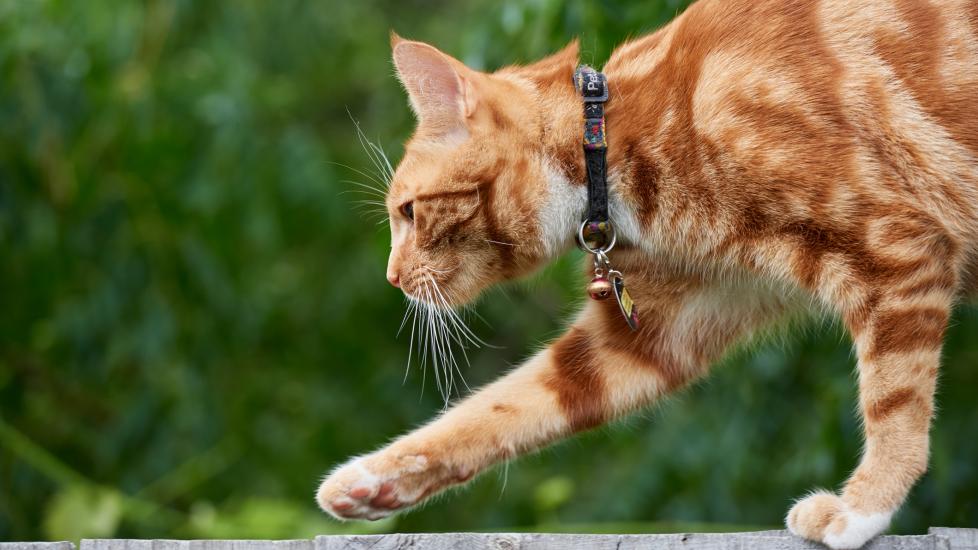
Cats are known for their extraordinarily good balance—at some point, you may have seen a cat fearlessly walk along a narrow fence top or windowsill.
Ataxia in cats refers to a feline's lack of balance or coordination.
Cats with ataxia may struggle with good foot placement and have trouble walking. they have a problem with their nervous system, which interferes with their ability to maintain steadiness when they walk.
Types of Ataxia in Cats
Ataxia in cats is broken down into three categories:
-
Proprioceptive/Sensory ataxia: Proprioception refers to the innate ability to sense the position of your feet and limbs in space without needing to look. It relies on sensory nerves transmitting information from the limbs to the brain via the spinal cord.
-
When this pathway is disrupted by conditions such as a bulging disc, spinal tumor, or other issue, cats lose this sense. Decreased proprioception can cause them to knuckle over, place their feet strangely, or even drag the affected legs.
-
-
Cerebellar ataxia: The cerebellum, located at the back of the brain, is responsible for fine motor control and movement.
-
If a cat is affected by a cerebellar issue, such as cerebellar hypoplasia (underdevelopment of the cerebellum), they may struggle to walk or move around.
-
-
Vestibular ataxia: Vestibular ataxia occurs due to a disturbance in the inner ear, which plays an important role in balance.
-
Cats with untreated deep ear infections can develop vestibular changes. This type of ataxia often appears spontaneously in senior cats without an apparent cause.
-
Causes of Ataxia in Cats
Ataxia in cats can stem from various underlying conditions, including:
-
Inner or middle ear infection
-
Tumors in the ear, skull, or spine
-
Trauma to the spinal cord
-
Infections invading the neural tissue (e.g., FIP, toxoplasmosis)
-
Toxins or drug reaction (e.g., metronidazole)
Is Ataxia in Cats an Emergency?
Unexplained onset of ataxia in cats is considered a medical emergency and requires immediate veterinary attention.
When To Call Your Vet
If your cat is stumbling, has a lack of coordination, or is displaying other neurological deficits, they should be seen by a veterinarian as soon as possible.
Many of the possible causes of ataxia in cats are serious and require prompt initiation of treatment to prevent your cat from getting worse.
How Veterinarians Diagnose Ataxia in Cats
Ataxia is usually diagnosed by a veterinarian on a physical exam.
They will do a complete neurological exam as well to determine which part of the nervous system is affected. That will help guide which tests to recommend next.
Depending on what is found on the initial exam, your vet may recommend blood work, X-rays, and possibly an ear swab and culture.
Sometimes cats with ataxia require a referral to a veterinary neurologist for advanced imaging, such as an MRI or CT scan.
Ataxia is usually diagnosed by a veterinarian on a physical exam.
If your cat has had a recent fall or other trauma, or if you suspect they have had exposure to any toxins, let your vet know right away.
Treatment of Ataxia in Cats
Depending on the underlying cause, ataxia can resolve with treatment.
Cats who are ataxic due to intervertebral disc disease may require surgery, while others may respond to medical management with steroids and rest if the disc is only bulging rather than extruded (protruding outward).
Those who are ataxic due to an underlying infection will be treated with appropriate antibiotics, antifungals, or anti-parasitic drugs.
Some cases of ataxia can simply resolve over time with rest and supportive care, such as in the case of spontaneous vestibular disease.
Other cases of ataxia may not be treatable, such as cerebellar hypoplasia or tumors of the spinal cord.
Recovery and Management of Ataxia in Cats
Recovery from ataxia can be slow.
Some cats may get their balance back over the course of several days, while for others it may take weeks or months.
During your cat’s recovery, it’s important that you make sure they have easy access to their food, water, and litter box.
Avoid putting food and water bowls up high on counters, as jumping may be difficult for your cat while they are still unsteady and stumbling.
Consider getting a litter box with a low entry point to make it easier for your cat to get in and out. Place a traction mat under or around the food, water, and litter box to help them maintain stability while attending to their needs.
Avoid allowing access to staircases, swimming pools, and other potentially dangerous activities until their balance improves.
Prevention of Ataxia in Cats
Some causes of ataxia are genetic and can’t be prevented, such as inherited conditions like cerebellar hypoplasia or certain breed-specific genetic disorders.
Ataxia in cats resulting from trauma, infection, or toxins can be prevented by limiting exposure.
Keeping your cat indoors can reduce their risk of exposure to communicable diseases from other cats and lower the chance of trauma from falls or accidents with vehicles.
Ataxia in cats resulting from trauma, infection, or toxins can be prevented by limiting exposure.
Indoor cats also have less exposure to unknown toxins in neighboring garages and in trash cans.
Ataxia in Cats FAQs
How long can cats live with ataxia?
If they can receive treatment, most cats with ataxia can live a normal life.
However, if the underlying condition causing ataxia is untreatable, their life expectancy may be limited.
Many of the diseases leading to ataxia are progressive and can significantly impact quality of life if treatment options are unavailable.
Why is my cat suddenly having ataxia?
Ataxia in cats is the result of issues in the brain, spinal cord, or inner ear/vestibular system.
It can occur suddenly following an injury or infection, or it can be a sign of conditions such as cancer, toxin exposure, or stroke.
Can ataxia be cured?
Whether or not ataxia can be cured depends on its underlying cause. Ataxia caused by spinal cord inflammation or treatable infections can potentially be cured.
However, ataxia caused by certain cancers or genetic disorders may not have a cure.
References
Penderis J. The Wobbly Cat: Diagnostic and Therapeutic Approach to Generalised Ataxia. Journal of Feline Medicine and Surgery. 2009;11(5):349–359.