Hyperthyroidism in Cats: Symptoms and Treatment

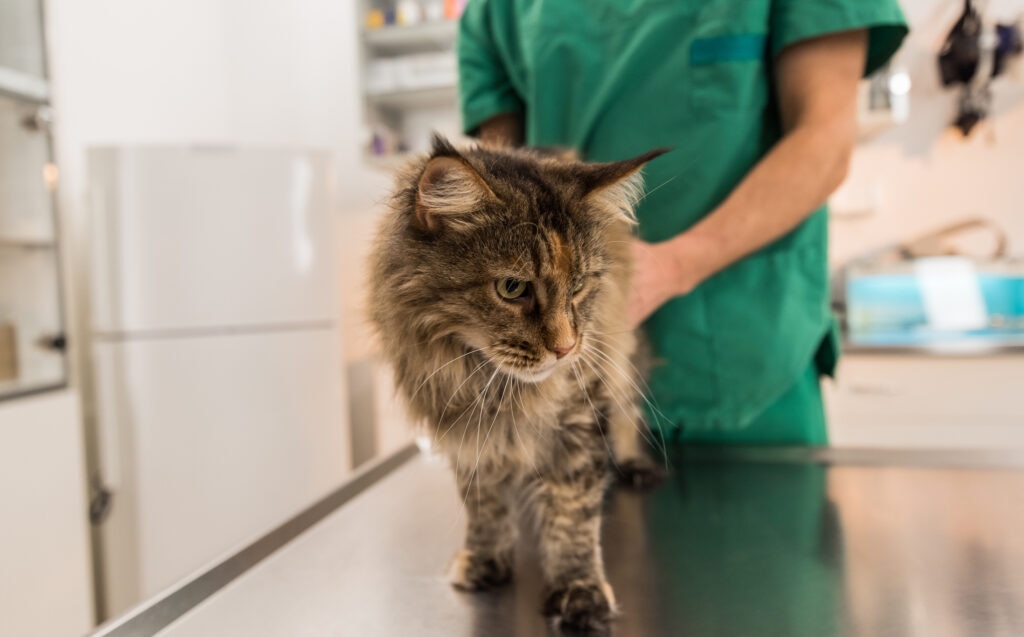
Tashi-Delek/E+ via Getty Images
Is your senior cat losing weight and vomiting?
Perhaps they’re a little more irritable and really starting to look their age.
They may not just be “getting older.” It’s possible that they’re suffering from a common disease in cats, called hyperthyroidism. With treatment, you may be able to help them have a longer, healthier life.
Key Takeaways
- Hyperthyroidism is the most common hormonal disorder in older cats, typically caused by a benign thyroid tumor that leads to an overactive metabolism.
- Symptoms include weight loss, increased appetite, hyperactivity, and vomiting—early diagnosis is critical to avoid complications like heart disease.
- Treatment options include radioiodine therapy, daily medication, special diets, or surgery, each requiring ongoing vet monitoring for effectiveness and side effects.
What Is Hyperthyroidism in Cats?
Hyperthyroidism in cats is a disease that’s usually caused by a benign tumor within the thyroid gland.
This tumor causes an overproduction of the thyroid hormone called thyroxine. One of the primary functions of this thyroid hormone is to regulate an animal’s metabolism.
Cats with too much thyroid hormone have a greatly increased metabolic rate, which leads them to lose weight despite having a ravenous appetite.
These excessive hormone levels push a cat’s body into constant overdrive, which frequently leads to high blood pressure and a type of heart disease called hypertrophic cardiomyopathy.
Let’s look at everything you should know about hyperthyroidism in cats, so you can spot the signs and get your cat on a treatment plan as soon as possible.
How Common Is Hyperthyroidism in Cats?
There is no known genetic predisposition for hyperthyroidism in cats, but it’s quite common.
In fact, hyperthyroidism is the most common hormonal (endocrine) disease in the cat population, often seen in late middle-aged and older cats.
The average age of diagnosis is approximately 13 years. The possible age range is 4–20 years, although seeing young hyperthyroid cats is very rare.
Health Tools
Get quick answers with our vet-created Symptom Checker
Cat Hyperthyroidism Symptoms
Here are the major symptoms of hyperthyroidism that you should look for in your cat:
-
Weight loss
-
Increased appetite
-
Unkempt appearance
-
Heart murmur; rapid heart rate; an abnormal heartbeat known as a “gallop rhythm”
-
Hyperactivity/restlessness
-
Enlarged thyroid gland, which feels like a lump on the neck
-
Thickened nails
What Causes Hyperthyroidism in Cats?
There are several potential causes of hyperthyroidism in cats, such as:
-
Benign adenoma, a non-cancerous tumor on the thyroid gland that doesn’t spread. This is the most common cause of hyperthyroidism in cats and accounts for over 95% of hyperthyroidism cases.
-
Thyroid cancer, like adenocarcinoma.
-
Chronic exposure to thyroid-disrupter chemicals in the environment, like BPAs and PBDEs. These chemicals may be found in the plastic lining of food tins or in the fish-flavoring used by some cat food companies. Additionally, these chemicals are used in flame-retardants found in some furniture and carpeting. They circulate in household dust that cats groom off themselves.
-
Diets that are too rich or deficient in iodine, selenium or soy isoflavones (a soy protein source) may contribute to the development of hyperthyroidism over time.
-
Long term exposure to water sources contaminated with organic chemicals, herbicides or pesticides.
Diagnosing Hyperthyroidism in Cats
To diagnose hyperthyroidism in cats, vets will look for high levels of thyroid hormone in the bloodstream (total T4 or TT4) in addition to other symptoms.
In some cases, however, your cat’s T4 levels may be in the normal range, making a diagnosis of hyperthyroidism more difficult. This is especially true in the early stages of the disease.
If your cat is showing the symptoms of hyperthyroidism but the blood tests are not conclusive, you will need to return to your veterinarian for further blood tests or for a referral for a thyroid scan.
The signs of feline hyperthyroidism can also overlap with those of:
-
Cancer (especially intestinal lymphoma)
These diseases can be excluded based on routine laboratory findings and thyroid function tests. Your veterinarian will perform several tests to get a reliable diagnosis.
Kidney disease is commonly diagnosed along with hyperthyroidism in cats.
Cats suffering from both diseases may need treatment for both, and the diagnosis of kidney disease in a cat with hyperthyroidism can affect the cat’s prognosis.
Hyperthyroidism in Cats Treatment
To treat hyperthyroidism in cats, a vet may recommend radioiodine treatment, which can cure the hyperthyroidism in most cases.
Daily medication—like methimazole—or feeding a prescription low-iodine diet, like Hills Thyroid Care y/d, are good options when radioiodine therapy is not an option due to financial considerations or the cat’s overall health.
Methimazole can be administered to cats orally, as a pill or liquid, or even be applied to their ear flap using a transdermal gel.
Surgical removal of the diseased thyroid gland is another potential treatment.
Like radioiodine treatment, surgical treatment is curative. However, cats also must be monitored afterward for hypothyroidism.
Once treatment has begun, your vet will need to reexamine your cat every two to three weeks for the initial three months of treatment, for blood work to check their thyroid levels and to ensure their kidneys are tolerating the medication OK.
Treatment will be adjusted based on the results, such as changing methimazole dosage to maintain thyroid hormone levels in the low-normal range.
If your cat has had surgery, particularly removal of the thyroid gland, your veterinarian will want to closely observe your cat's physical recovery.
Blood work and follow up exams are an important part of the post-operative period and are repeated for several months afterwards.
Hyperthyroidism is a common disease affecting senior cats. With routine senior blood work, you can catch it quickly and initiate treatment. Treated cats can live long, happy lives.
Hyperthyroidism in Cats FAQs
What's the prognosis for cats with hyperthyroidism?
The prognosis is good for cats treated for hyperthyroidism. Most can return to a healthy lifestyle.
How much does it cost to treat hyperthyroidism in cats?
Costs of treatment range dramatically depending on which option you select.
Radioactive iodine is considered curative for many cats but usually runs several thousand dollars. Methimazole pills cost less than $20 per month but require daily medication.
Talk to your vet to explore which option is best for your cat, your budget, and your lifestyle.
Can hyperthyroidism in cats be prevented?
Hyperthyroidism is usually caused by a non-cancerous tumor, so this isn’t something you can truly prevent.
As there may be some environmental factors that play a role, there are several things you can alter in your cat’s lifestyle to reduce their risk, like:
-
Avoiding plastics.
-
Using foil pouches rather than plastic-lined tins.
-
Minimizing how often you offer fish-flavored canned cat food.
-
When heating or feeding food, always use glass or ceramic bowls.
-
Filter all your cats drinking water and reduce their exposure to pesticides.
-
Avoid diets rich in soy and deficient in selenium.
Hyperthyroidism is likely a multifactorial disease, meaning there are lots of little things that can build up and increase their risk for developing the tumor.


