Pyrantel Pamoate for Dogs and Cats

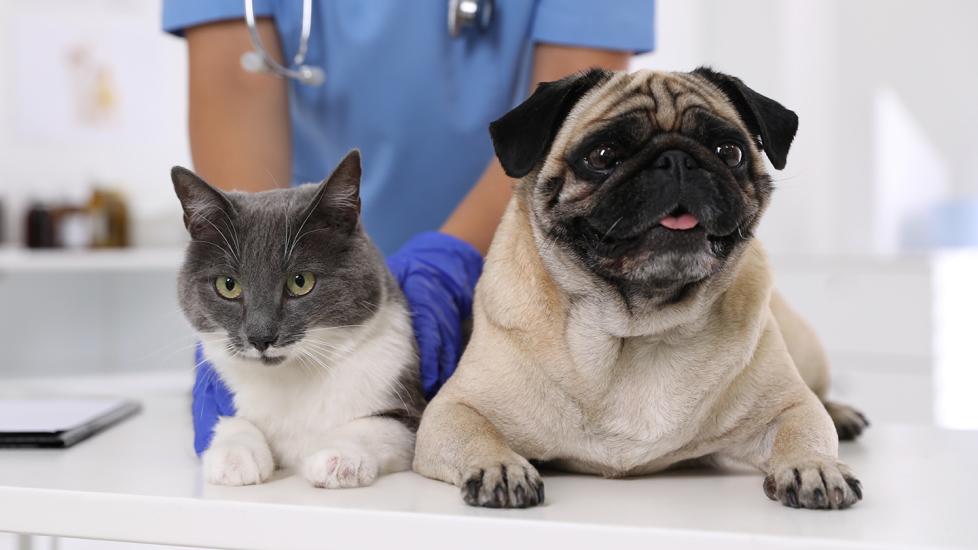
Liudmila Chernetska/iStock/Getty Images Plus via Getty Images
PetMD’s medications content was written and reviewed by veterinary professionals to answer your most common questions about how medications function, their side effects, and what species they are prescribed for. This content shouldn’t take the place of advice by your vet.
What is Pyrantel Pamoate Used for in Dogs and Cats?
Pyrantel pamoate is a common parasiticide used to treat intestinal parasites in dogs and cats.
This medication is FDA-approved for dogs by itself in oral tablet and oral suspension formulations (Nemex®) and helps to deworm pets against a few common parasites such as large roundworms and hookworms.
Manufacturers also combine pyrantel pamoate with other types of antiparasitic medications that target a larger variety of internal parasites, such as in Drontal® Plus in dogs.
Pyrantel pamoate is a component of several popular heartworm/intestinal parasite preventative medications for dogs, including Heartgard® Plus, Tri-Heart® Plus, Simparica Trio™, and NexGard® Plus. Dogs can safely receive pyrantel pamoate monthly.
Pyrantel pamoate by itself is not FDA-approved in cats. It is, however, sometimes used as a sole antiparasitic medication for cats and kittens, and veterinarians can legally prescribe certain drugs in animals in certain circumstances. This is called extra-label or off-label use because this use isn’t described on the drug label.
Pyrantel pamoate, when combined with other medications, is FDA-approved for use in cats and can be found in combination products along with other deworming medications.
For example, Drontal®, which is FDA-approved for use in cats and kittens, contains pyrantel pamoate and praziquantel. Your veterinarian will determine whether this medication is right for your pet.
How Pyrantel Pamoate Works in Dogs and Cats
Pyrantel pamoate treats large roundworms (Toxocara spp and Toxascaris spp) and hookworms (Ancylostoma spp and Uncinaria stenocephala) in dogs and cats.
The medication works by paralyzing worms, which are then expelled from the body in feces.
Pyrantel only treats parasites found in the gastrointestinal tract because it does not absorb well into the bloodstream.
Because these worms can be large enough to see without a microscope, you may see them in your pet’s feces after treatment.
Pyrantel Pamoate for Pets Considerations
Consult with your veterinarian to see if pyrantel is appropriate for your pet.
Because pyrantel does not eliminate all types of worms or parasites, your veterinarian may perform a fecal test before treatment to pinpoint the type of parasite your pet has.
A follow-up fecal test may also be necessary two to four weeks after treatment to confirm that the worms are gone.
Talk to your veterinarian about a deworming schedule that is appropriate for your pet, as dosing schedules vary for puppies and kittens, nursing dogs and cats, and adult dogs and cats. A single treatment can be effective, but it may need to be repeated as part of a deworming program.
Consult your veterinarian for assistance in diagnosing, treating, and controlling intestinal worms and other parasites.
Pyrantel Pamoate for Dogs and Cats Directions
-
Follow the directions on the drug label or as provided by your veterinarian.
-
Because liquid suspensions can separate, shake well before use.
-
Most dogs and cats like the taste of pyrantel and usually take the medication willingly. If not, the medication can be hidden in a small amount of food.
-
Several pyrantel pamoate products are available. The amount of pyrantel varies among the products. Follow the directions on the drug label or as provided by your veterinarian.
-
Pyrantel pamoate and other types of pyrantel (such as pyrantel tartrate) are available for use in horses and other species. Because these products contain much larger amounts of pyrantel pamoate, they should not be used in dogs or cats.
Missed a Dose?
If you forget a dose, your veterinarian may recommend that you give pyrantel pamoate when you remember and resume your normal dosing schedule.
Do not give extra or double doses.
Follow-up testing for the presence of worms may need to be rescheduled.
Consult with your veterinarian to determine the appropriate timing for these tests.
Possible Side Effects of Pyrantel Pamoate in Dogs and Cats
Pyrantel pamoate is considered a safe medication. Side effects are rare when given at doses recommended on the label. If seen, the following side effects may be due to the removal of the worms:
-
Vomiting
-
Diarrhea
-
Decreased appetite
-
Temporary wobbliness/loss of balance (in cats, specifically)
Human Side Effects
Pyrantel pamoate is also a medication for humans, frequently with dosages different from those prescribed for your pet by a veterinarian.
Due to possible side effects, pets should not be given any medicine prescribed for humans.
If you accidentally ingest this medication, please call your physician or the national Poison Control Center hotline at 800-222-1222.
Monitoring Your Pet
No specific monitoring is required for this medication, but your veterinarian may recommend routine testing depending on your pet's individual needs, other medications they may be on, and/or the issue that initially caused your pet to be placed on this medication.
When To Call Your Vet
Call your veterinarian if any of the following apply:
-
Severe side effects are seen (see above)
-
Your pet’s condition worsens or does not improve with treatment
-
You see or suspect an overdose
-
You have additional questions or concerns about the use of pyrantel pamoate
Pyrantel Pamoate Overdose in Dogs and Cats Information
Pyrantel is typically well-tolerated in dogs and has a wide margin of safety, as no drug-induced toxic effects were noted in safety studies.
In cats, pyrantel is also very well-tolerated, but an overdose of pyrantel pamoate in cats may cause vomiting, salivation, decreased appetite, or loose stools.
If you suspect an overdose, immediately contact your veterinarian or an animal poison control center. Consultation fees often apply.
-
Pet Poison Helpline® 855-764-7661
-
ASPCA® Animal Poison Control 888-426-4435
How To Store Pyrantel Pamoate for Dogs
Follow these tips when storing your pet’s pyrantel pamoate:
-
Always confirm storage requirements by reading the label.
-
Store at controlled temperatures between 59–86 F (15–30 C).
-
Keep the container tightly closed to protect from moisture and light.
-
Keep out of reach of children and pets.
Pyrantel Pamoate for Dogs and Cats FAQs
How much pyrantel do I give my dog?
With any medication, the safest way to know the proper dose for your dog is to ask your veterinarian and follow the directions on the drug label.
Your veterinarian will recommend the appropriate dose for your dog depending on their age, weight, and the type of parasite or parasites being treated.
Can I put pyrantel pamoate in my dog’s food?
Most dogs like the taste of pyrantel oral suspension, flavored tablets, or flavored chews and usually take the medication willingly by itself.
If not, the medication can be hidden in a small amount of food or soft treat such as Pill Pockets™.
How often should pyrantel be given?
A single treatment of pyrantel can be effective for intestinal parasites, but it may need to be repeated as part of a deworming program tailored to your pet, depending on their age, weight, type of parasite diagnosed, suspected load of parasites (such as a heavy infestation), and results of follow-up fecal tests.
Ask your veterinarian how often you should administer your pet’s dose of pyrantel.
No vet writer or qualified reviewer has received any compensation from the manufacturer of the medication as part of creating this article. All content in this article is sourced from public sources or the manufacturer.


