Epiphysitis in Horses

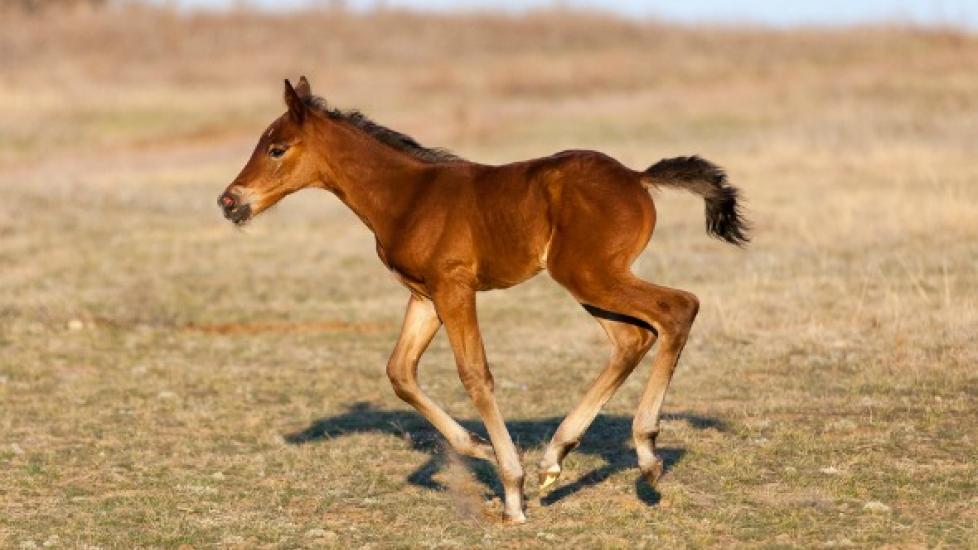
Epiphysitis in Horses
Epiphysitis, also known as physitis, is a generalized bone disease of young, growing horses that is characterized by the enlargement of the growth plates in long bones such as the tibia, radius, and cannon bones. It is most commonly seen in horses four to eight months of age, when they are undergoing rapid growth, but can be seen in slightly older foals as well, even up to two years old. While the exact cause of this condition is unknown, fast-growing overweight young horses that are fed high calorie diets are at highest risk.
Symptoms and Types
Epiphysitis causes an enlargement of the physes (growth plates) at the end of long bones such as the radius, cannon bone, and tibia. This swelling makes the ends of the bones appear as an hourglass. Other symptoms of epiphysitis include:
- Joint pain
- Joint swelling
- Inability to stand (when severely affected)
Causes
The exact cause of epiphysitis in horses is unknown; however, foals with excessive musculature on a high plane of nutrition are at higher risk. The cause is likely multifactorial and not the same for every case. In this condition, there is a problem with the cartilage at the growth plate and it is incapable of undergoing the normal transformation into bone, a process called ossification. This problem results in inflammation around the affected joint.
Diagnosis
Clinical signs in conjunction with radiographic findings of the affected joints will lead to a diagnosis of epiphysitis in a growing horse.
Treatment
Evaluating the diet of the foal is one of the first steps in treating this epiphysitis. Generally, the amount of energy and protein should be decreased and the animal put on a diet to lose weight and slow growth. Non-steroidal anti-inflammatory medications (NSAIDs) are usually given to help with the pain and inflammation. Additionally, the foal should be limited in its exercise (kept in confinement) until the inflamed joints heal. Mild cases of epiphysitis normally resolve without lasting damage to the foal’s joints, however, severe cases may limit future athletic careers.
Prevention
Proper nutrition and a well-balanced diet recommended by your veterinarian can help prevent epiphysitis in your young foals.