Hypertrophic Osteodystrophy in Dogs (HOD in Dogs)



What Is Hypertrophic Osteodystrophy in Dogs?
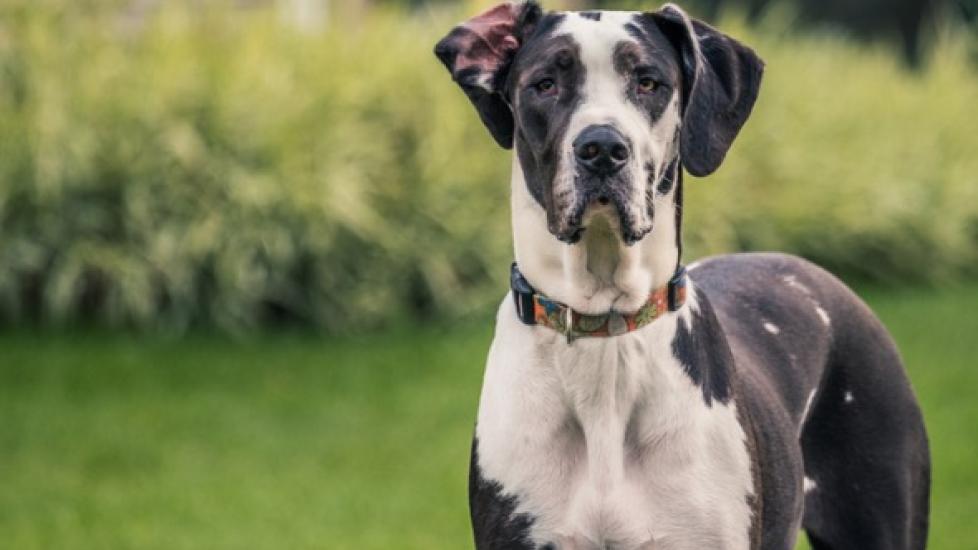
Hypertrophic osteodystrophy (HOD) is an orthopedic developmental disorder that can cause limping, pain, and swelling of a dog’s joints. It can be seen in rapidly growing large breed and giant breed dogs, such as Great Danes, Weimaraners, Labrador Retrievers, and Standard Poodles.
Vets can diagnose HOD in dogs as early as a few months old, and it occurs most frequently in dogs less than 1 year old. Male puppies appear to have a greater likelihood of being affected than female puppies.
HOD in dogs most commonly affects long bones, such as the radius, ulna, and tibia in your dog’s legs. However, it can also occur on bones that make up your pet’s jaw, ribs, or vertebrae, among other locations.
There is a portion of these long bones called the metaphysis that includes something called the growth plate. Growth plates are areas of actively growing cartilage that later hardens into bone during maturity. HOD is seen in young dogs because it affects the metaphysis, which is a rapidly changing area in youth due to the growth plate.
If your dog has HOD, there will be an issue with the blood flow to the metaphysis region of the bone. The change in blood flow means the bone can’t harden properly. When new bone continues to grow without properly hardening first, it causes inflammation and symptoms of HOD in dogs.
Symptoms of Hypertrophic Osteodystrophy in Dogs
The most common sign of hypertrophic osteodystrophy in dogs is a persistent limping—most often in the front legs. Your puppy may pull away or yelp in pain when you touch their legs, and their legs may feel warm. You may also notice leg swelling, particularly near the joints.
Some dogs exhibit diarrhea for a short time before the limping. Your puppy may also feel generally unwell, which will show up as a fever, reduced appetite, or fatigue. They may not want to go for walks or play, and puppies in extreme pain may even be reluctant to stand up.
HOD can come and go until the growth plates have fully matured. With that being said, the disorder sometimes clears up after only one episode. Although HOD is most common in the long bones of a dog’s front legs, keep in mind that it can occur in other bones as well.
Causes of Hypertrophic Osteodystrophy in Dogs
Hypertrophic osteodystrophy is a developmental disorder, and the exact cause remains unknown at this time. It has been hypothesized that there may be a genetic component causing HOD in dogs.
Another contributing factor can be eating an unbalanced diet for a growing, large breed puppy. Make sure your large breed puppy has an appropriate puppy diet that offers the right nutrients for large breeds. Ask your vet for a recommendation or ask them about any dog food formulas you are considering.
Dog Breeds That Are Prone to Hypertrophic Osteodystrophy
Large breed and giant breed dogs are prone to HOD. These include but are not limited to the following:
How Vets Diagnose HOD in Dogs
X-rays are very important in diagnosing hypertrophic osteodystrophy in dogs. Your vet may suspect HOD based on your puppy’s breed, age, physical exam results, and symptoms, but an x-ray is necessary to make a definitive diagnosis.
Your puppy may also undergo additional tests, like bloodwork or urinalysis, as there can be other conditions that need to be treated alongside the pain, such as diarrhea, anorexia, or pneumonia.
Treatment for Hypertrophic Osteodystrophy in Dogs
Treatment for hypertrophic osteodystrophy includes managing your dog’s symptoms and relieving their pain. HOD is a very painful condition, which is why it is super important to seek medical care for your puppy.
Your vet will most likely prescribe a (dog-safe) nonsteroidal anti-inflammatory drug (NSAID) for pain control and give you instructions for exercise restriction.
Your vet will review your dog’s diet, and if they are not on a balanced diet intended for growing large breed and giant breed puppies, they will likely be switched to one. Your vet may also advise removing supplements from your dog’s diet.
If your dog needs additional treatment, steroids may be prescribed during an episode of HOD. If your vet prescribes your puppy a steroid, it is especially important to follow dosing and tapering instructions to prevent further problems.
Some puppies can develop diarrhea, fevers, and pneumonia, which all require further treatment specific to those conditions. If your dog is not getting up and lies in the same spot all day, you will need to regularly turn them to prevent bedsores as well.
Severe cases of HOD in dogs may require more intensive management, potentially including a hospital stay for IV fluid therapy, nutritional management (sometimes, a feeding tube is necessary), and stronger pain management than you can give your dog at home.
The most severe cases can result in euthanasia if it is the only humane option when your dog’s pain cannot be managed and their quality of life deteriorates.
Recovery and Management of HOD in Dogs
It is important to understand that HOD symptoms can only be managed; there is no cure for HOD in dogs.
Most dogs with mild to moderate HOD will recover and go on to lead a normal life. Untreated or severe cases may result in limb deformities, which can cause long-term effects on your dog’s posture and their ability to walk, run, and play.
After treatment, your dog may feel better in as little as 7-10 days, but keep in mind that the signs may reoccur. For puppies that experience additional episodes of HOD while they are growing, institute pain management as needed each time.
HOD in Dogs FAQs
How long does hypertrophic osteodystrophy in dogs last?
The clinical signs associated with HOD in dogs can resolve in as little as one week with appropriate treatment. However, there is a chance of relapse until your dog’s long bones have finished growing. HOD in dogs cannot be cured, but it can be managed.
Is hypertrophic osteodystrophy in dogs hereditary?
There is a suspected genetic component to HOD in Weimaraners, but the research is ongoing in this breed as well as other large breed and giant breed dogs. Until further research is completed, we cannot know for sure whether HOD in dogs is truly hereditary.