Mouth Inflammation and Ulcers (Chronic) in Dogs

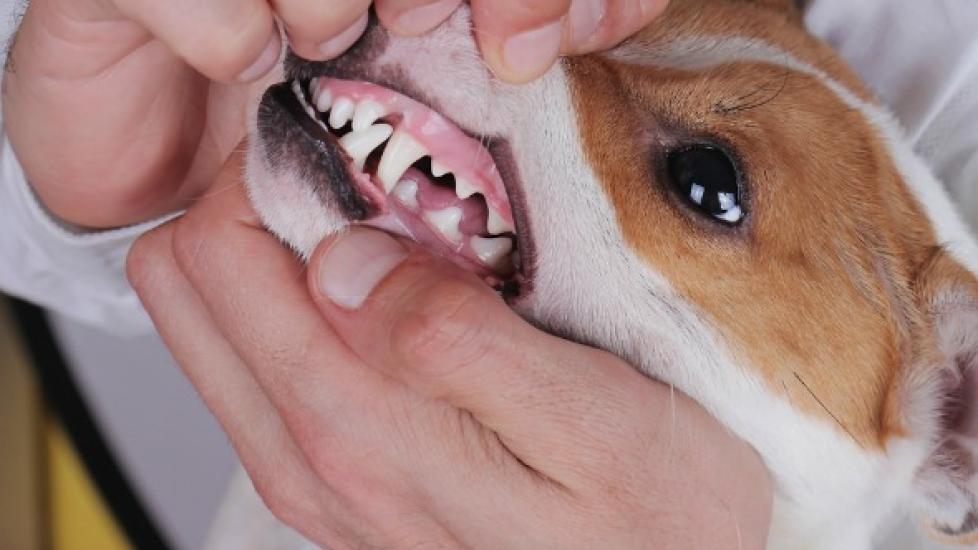
Oral Ulceration and Chronic Ulcerative Paradental Stomatitis in Dogs
Oral ulceration and chronic ulcerative paradental stomatitis (CUPS) is a disease of the mouth which causes painful ulcers on the gums and mucosal lining of the mouth cavity. The cause of this condition has been determined to be a hypersensitive immune response to bacteria and plaque on the tooth surfaces, and sometimes signs of CUPS will start subsequent to a dental cleaning, when these materials are loosened in the mouth.
While it appears that manipulation and antigenic stimulation (substances that stimulate the production of antibodies in the body) in the oral cavity may trigger stomatitis, it is also believed that such animals would probably have eventually developed the disease anyway. In some cases, the only resolution is to remove all of the teeth, so that the bacteria that is normally found on the surface of the teeth is no longer present in the mouth at all.
Certain breeds of dogs appear to be at higher risk for developing this disease. Maltese, cavalier king charles spaniels, cocker spaniels and Bouvier des Flandres have been found to have a higher incidence. One of the complications of CUPS is idiopathic osteomyelitis, inflammation of the bone and marrow, which cocker spaniels have been found to be predisposed to.
Symptoms and Types
- Bad breath (halitosis)
- Swollen gums (gingivitis)
- Faucitis (inflammation of the cavity at the back of the mouth – the fauces)
- Pharyngitis (inflammation of the back of the mouth, continuous into the larynx – the pharynx)
- Buccitis/buccal mucosal ulceration (tissue of the inner cheeks)
- Thick, ropey saliva (ptyalism)
- Pain
- Loss of appetite (anorexia)
- Mucosal ulceration on the gums that meet the lips – also called "kissing ulcers"
- Plaque on teeth
- Exposed, necrotic bone (alveolar osteitis and idiopathic osteomyelitis)
- Scar formation on lateral margins of the tongue from prolonged inflammation and ulceration
Causes
Metabolic
- Diabetes mellitus
- Hypoparathyroidism
- Hypothyroidism
- Uremia caused by renal disease
Nutritional
- Protein-calorie malnutrition
- Riboflavin deficiency
Neoplastic
- Malignant melanoma
- Squamous cell carcinoma
- Fibrosarcoma
Immune-mediated
- Pemphigus vulgaris
- Bullous pemphigoid
- Systemic lupus erythematosus
- Discoid lupus erythematosus
- Drug-induced―toxic epidermal necrolysis
- Immune mediated vasculitis
Infectious
Traumatic
- Foreign body
- Bone or wood fragments in mouth
- Electric cord shock
- Malocclusion of teeth
Chemical/Toxic
- Acids
- Thallium
Idiopathic
- Eosinophilic granuloma - Siberian huskies, samoyeds
- CUPS
- Osteomyelitis
Diagnosis
You will need to give a thorough history of your dog's health, onset of symptoms, and possible incidents that might have precipitated/preceded this condition, such as chewing on cords or other inappropriate objects, recent illnesses, and the usual dental care that is provided. Your veterinarian will exam your dog's oral cavity carefully to determine the extent of the inflammation, or whether any of the teeth are obviously in need of care. Standard tests will include a chemical blood profile, a complete blood count, a urinalysis and an electrolyte panel in order to detect an underlying disease. Diagnostic imaging is also standard in diagnosing dental conditions. X-rays will be taken to determine bone involvement and judge the extent of idiopathic osteomyelitis.
Often chronic antigenic stimulation (from a chronic disease condition) will predispose an animal to development of oral ulceration and stomatitis. (Antigens are substances that stimulate the production of antibodies in the body.)
Treatment
Underlying diseases will be treated as necessary. Often, dogs that have not been able to eat normally for some time will need nutritional therapy to make up for it. A soft diet with fluid therapy and/or a feeding tube will be put in place immediately if your dog is anorexic, and your veterinarian may also recommend vitamin supplements.
Pets with idiopathic osteomyelitis should have the necrotic bone removed. The gingival flap should be closed and broad-spectrum antibiotics will be prescribed to protect the dog from infection.
Antimicrobials can be used to treat primary and secondary bacterial infections, and may be used intermittently between cleanings for therapeutic assistance, but chronic, or long term use could lead to antibiotic resistance. Anti-inflammatory/immunosuppressive drugs can be used to treat the inflammation, and can make your dog more comfortable in the short term, but there are potential long-term side effects of corticosteroid usage, so your doctor will consider this when deciding on which pain therapy to prescribe. Topical therapy, such as chlorhexidine solution or antibacterial gel may also be used directly on the gums and in the mouth, and your veterinarian may also be able to prescribe a topical pain medication that can be placed on the gums and mouth to lessen the pain.
Living and Management
Dogs with LPS and CUPS should receive dental prophylaxis (preventive treatment) twice a day, or as often as is possible at home to prevent plaque accumulation. Topical antimicrobials may also be applied to your dog's tooth and gingival surfaces. Patients should have their teeth cleaned when diagnosed and they should be frequently scheduled for veterinary dentals (during which they will receive periodontal therapy and extraction of diseased teeth).


