Lymph Node Inflammation, Intestinal Tract (Lymphangieasia) in Dogs

Lymphangiectasia in Dogs
The lymphatic vessels are vascular channels (similar to veins) that transport lymph, a clear to slightly colored fluid that contains white-blood cells. This fluid circulates through the lymphatic vessels, removing bacteria and other materials from body tissues. It also serves to transport fat from the small intestines, eventually emptying into the blood, returning tissue fluids into the general body circulation.
Lymphangiectasia is the dilation (expansion) of the lymphatic vessels in the gastrointestinal tract, which includes the stomach, small intestines, and large intestines. Lymphangiectasia is an obstructive disorder of the lymphatic system of the gastrointestinal tract, resulting in the loss of body proteins through the intestines.
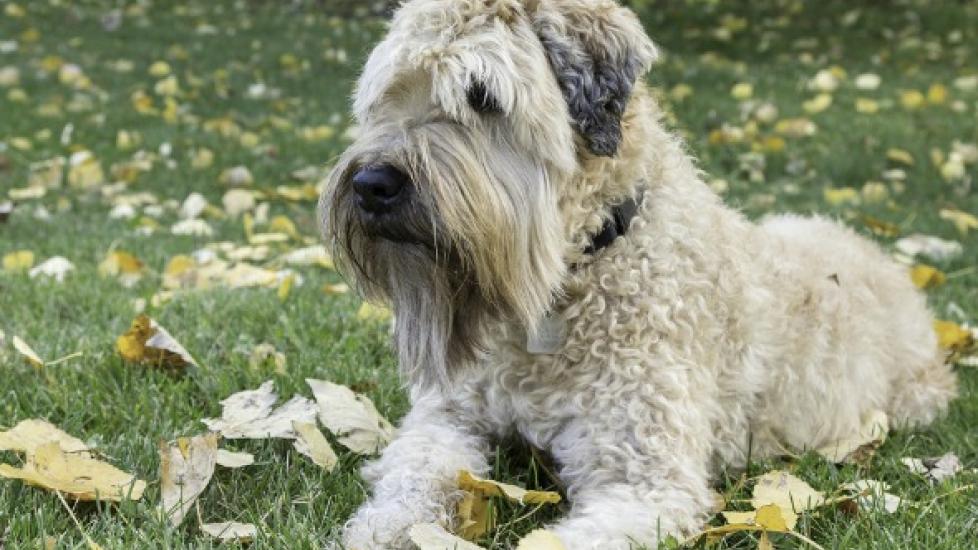
A familial tendency for this condition has been reported for soft-coated wheaten terriers, basenjis, Norwegian lundehunds, and Yorkshire terriers. Dogs of any age can be affected, but it is most common in middle-aged dogs. No age or gender has been reported to be more likely to develop in any breed, with the exception of soft-coated wheaten terriers, which have shown an increased likelihood of lymphangiectasia in females as compared to males.
Symptoms and Types
- Vomiting
- Weight loss
- Buildup of fluid in the abdomen and under the skin
- Excessive gas in the stomach or intestines
- Difficulty breathing (dyspnea) from build-up of fluid in the space between the chest wall and the lungs (pleural effusion)
- Chronic (long-term) diarrhea - may be intermittent or continuous, watery to semisolid consistency
Causes
Primary or congenital lymphangiectasia
- Localized - intestinal lymphatic vessels only
- Swelling due to the accumulation of lymph caused by blockage of the lymphatic vessels and/or lymph nodes
- Diffuse lymphatic abnormalities, such as an accumulation of milky fluid in the space between the chest wall and lungs
- Accumulation of milky fluid in the abdomen
- Blockage of the thoracic duct, through which the lymph is emptied into the general circulation
Secondary lymphangiectasia
- Right-sided congestive heart failure, a condition in which the heart cannot pump an adequate volume of blood to meet the body's needs
- Inflammation of the sac around the heart (pericarditis), characterized by thickening of the sac
- Budd-Chiari syndrome - a condition in which blood flow is blocked in the veins of the liver
- Cancer (lymphosarcoma)
Diagnosis
The major clinical symptom of lymphangiectasia is the loss of protein. However, there are several diseased conditions that can also account for that, so your veterinarian will need to rule them out before arriving at a diagnosis of lymphangiectasia.
A complete blood profile will be conducted, including a chemical blood profile, a complete blood count, and a urinalysis. Because this is a disease of the intestines, a fecal smear and flotation will be done to rule out intestinal parasites. A culture of the fecal smear will also help your doctor to determine if there are infectious agents present, if that is suspected that as a cause. X-rays of the chest and abdomen can be used to rule out cardiac disease and cancer, and abdominal ultrasound may be used to rule out congestive heart failure.
If necessary, your veterinarian may also conduct an endoscopy. This method uses a tubular device that is equipped with a small camera for viewing the internal structures of the body, and a tool that is capable of collecting tissue and fluid samples for biopsy. Your veterinarian can use the endoscope in this instance to examine the gastrointestinal tract and to take a sample of mucus. Another possible diagnostic tool, if your doctor needs more information about the functioning of the heart, will be an electrocardiogram (ECG, or EKG) recording, which can be used to examine the electrical currents in the heart muscles, and may reveal any abnormalities in cardiac electrical conduction (which underlies the heart’s ability to contract/beat).
Treatment
Depending on the final diagnosis, your dog will probably be treated as an outpatient. Only if there are complications severe enough to require treatment in a hospital setting will your veterinarian recommend inpatient care. A low-fat diet with high-quality protein will need to be put in place, and your veterinarian may also prescribe supplements to increase fat and calorie intake.
Surgical intervention is rare. However, if there is a lymphatic blockage, your veterinarian may recommend surgery to remove the cause of the blockage. Also, if the sac around the heart is inflamed and thickened, your doctor may recommend surgery to repair the sac.
Prescribed medications may include steroids to reduce inflammation, and antibiotics, to either treat an underlying infection or to prevent an opportunistic infection from taking hold during the course of treatment.
Living and Management
You will need to monitor your dog's body weight, and your veterinarian will set up a schedule to see the dog from time to time to test for protein levels and to observe recurrent clinical signs, such as fluid build-up. The severity of the disease will determine how often you will need to take your dog back for follow-up treatments.
The long-term prognosis for lymphangiectasia is guarded. Some dogs fail to respond to treatment. However, remissions of several months to more than two years can be achieved in some patients, but this can be entirely dependent on any underlying conditions, and the severity of the disease itself.