Canine Coronavirus: Symptoms and Treatment


Istock/GoodLifeStudio
Canine coronavirus is a highly contagious viral disease in dogs. There are two main types in the U.S.: enteric canine coronavirus, which affects the gastrointestinal tract, and respiratory canine coronavirus, which affects the respiratory system.
Canine coronavirus is different from the coronavirus associated with COVID-19 and is not transmissible to humans.
Key Takeaways
- Canine coronavirus is highly contagious between dogs but is not transmissible to humans.
- Enteric canine coronavirus (CECoV) can cause diarrhea, vomiting, decreased appetite, abdominal pain, and lethargy.
- Respiratory canine coronavirus (CRCoV) can cause coughing, sneezing, difficulty breathing, eye or nasal discharge, fever, and lethargy.
- There is no specific treatment for canine coronavirus; treatment focuses on managing symptoms, and many dogs recover on their own.
What Is Canine Coronavirus?
Canine coronavirus is a highly infectious viral disease that affects dogs around the world. Its name comes from the virus appearing to resemble a crown when viewed under a high-powered microscope.
Canine coronavirus is very different from the human novel coronavirus associated with the 2020 COVID-19 pandemic. Canine coronavirus is not transmissible to humans, but it is highly contagious between dogs.
Canine coronavirus often causes mild or hard-to-spot symptoms; however, it can be fatal under certain conditions. Because it is highly contagious, canine coronavirus is common in kenneled dogs but can also occur in healthy dogs that have no symptoms of the virus.
Types of Canine Coronavirus
There are two main types of canine coronavirus in the U.S.: enteric and respiratory.
Enteric Canine Coronavirus
Enteric canine coronavirus spreads through feces and causes damage to the cells lining the gastrointestinal tract. Dogs typically develop signs of gastrointestinal upset, such as vomiting, diarrhea, and lethargy.
Respiratory Canine Coronavirus
Respiratory canine coronavirus spreads through the air and enters the lungs. It is part of a larger respiratory disease complex in dogs and causes coughing, sneezing, and difficulty breathing.
What Are the Symptoms of Canine Coronavirus?
Symptoms of canine coronavirus vary based on the strain.
Canine enteric coronavirus (CECoV) primarily causes gastrointestinal symptoms such as diarrhea, vomiting, and decreased appetite, while canine respiratory coronavirus (CRCoV) causes respiratory symptoms such as coughing, sneezing, and difficulty breathing.
Canine Enteric Coronavirus Symptoms
When a dog has canine enteric coronavirus (CECoV), the virus travels to the intestinal cells and replicates quickly, destroying those cells in the process.
Young, immunocompromised, or stressed dogs, such as those at dog shows or shelters, may have more severe symptoms, including:
- Diarrhea, sometimes bloody
- Vomiting
- Decreased appetite
- Painful abdomen
- Lethargy
- Dehydration
- Fever
- Seizures in severe cases
Canine Respiratory Coronavirus Symptoms
Canine respiratory coronavirus (CRCoV) is part of the complex disease called Canine Infectious Respiratory Disease (CIRD). Healthy dogs can also carry this virus without obvious symptoms.
Dogs typically acquire CRCoV in addition to other bacteria and viruses, including:
- Canine distemper virus
- Canine parainfluenza virus
- Canine adenovirus
- Canine influenza virus
- Canine herpesvirus
- Canine reovirus
- Canine pneumovirus
- Bordetella bronchiseptica bacteria
- Mycoplasma bacterial species
- Streptococcus species
- Zooepidemicus species
Canine respiratory coronavirus is a common cause of quick-onset upper respiratory disease in dogs, especially those in crowded or stressful settings. The virus attacks the cells lining the lungs, causing damage and allowing other opportunistic bacteria to follow.
Symptoms can vary from mild to severe depending on the other bacteria involved. Common symptoms include:
- Coughing
- Sneezing
- Difficulty breathing
- Eye discharge
- Nasal discharge
- Gagging or regurgitation at the end of the cough
- Fever
- Lethargy
- Decreased appetite
How Does Canine Coronavirus Spread?
Canine coronavirus is highly contagious and spreads quickly between dogs. Canine enteric coronavirus spreads through ingestion of infected feces, while canine respiratory coronavirus spreads through respiratory secretions, direct contact between dogs, and contaminated objects.
How Canine Enteric Coronavirus Spreads
Dogs develop canine enteric coronavirus through ingestion of infected feces. The incubation period after exposure is one to three days.
Dogs may shed the virus in their feces for two weeks, whether or not they have symptoms.
How Canine Respiratory Coronavirus Spreads
Canine respiratory coronavirus is transmitted through:
- Respiratory secretions that are aerosolized and inhaled
- Direct contact between dogs
- Contaminated objects that may carry bacteria or viruses, such as blankets, bowls, and toys
How Is Canine Coronavirus Diagnosed?
If your veterinarian suspects canine coronavirus, they will examine your dog and review their health history and current symptoms. Depending on the severity of your dog's symptoms, blood testing and X-rays may also be recommended.
Physical Examination and Health History
Your veterinarian will review your dog's health history and current symptoms. They will also ask about any concerns you have about your dog's health, including changes in behavior and other noticeable symptoms.
Blood Chemistry and Complete Blood Count
Depending on the severity of your dog's symptoms, your veterinarian may recommend a blood chemistry test and complete blood count (CBC) to get an overall picture of your dog's health.
This can help determine whether your dog requires antibiotics or other treatments.
X-Rays
Your veterinarian may take X-rays of your dog's abdomen and chest to rule out other diseases that cause similar symptoms.
How Is Canine Coronavirus Treated?
There is no specific treatment for canine coronavirus. Treatment is based on your dog's health history and current symptoms and focuses on lessening the severity of those symptoms.
Dogs with either canine enteric coronavirus (CECoV) or canine respiratory coronavirus (CRCoV) may not require treatment because many dogs recover on their own.
Depending on the severity of the illness, treatment may be provided on an outpatient basis or require hospitalization.
Outpatient Treatment
Outpatient treatment may include:
- Fluids for hydration
- Oral anti-nausea medications
- Oral anti-diarrheal medications
- Gastrointestinal prescription foods
- Probiotics to re-establish gastrointestinal flora
- Anti-inflammatories and/or cough medicine for coughing in dogs with CRCoV
Hospitalization
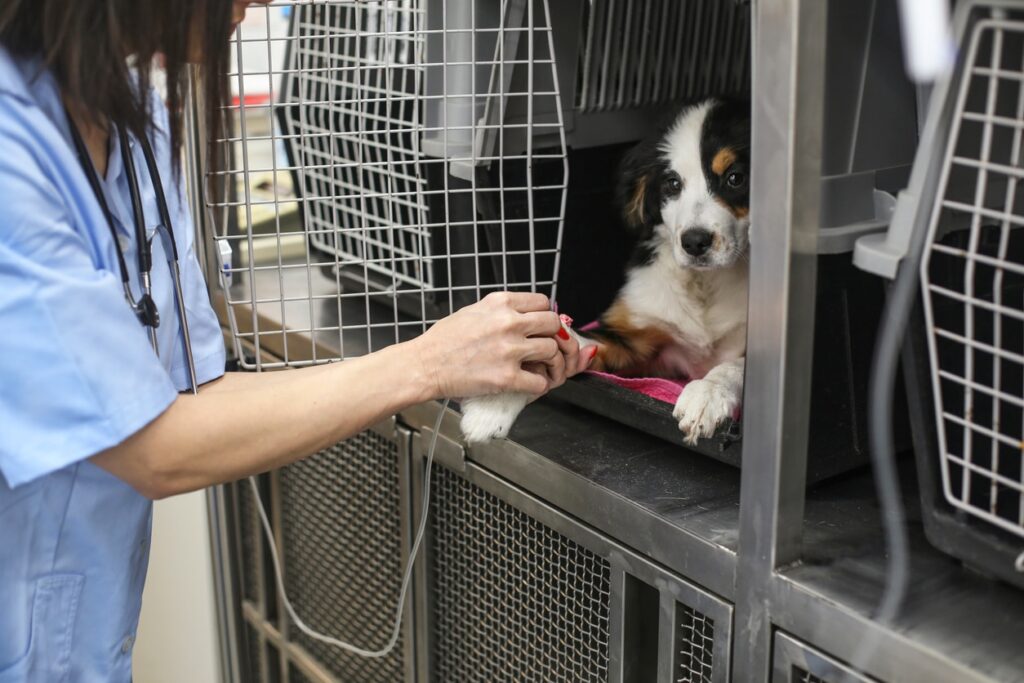
More severe cases may require hospitalization with:
- IV fluids for hydration
- IV antibiotics and/or anti-nausea medications
- Nutritional support, including feeding tubes or total parenteral nutrition
- Appetite stimulants
- Heat support
- Oxygen or use of a nebulizer for dogs with CRCoV
Recovery and Management of Canine Coronavirus
Most dogs with canine coronavirus recover fully within two weeks, whether they have the enteric or respiratory strain. Dogs that have been hospitalized may require one or more follow-up visits with their veterinarian to assess their recovery.
Prognosis for Dogs With Canine Coronavirus
Overall, the prognosis for both the enteric and respiratory forms of canine coronavirus is good, except in severe cases or in young animals.
With early veterinary intervention and supportive care, most dogs recover quickly.
How To Prevent Canine Coronavirus
Cleaning the environment and quarantining symptomatic dogs are important ways to prevent the spread of canine coronavirus to other dogs, especially in shelters or large pack environments.
Cleaning and Quarantine
Common disinfectants such as bleach kill canine coronavirus. It is also important to quarantine symptomatic dogs to prevent either strain of canine coronavirus from spreading to other dogs.
Canine Coronavirus Vaccine
Although there is a vaccine for canine enteric coronavirus, most veterinarians do not recommend administering it because it has not been proven effective at preventing the virus.
There are, however, vaccines for other types of Canine Infectious Respiratory Disease (CIRD) that are considered part of the standard recommended vaccines by the American Animal Hospital Association.
Canine Coronavirus FAQs
Is canine coronavirus the same as COVID-19?
No. Canine coronavirus is very different from the human novel coronavirus associated with the COVID-19 pandemic. Canine coronavirus affects dogs and is not transmissible to humans.
Can humans get canine coronavirus from dogs?
No. Canine coronavirus is not transmissible to humans, but it is highly contagious between dogs.
Is canine coronavirus contagious?
Yes. Canine coronavirus is highly contagious between dogs. Enteric canine coronavirus spreads through ingestion of infected feces, while respiratory canine coronavirus spreads through respiratory secretions, direct contact between dogs, and contaminated objects.
How long does canine coronavirus last in dogs?
Most dogs with either enteric or respiratory canine coronavirus recover fully within two weeks.
Can dogs recover from canine coronavirus without treatment?
Yes. Dogs with either canine enteric coronavirus (CECoV) or canine respiratory coronavirus (CRCoV) may not require treatment because many dogs recover on their own. More severe cases may require outpatient treatment or hospitalization.