Aggression in Dogs



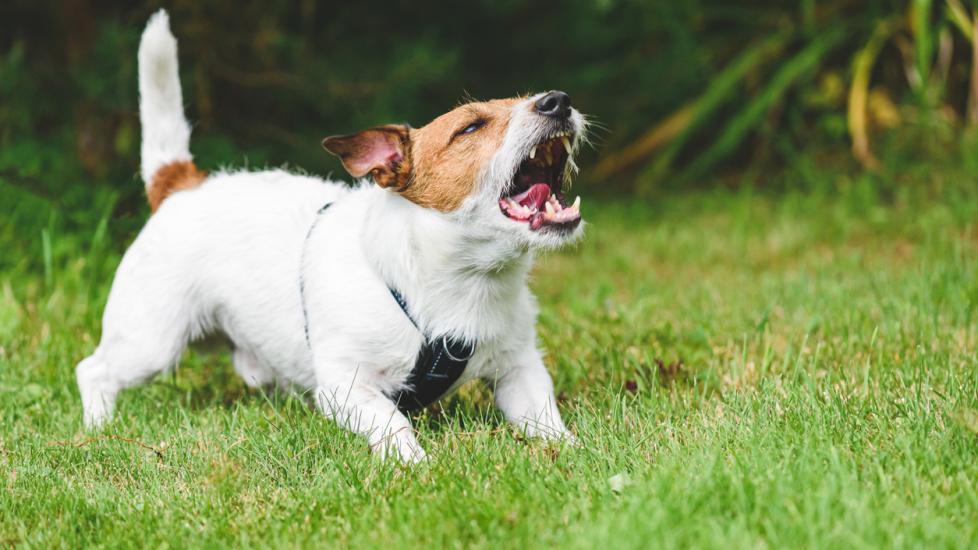
It’s a concept that strikes fear in pet parents: canine aggression. The idea that our best friends can be anything other than delightful, loving companions is a frightening one.
But the reality is that some forms of aggression are normal communication tools in the dog world. Aggression is the innate response to a variety of situations for a number of reasons, from pain to fear to confusion, and it isn’t always an offensive reaction.
Understanding dog aggression in its many forms makes it easier to find the appropriate solution for the behavior. It can also help you be a better advocate for your dog, so you can get them out of harm's way or to a vet if your dog is reacting with fear or pain aggression.
What Are the Signs of Aggression in Dogs?
“Aggression” is a catch-all phrase that encompasses a great deal of canine communication that humans don’t necessarily understand and tend to misinterpret.
It’s easy to assume that frightening behaviors like growling and snapping are the primary examples of canine aggression, but the behavior exists on a spectrum. Some aggressive behaviors are subtle, to the point that many pet parents miss them and don’t recognize the signals that our dogs are giving us until it escalates into more obvious responses.
In other words, what we assume to be typical aggressive reactions are not always a dog’s first response to a stressful or uncomfortable situation. We don’t always see the early, subtle signs of discomfort that dogs exhibit before an escalated response occurs.
Behaviors that can be classified as aggressive responses, including early behaviors intended to preempt a full aggressive display, include:
-
Yawning
-
Freezing
-
Hard staring
-
Lip curling
-
Lip licking
-
Baring teeth
-
Nose bumping a person or another dog (the dog equivalent of a light punch; an “almost bite”)
-
Air snapping
-
Growling
-
Lunging
-
Mouthing with no pressure and quick release
Biting with enough pressure to cause bruising or torn skin
Are Certain Dog Breeds Aggressive by Nature?
The media is filled with stories that might lead you to believe that some breeds are “born bad,” and that aggression is a part of their makeup. But “aggressive” is a loose description of a collection of behaviors—both offensive and defensive—that can’t be applied as a blanket term to specific breeds.
Certain breeds might be perceived as being more aggressive because of their size, physical features (like a big head and barrel chest), and ability to inflict injury (an aggressive Chihuahua probably wouldn’t be able to put you in the hospital), but there’s no such thing as an aggressive nature when it comes to dog breeds.
Behavior is a combination of nature and nurture. The development of aggressive behaviors can be due to a combination of factors, such as:
-
Genetics: A shy, under-socialized, fear-aggressive mother dog might give birth to puppies that are more likely to show the same types of behaviors.
-
Development: A dog raised in a deprived environment might show resource-guarding behaviors around their food bowl.
-
Trauma: A dog might develop reactive behaviors toward feet due to past abuse, such as being kicked.
Because aggression in dogs is a response to a variety of scenarios and reasons, it’s impossible to assign the umbrella term to a breed type.
Types of Dog Aggression
The following are some of the most common types of aggression in dogs:
-
Leash: Dogs being walked on a leash might react to stimuli like other dogs, people, cars, or bikes by barking and lunging.
-
Barrier: Dogs behind fences might bark and lunge at stimuli passing by.
-
Fear: When nervous dogs offer distance-increasing behaviors, like yawning or freezing, but are pushed beyond their comfort zone, they might react with more overt aggressive behaviors like lunging.
-
Pain-based: This aggressive reaction can happen quickly and might involve barking, snapping, or biting in anticipation of or reaction to being touched.
-
Redirected: A dog in a roused state that is unable to react the way they want to (for example, wanting to chase a squirrel that is on the other side of a fence) might instead channel their response toward a nearby person or a canine sibling.
-
Possession: Also known as resource guarding, this happens when a dog is approached when they have something they value, which can range from a food bowl to a piece of garbage.
-
Territorial: This is when dogs react when they think their living space (like a yard, home, or room) is being threatened.
-
Dog-dog: This is when a dog reacts aggressively toward other dogs, from unknown dogs to housemate or sibling dogs.
-
Dog-human: This is when dogs react aggressively toward people. This generalized label can encompass any of the other reactive behaviors on the list. For example, a dog that reacts aggressively to a human might be doing so out of fear, pain, or redirection.
Why Is My Dog Suddenly Aggressive?
A sudden change in dog behavior warrants a trip to the veterinarian, as pain could be a factor. Similarly, a lifestyle shift, such as having unfamiliar people in the house, construction nearby, or schedule changes, might push a dog to suddenly react with aggression.
However, calling a reaction “sudden” aggression might not be taking more subtle warning signals into account. We often don’t pick up on early indicators of canine stress and discomfort, forcing dogs to escalate to more obvious behaviors to make their intention clear.
A dog might have been exhibiting low-level resource guarding behaviors, such as eating their food faster than normal, and that may have gone unnoticed until the dog felt as though there was no other option than to lunge and bark.
How to Calm an Aggressive Dog
The most important point to remember when dealing with an aggressive dog is not to meet the behavior with more aggression—or punishment.
Aggression is a communicative response, and while we might not like the method of communication, we need to understand what dogs are saying in order to address the reason behind the aggression. Punishing a dog with collar corrections, yelling, or worse, physical discipline, might stop a dog’s reaction in the moment, but it won’t change the emotional drive behind the behavior.
An unintended side effect of punishing reactivity is removing a dog’s ability to effectively communicate. If you yell at your dog for growling when people get near their food bowl, you might teach them to skip that warning growl. So now if your dog is pushed to their limit, they might instead resort to a bigger and more dangerous reaction, like a snap or bite, in an attempt to keep people away.
Calming an aggressive dog requires you to get a full picture of the behavior, including:
-
Frequency/predictability: For example, does your dog guard their bowl at every meal, or just at dinnertime when they get a special topper?
-
Duration: Does your dog continue to guard the bowl for hours after they’re finished eating?
-
Targets: Does your dog guard the object from everyone in the household, or just certain people?
How To Stop Dog Aggression
Preventing dog aggression requires thorough dog-centric socialization and training in early puppyhood and ongoing training throughout a dog’s life. But some aggression in dogs, like redirected aggression, can develop even though careful attention has been paid to all of these things.
The best plan is to seek the help of a qualified, science-backed positive reinforcement trainer who can guide you through a behavioral modification plan. There are many ways to deal with dog aggression based on the situation, triggers, and your specific dog.
A trainer may teach you to use management techniques, like putting your dog in a quiet room if certain kinds of guests make them nervous, instead of allowing them to mingle and feel stressed. Or they may recommend training protocols like desensitization and counterconditioning. Certain forms of aggression might require a veterinary workup and anti-anxiety medication to help treat them.
It’s easy to assume that dogs always use aggression to threaten and intimidate, but aggression can be either a defensive or an offensive reaction. Getting to the core reason for aggressive responses and then addressing the behavior with the right strategy will help restore harmony in your household.
Featured Image: iStock.com/alexei_tm