Bone Deformity and Dwarfism in Dogs

Osteochondrodysplasia and Achondroplasia in Dogs
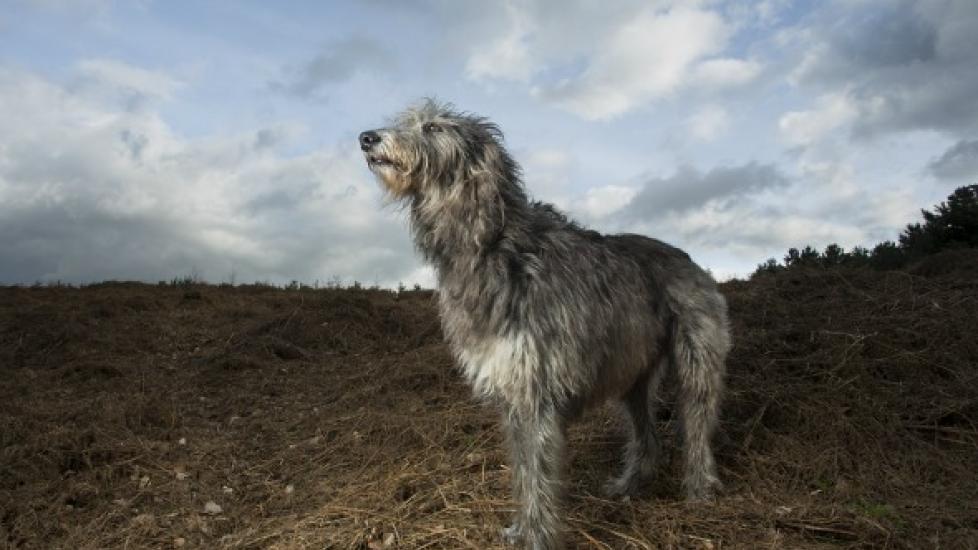
Osteochondrodysplasia (OCD) is a growth and developmental abnormality of the bone and cartilage, which results in lack of normal bone growth and bone deformities. Where osteo refers to the bone, chondro refers to the cartilage, and dysplasia is a general term that is applied to abnormal growth. Dog breeds that tend to be predisposed to this disorder are great Pyrenees, Alaskan malamutes, Samoyeds, Scottish deerhounds, Labrador retrievers, basset hounds, and Norwegian elkhounds.
Achondroplasia is a form of osteochondrodysplasia in which the bones do not grow to the normal size, based on what is expected of the breed. This is caused by a mutation of the fibroblast growth factor receptor gene. The result is abnormally short limbs, a condition called dwarfism. In some breeds this trait is selectively encouraged, such as with the dachshund, Skye terrier, and Welsh corgi. Other breeds that are reported to be affected are bulldogs, German shepherds, basset hounds, Boston terriers, pugs, Pekingese, Japanese spaniels, shih-tzus, beagles, English pointers, cocker Spaniels, and Scottish terriers.
These disorders are genetically acquired.
Symptoms and Types
- Larger than normal head
- Undershot jaw with shorter nose
- Crooked teeth due to shorter jaw
- Abnormal bone shape
- Poor growth or lack of growth
- Bones appear shorter than normal
- Enlarged joints
- Sideways bowing of forelimbs – front legs are more likely affected
- Spinal deviation to either side of the body
Causes
Osteochondrodysplasia is an autosomal dominant genetic disorder, meaning that it can be passed along by either gender and only one parent need carry the gene for an offspring to be potentially affected.
Diagnosis
You will need to give your veterinarian a detailed medical history, including when you first noticed symptoms of growth abnormality, and any information you have about your dog's genetic background. Routine laboratory testing will include a complete blood count, biochemistry profile and urinalysis to rule out other causes for the disorder. X-rays of the affected limbs will be taken, which will show abnormalities related to bone growth and structure. X-rays of the spine will also show such abnormalities in patients with spinal deviation. To confirm a diagnosis, your veterinarian will take a sample of tissue from the small bones of the body and send it to a veterinary pathologist for further diagnostic testing.
Treatment
After establishing the diagnosis, your veterinarian may decide to correct the problem with surgery. However, results of such corrective surgery are usually not rewarding. Pain relievers and anti-inflammatory medications are recommended for many affected patients as bone deformities can cause significant pain for these patients. Your dog's feelings of comfort and its projected life-span depend on the severity of the problem. If it is relatively minor, it is entirely possible for your dog to go on to live a relatively comfortable and healthy life.
Living and Management
The prognosis of this disease depends on the extent of problem. There is no definitive treatment option available for treating this disorder, and the outcome varies according to the severity of the disorder and which bones are affected. For some dogs, the bone dysplasia can be incapacitating, while for others, learning to compensate for the smaller limb size and reduction in mobility is successfully achieved.
Dogs that are affected with osteochondrodysplasia may be more prone to arthritic developments. This is something to be aware of as your dog ages. Another precaution to keep in mind is the risk of obesity that is a common side effect of this disorder. Make sure that you stay to a healthy diet and be observant of your dog's weight and physical health. If your veterinarian does recommend pain medications, be sure to use them with caution and with full instruction from your veterinarian. One of the most preventable accidents with pets is an overdose of medication.
As these disorders are genetically acquired, breeding is not recommended.




