Ethylene Glycol Poisoning in Cats: What To Do if Your Cat Ingests Antifreeze
IN PARTNERSHIP WITH


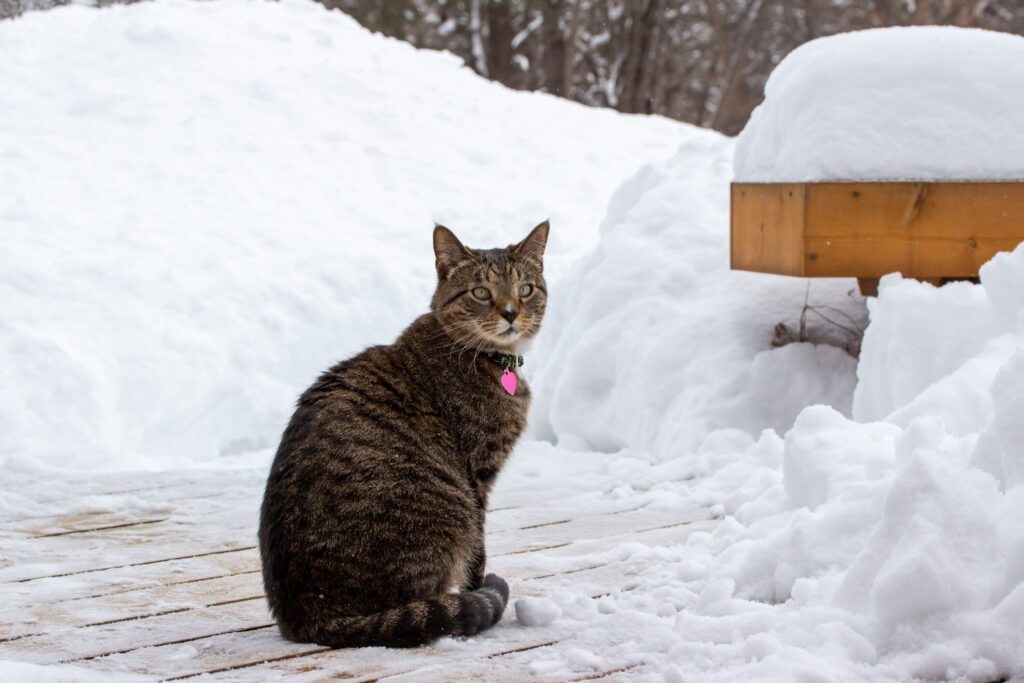
Cynthia Shirk/ via Getty Images
Antifreeze often contains the ingredient ethylene glycol, which is highly toxic to cats.
Cats are twice as sensitive to its toxic effects as dogs are. Even a small amount can be deadly for your cat, and there is a very narrow window of time in which treatment can be successful. Because any exposure can be problematic, it’s very important to keep your cat away from any sources of ethylene glycol.
If your cat has been exposed to ethylene glycol, get them to the nearest veterinary clinic as soon as possible.
What Is Ethylene Glycol Poisoning in Cats?
Ethylene glycol is a sweet, colorless, odorless liquid that can be found in varying concentrations of several household products, including antifreeze, brake fluid, and some paints and solvents.
You might not think you have ethylene glycol in your house, but even if you do not have bottles of these products in your garage, shed, or basement, ethylene glycol is still in your car’s radiator as coolant, which is a mixture of antifreeze and water.
Ethylene glycol can be found in very high concentrations in antifreeze, but tends to be in lower concentrations in paint products. Your cat can be poisoned even if they ingest a small amount of antifreeze. A cat may lick a small amount of ethylene from a leaky container, your car’s radiator, or a small puddle of antifreeze in your driveway or garage.
If your cat has been exposed to ethylene glycol, get them to the nearest veterinary clinic as soon as possible.
It’s important to note that not all antifreezes contain ethylene glycol; some contain ingredients that are less toxic. Therefore, if your cat is accidentally exposed to antifreeze, it is critical to find the ingredient list for that product to help determine what testing and treatment is necessary.
If your cat accidentally consumes ethylene glycol, it might initially seem like they are intoxicated; they can be lethargic or unsteady on their feet, and they may vomit. As their body processes the toxin, crystals form and are deposited in organs such as the kidneys and brain. These crystals can lead to kidney failure and additional neurological signs, such as seizures and coma.
There is an antidote for cats who have ingested ethylene glycol, but it must be administered within a very narrow window of time. If your cat is exposed to ethylene glycol, seeking immediate medical attention is critical and lifesaving.
Symptoms of Ethylene Glycol Poisoning in Cats
-
Increased urination initially, then decreased urination
-
Coma
What To Do if Your Cat Drinks Ethylene Glycol
If you suspect your cat has accidentally ingested ethylene glycol, immediately take them and the product or a picture of the product, if available or known, to a veterinary clinic. Because time is so crucial with this toxin, you can call your veterinarian or call the Pet Poison Helpline, a 24/7 pet poison control center, at 1-855-764-7661, while on the way to the clinic.
Treatment of Ethylene Glycol Poisoning in Cats
If your cat is accidentally exposed to ethylene glycol, your vet might perform special blood tests to determine whether your cat was exposed to a toxic amount and whether treatment is needed.
Unfortunately, these tests are not always available. If they are not, treatment is typically started out of an abundance of caution because the risk of death after ingestion of ethylene glycol is high and prompt action is needed.
If treatment is necessary, an antidote called fomepizole can be used; however, it must be started no more than three hours after the ingestion and given over several days to be effective.
In addition to receiving the antidote, your cat will need to stay at a veterinary clinic so they can receive IV fluids and medications to help with nausea and other symptoms that might develop. It’s also recommended for vets to run continuous blood work and ensure your cat’s urine is monitored closely to watch for kidney damage. Ethylene glycol poisoning in cats is very serious, and even with aggressive treatment it can still be fatal.
If your cat completes treatment, did not develop any symptoms, and does not go into kidney failure, they should be able to go home with you after a few days of hospitalization. If treatment is successful, then no long-term effects are expected and your cat should not need any long-term medications.
Unfortunately, in most cases where cats show symptoms of ethylene glycol poisoning, they do not survive.
Prevention of Ethylene Glycol Poisoning in Cats
The best way to prevent accidental ethylene glycol poisoning in your cat is to prevent your feline friend from having access to anything containing ethylene glycol.
Keep your cat out of your garage or any other location where you might store products containing ethylene glycol, and ensure your cat does not have access to the outdoors. If your cat has a knack for opening doors, consider a pet-safe door latch to keep them out of the garage.
Check vehicles regularly for coolant leaks. If your cat does go outside, monitor them closely to make sure they do not get into anything they shouldn’t. Make sure you label any containers that contain ethylene glycol, seal them properly, keep them out of reach of pets, and clean up spills immediately.
If you have antifreeze you need to dispose of, due to its hazardous nature you should not throw it away in regular trash receptacles. Many auto shops or service centers will take antifreeze, or you can contact a facility that specializes in disposal of hazardous waste.
FAQs About Ethylene Glycol Poisoning in Cats
Are there home remedies to treat antifreeze poisoning in cats?
There are no home remedies to treat antifreeze poisoning in cats. Ethylene glycol poisoning is often fatal, and cats need to be treated at a veterinary clinic.