My Cat Ate a Vitamin D Pill. Now What?


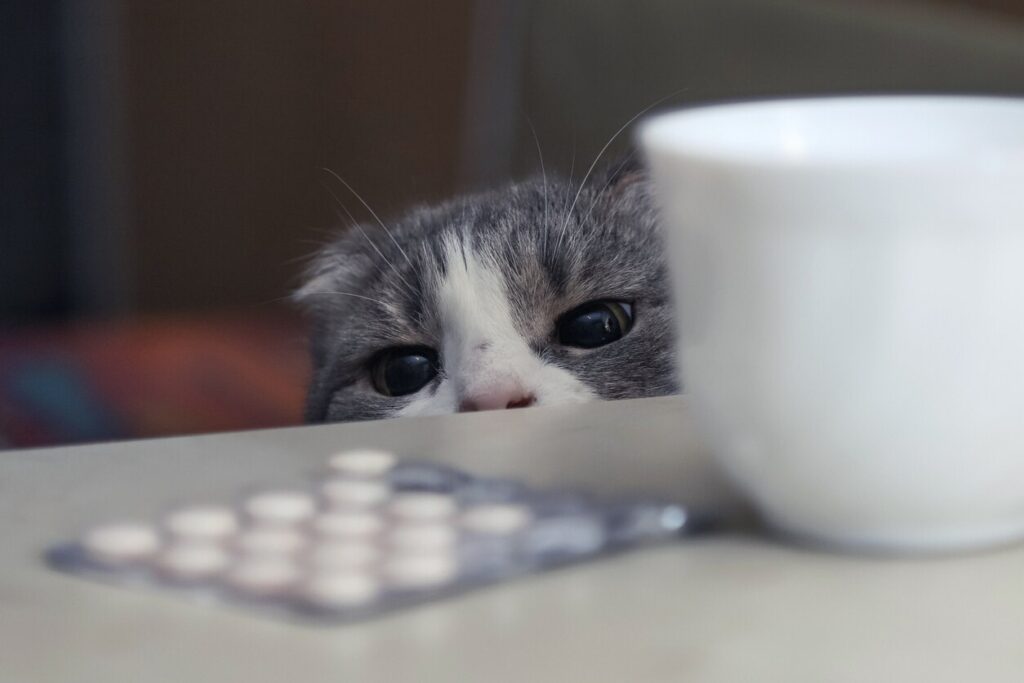
Cats are curious by nature. However, their curiosity can sometimes lead them into trouble—typically in the form of ingesting something toxic.
Key Takeaways
- Vitamin D might be prescribed to your cat if they have low blood calcium levels associated with kidney disease or diseases of the parathyroid glands.
- If you believe your cat ingested any non-prescribed item with traces of vitamin D, it can lead to severe toxicity or death. Contact an emergency vet immediately.
- Cats of all ages are susceptible to vitamin D toxicity, though young cats and kittens are at a higher risk.
What Is Vitamin D Toxicity in Cats?
Vitamin D is typically available as a human supplement, such as vitamin D3. It’s also present in cholecalciferol, which is frequently used in rodenticide, a chemical used to kill rodents.
Cats can consume some levels of vitamin D to help with immune function and aid in bone formulation, among other health benefits. It plays a vital role in regulating the calcium and phosphorous levels in your cat’s body.
Vitamin D might be prescribed to your cat if they have low blood calcium levels associated with kidney disease or diseases of the parathyroid glands.
However, too much of anything can pose a risk. If a cat ingests excessive amounts of vitamin D from a rodenticide, it can cause major health issues.
Vitamin D poisoning occurs when a cat takes in too much calcium and phosphorus, and it accumulates in the body. This can lead to liver and kidney failure. It can also trigger toxic effects on your cat’s heart, including a lowered heart rate and an abnormal heart rhythm.
Cats of all ages are susceptible to vitamin D toxicity, though young cats and kittens are at a higher risk due to their smaller size and increased level of curiosity.
If your cat ingests any vitamin D that hasn’t been prescribed to them, it’s a medical emergency. Immediately take your cat to the closest veterinary clinic and call the pet poison helpline.
How Much Vitamin D Is Toxic to a Cat?
A cat’s curiosity can lead to an accidental vitamin D poisoning if they ingest a human vitamin D supplement pill on the floor, find a tube of psoriasis cream, discover a stash of rat poison bait, or ingest part of a plant that contains high levels of the vitamin.
Vitamin D poisoning is not common in cats. When poisoning does occur, it’s most often because of an ingestion of rodenticide.
Vitamin D supplements vary in dose depending on the formulation.
If you believe your cat ingested any item with traces of vitamin D, it can lead to severe toxicity or death. Contact an emergency vet immediately.
Symptoms of Vitamin D Poisoning in Cats
Symptoms of vitamin D poisoning in cats can occur immediately or after a few hours. Damage to their liver or kidneys can occur within 12 to 48 hours of ingestion and can be found through bloodwork.
The severity of your cat’s symptoms will depend on the amount of vitamin D they consumed. Signs of vitamin D poisoning in cats may include:
-
Weakness
-
Refusal to eat
-
Drooling
-
Excessive thirst
-
Excessive urination
-
Diarrhea
-
Abdominal pain
-
Depression
-
Increased respiratory rate, or difficulty breathing
-
Intestinal bleeding (blood in vomit or black, tarry stool with or without blood)
-
Slow heart rate
-
Abnormal heart rhythm
-
Death
What Should I Do If My Cat Ate Vitamin D Pills?
No matter the amount of non-prescribed vitamin D your cat ingested, contact your vet or an emergency vet clinic immediately. With smaller amounts ingested, this might mean monitoring your cat at home. With more substantial ingestions, hospitalization is usually required.
Never induce vomiting in your cat at home. This can cause additional health issues, such as aspiration pneumonia and severe damage to the lining of their stomach.
Bring the vitamin D bottle, rodenticide packaging, or whatever product you believe your cat consumed to the vet’s office. Any product information can help your vet determine the best course of action.
After a full physical examination, bloodwork, and urine testing, your vet will decide what’s the most effective treatment plan for your cat.
Never induce vomiting in your cat at home. This can cause additional health issues, such as aspiration pneumonia and severe damage to the lining of their stomach.
Treatment of Vitamin D Poisoning in Cats
Treatment is determined by how much time has passed since your cat ingested vitamin D. If it was within the last few hours and your cat isn’t displaying any symptoms, your vet may induce vomiting. This is done to expel as much of the poison as possible before it is absorbed into your cat’s system.
Activated charcoal may be given to decrease the amount of vitamin D that your cat digests. With low doses and no signs of organ damage, outpatient therapy may be sufficient.
However, bring your cat for follow-up exam after a few days (every 24 hours until 72 to 96 hours since ingestion) to ensure there is no effect on their internal organs.
With larger doses that can harm the kidneys, liver, or heart muscle, your cat will likely need to be hospitalized.
They will be monitored closely while being treated with IV (intravenous) fluids, anti-nausea medications, antacids, and medications to decrease the amount of calcium and phosphorous in their body. Your cat will also be placed on antiseizure medications and antibiotics.
The first 72 hours after ingestion is the most important period. During this time, life-saving measures must be taken to ensure there aren’t any long-term health effects on your cat.
Prognosis of Vitamin D Toxicity in Cats
The quicker your cat gets medical help, the better it will be for their recovery. However, even after they recuperate, your cat may experience lasting effects for weeks or months.
They will need frequent checkups with their vet, who will keep an eye on their liver, kidney, heart, and muscle function.
Cats that have experienced vitamin D poisoning are also likely to develop chronic kidney disease, which requires lifelong management with a special diet and medication.
The quicker your cat gets medical help, the better it will be for their recovery.
Prevention of Vitamin D Toxicity in Cats
Prevention of vitamin D toxicity in cats is essential. Make sure to lock up and store away any medications or creams that contain vitamin D. If you take a daily vitamin D supplement, make sure not to leave the bottle unattended. Secure any medications or supplements in a locked cabinet.
If you have plants in your home or your cat goes outside, especially where harmful weeds can grow, ensure that your cat doesn’t have access to these plants.
Cats are naturals at getting into things, so the temptation shouldn’t be made available to them.
Featured Image: iStock.com/Ekaterina Markelova