Tongue Cancer (Squamous Cell Carcinoma) in Cats

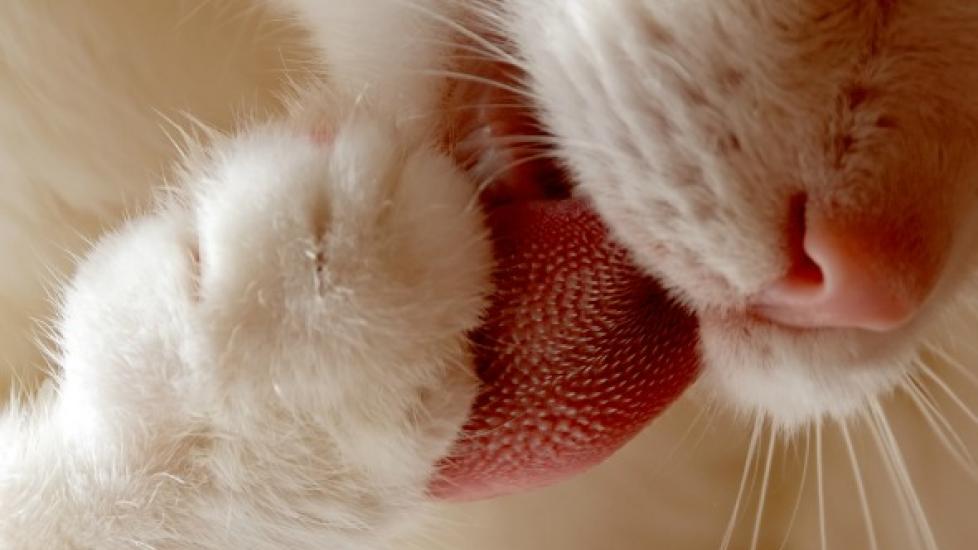
Lingual Squamous Cell Carcinoma in Cats
A squamous cell carcinoma (SCC) can be described as a malignant and particularly invasive tumor that takes hold in the scale like cells of the epithelium – the tissue that covers the body or lines the cavities of the body. These scale like tissue cells are called the squamous. Carcinoma is, by definition, an especially malignant and persistent form of cancer, often returning after is has been excised from the body and metastasizing to other organs and locations on the body.
Cats can be afflicted with several types of squamous cell carcinoma tumors, including in the mouth. A squamous cell carcinoma on the tongue is usually located underneath the tongue where it attaches to the bottom of the mouth. It can be white in color and sometimes has a cauliflower shape. This type of tumor grows and metastasizes quickly to other parts of the body.
As with many types of carcinomas, this is usually seen in older cats. In this case, older than seven years of age. It is otherwise rarely seen in cats.
Symptoms and Types
- Drooling
- Small white growth under the tongue
- Loose teeth
- Bad Breath (halitosis)
- Difficulty chewing and eating (dysphagia)
- Lack of appetite
- Blood coming from the mouth
- Weight loss
Causes
There is no known cause for squamous cell carcinomas on the tongue.
Diagnosis
Your veterinarian will perform a thorough physical exam on your cat, taking into account the background history of symptoms and possible incidents that might have led to this condition, such as accidental ingestion of a toxic substance that might have led to mouth sores, or other injury to the mouth.
A full visual inspection will be made of your cat's mouth and tongue, and a sample will be taken from the tumor for laboratory analysis. This is the only concrete way to determine whether the tumor is malignant or benign. X-ray images will also be taken of your cat's head and chest to determine if the cancer has spread into the bones, lungs, or brain. Your veterinarian will palpate your cat's lymph nodes to check for swelling – an indication that the body is fighting an invasive disease, and a sample of the lymph fluid will be taken to test for the presence of cancerous cells.
Standard tests include a complete blood count and biochemistry profile to make sure your cat's other organs are functioning normally.
Treatment
There are not many effective treatments for these tumors, since many tumors are too large to be removed without causing significant disability, or they are in a location where they cannot practicably be removed. However, sometimes cats with tumors close to the front, or on one side of the tongue can be treated with surgery. If this is the case, part of the tongue will be removed along with the tumor. Depending on the size and location of the tumor, it may not be possible to remove it in its entirety. For cases such as this, your veterinarian will counsel you on the effectiveness of chemotherapy or radiation therapy for stopping or slowing regrowth of the tumor.
Cats that have part of their tongue removed generally recover well after surgery but may have trouble eating for some time during the recovery process. Your veterinarian will help guide you in creating a meal plan for your cat. Choices will be limited to soft or liquid foods, and in some cases, a feeding tube may be required until your cat's mouth has healed sufficiently. The feeding tube is usually placed directly in the stomach. If this is necessary, your veterinarian will guide you in the proper technique for placing the tube.
Living and Management
If your cat had surgery to remove part of its tongue, it will likely need a feeding tube when it comes home with you. This tube will need to be kept in place until your cat's tongue and mouth have recovered from surgery. Your veterinarian will help you to plan a meal schedule and will recommend the foods that will be best for your cat during recovery. Be sure to follow your veterinarian's directions closely. Once the feeding tube is removed, your cat will need to continue with a soft food that is easy to digest. You may find that it is helpful to encourage your cat to eat from your hand, using small amounts of food at a time, until it is eating well on its own again.
It is characteristic for carcinomas to return after surgery. While each animal responds differently, in most cases a cat will do well for a few months after treatment or surgery before the disease returns.





