Fowl Pox


Tim Bingham/iStock / Getty Images Plus via Getty Images
What Is Fowl Pox?
Fowl pox, also known as avian pox, is a viral disease that affects many species of wild and pet birds. Fowl pox is most commonly found in chickens and turkeys and can infect most bird species around the world.
More than 200 species of fowl pox exist and are typically named after the specific species the virus affects, including:
-
Canary poxvirus
-
Quail poxvirus
-
Psittacine poxvirus
-
Mynah poxvirus
-
Turkey poxvirus
-
Pigeon poxvirus
If your bird shows any of the following signs of poxvirus, contact your veterinarian immediately and quarantine any affected birds right away.
Types of Fowl Pox
Cutaneous or Dry Pox
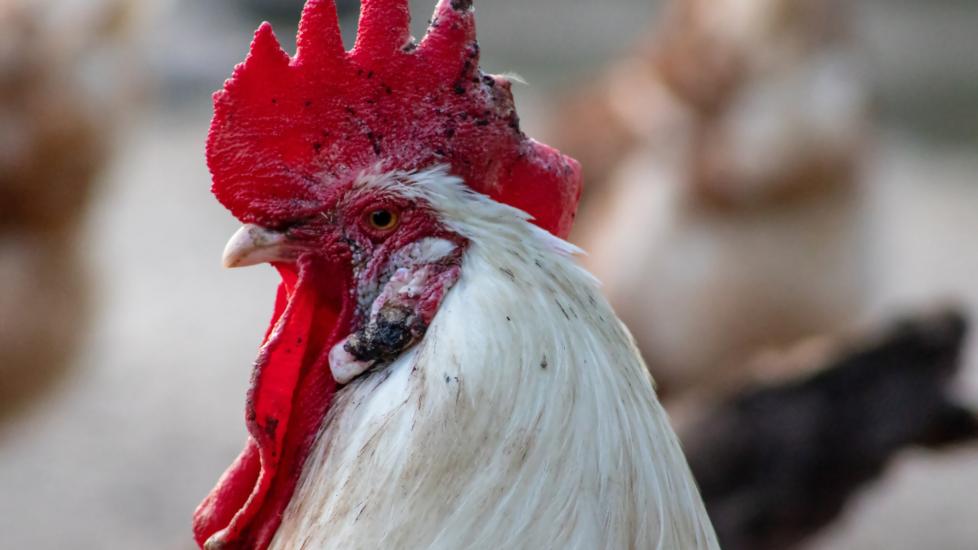
Dry pox is the cutaneous (skin) form of fowl pox, and is the most common outbreak in all birds.
Pet birds suffering from dry fowl pox will experience mild to severe skin scabs. These can start as small, individual scabs that become raised and crusted and expand from the initial scab/lesion. The scabs will turn red in color and blacken. Lesions will appear over unfeathered areas on the bird’s body such as the face and feet.
Diphtheroid or Wet Pox
Wet pox or diphtheritic lesions can be found in the:
-
Eyes and eyelids
-
Oral cavity
-
Sinuses
-
Nasal cavity
-
Respiratory system
-
Upper esophagus
Birds with wet pox can have small white or gray nodules in these locations. The nodules can expand (diffuse) to cover most of the area with a thick matting (membrane).
Septicemia
The septicemic (viremia) form of avian pox is rare, and has been found in canaries and wild bird species. Septicemia is caused when a disease-causing agent (bacteria or virus) is spread throughout the body in the bloodstream.
Lesions of septicemic pox are generally found in the:
-
Lungs
-
Liver
-
Spleen
-
Kidneys
Pet birds suffering from septicemic pox will exhibit signs of severe lethargy, depression, or not wanting to eat, and the condition can be fatal.
The appearance of septicemic fowl pox is believed to be linked to environmental factors and the health of the bird’s immune system, and can occur after severe wet pox infections.
Symptoms of Fowl Pox
General symptoms of fowl pox include:
-
Scabs on unfeathered areas
-
Eye swelling with crusting or discharge
-
Itching or rubbing face
-
Pecking at lesions (feet/legs)
-
Weight loss
-
Anorexia (not eating)
-
Difficulty breathing (open mouth breathing)
Causes of Fowl Pox
Fowl pox is primarily transmitted by a vector, which can be mechanical (contaminated material) or biological (spread by bugs). Fowl pox is not contagious to humans or other pets, but other animals or humans can be vectors of poxvirus between birds.
Fowl pox has the best chance of transmission through a lesion or wound on a bird. Birds can pass the virus to other birds via a bug bite or other skin lesion/wound.
Mechanical Vectors—Viral particles are shed in the skin cell crusts and shed through liquid from any lesions on the bird. These particles can attach to toys, cage bars, or food and are also found in feces and feather quills. Poxviruses are resistant and may survive up to 1.5 years in the environment.
Biological Vectors—Mosquitoes are the most common carrier of fowl pox. The mosquito will bite an already infected bird and then feed on an uninfected bird, which passes on the avian pox virus.
How Veterinarians Diagnose Fowl Pox
Typically, a veterinarian will make a presumptive diagnosis of fowl pox based on the skin or oral lesions and an understanding of the bird’s possible exposure to the virus through a detailed history.
Other tests a veterinarian will perform may include:
Biopsy/Histopathology—A definitive diagnosis of avian pox can be confirmed with a skin biopsy or skin scraping of affected tissue from a diseased bird. The tissues collected are examined under the microscope to determine whether fowl pox is present.
Polymerase Chain Reaction (PCR)—Feather pulp (feather follicles) or swabs of samples from lesions are examined for viral genetic material.
For pet birds exhibiting signs of poxvirus, your veterinarian may ask the following questions:
-
Are there any new birds in your flock/aviary?
-
When did you first notice the lesions?
-
Have there been any changes in your bird’s routine or environment?
If poxvirus is suspected in a flock of farm birds such as chickens or turkeys, your veterinarian may ask:
-
Are you sourcing birds from a pox-vaccinated source?
-
Are there other birds in the flock that are affected or unaffected?
Vaccines can be given to unaffected birds if there is an outbreak; it is essential to identify sick birds and separate them before the whole flock becomes infected.
Treatment of Fowl Pox
There is no direct treatment for fowl pox; your veterinarian will focus on symptom management while the bird clears the virus on their own. Your veterinarian will approach any clinical signs, lesions, or infections with a treatment plan dependent on the type of bird that is infected. Wound care, anti-inflammatories, and antibiotics can be used to aid in recovery and make your bird more comfortable as they heal.
-
Secondary infections (bacterial, fungal, or yeast) require topical applications or water treatments
-
Water-soluble vitamin A has been used in some cases to help support skin health and immune support
-
Chlorhexidine or iodine can be used to clean the wounds
It’s important to work closely with your veterinarian with any changes in your bird’s health. Early detection of avian pox can help limit the severity of disease.
Recovery and Management of Fowl Pox
Many birds with dry pox and mild wet pox infections can make a full recovery in two to four weeks. Severe infections can take four to six weeks for a bird to fully recover.
Proper supportive care will aid in the healing process. Be mindful to keep wounds cleaned, lower any environmental stressors for your birds, provide a balanced diet, and follow any treatment recommendations made by your veterinarian.
In a poultry flock, it can take weeks to months for the entire flock to recover. They are often infected with both wet and dry pox simultaneously.
Left untreated, fowl pox can lead to:
-
Infection—Bacteria or fungal infections of the affected tissues
-
Septicemia
-
Death
Prevention of Fowl Pox
Limiting your bird’s exposure is key to preventing the spread of fowl pox. Any birds presumed to have an active infection of fowl pox should be isolated from any other birds. Their cage or enclosure needs to be cleaned with a 10% bleach solution (only when birds are not present).
It’s important to also ensure your bird has a safe and secure enclosure to limit exposure to wild birds and mosquitoes. This may help in preventing avian pox.
For outdoor poultry flocks, vaccines are available for young birds and can be given by your veterinarian in the field.
Additionally, you can help ensure overall health of your backyard poultry flocks by working with a hatchery that has obtained National Poultry Improvement Plan (NPIP) certification, which upholds high-quality standards of bird health and biosecurity.
Fowl Pox FAQs
What is the mortality rate for fowl pox?
Mortality rates are dependent on the severity of infections, housing, and environment, as well as the bird’s stress level.
What is the difference between fowl pox and avian pox?
Fowl pox and avian pox are the same medical condition.
Is fowl pox contagious to humans?
Fowl pox in birds is not contagious to humans.