Skin and Shell Infection in Reptiles

Pet lizards, snakes, turtles, and tortoises are frequently diagnosed with infections of their skin and shells. If left untreated, these infections can cause permanent damage or spread into the animal's blood stream, which is often fatal.
Symptoms and Types
Skin and shell infections in reptiles have many different names depending on their location and characteristics:
- Cavities containing pus in or under the skin are called abscesses.
- Fluid-filled pockets within the skin are the hallmarks of blister disease.
- If the blisters rupture or red/raw sores, which are slow to heal, develop, the disease is called scale rot.
- The shells of turtles and tortoises affected with shell rot will often have soft or pitted areas that may lift away from the rest of the shell and reveal underlying bony structures.
- Septicemic cutaneous ulcerative disease (SCUD) is a form of shell rot that also spreads into the blood stream and internal organs.
Foul-smelling fluid may sometimes drain from the infected areas. Severely affected reptiles are often lethargic and do not eat well.
Causes
Skin and shell infections are caused by either bacteria or fungi. When reptiles live in dirty or excessively humid environments, microorganisms thrive, reproduce, and can overwhelm the pet’s immune system, which also may be weakened by poor nutrition. If the reptile’s skin or shell is cut or scratched, an infection is even more likely to develop.
Diagnosis
A veterinarian can usually diagnose skin and shell infections based on an animal’s history, clinical signs, and a physical exam. Blood work can help determine if the infection has spread internally. In some cases, testing various antibiotics against bacteria that have been collected from the infected area is necessary to plan appropriate treatment.
See Also:
[video]
Treatment
Minor skin and shell infections can be treated at home by gently scrubbing the affected area with a dilute povidone-iodine or chlorhexidine solution and applying a topical antibiotic ointment two times a day. If the wound fails to heal but the reptile’s overall condition is still good, a fungal infection may be involved and an antifungal cream may be needed to treat the infection. However, if the skin or shell does not look better in a few days, take the pet to an experienced reptile veterinarian. More severe infections may require injectable or oral antibiotics and surgery to drain abscesses or remove diseased tissue.
Living and Management
While a reptile is recovering from a skin or shell infection, it should be housed in an exceptionally clean terrarium. Newspaper or paper towels make the best floor coverings because they won’t contaminate wounds and can be replaced frequently. Any underlying problems such as inadequate sanitation, improper humidity levels, or sharp or excessively rough objects in the terrarium must also be dealt with or the infection is likely to return.
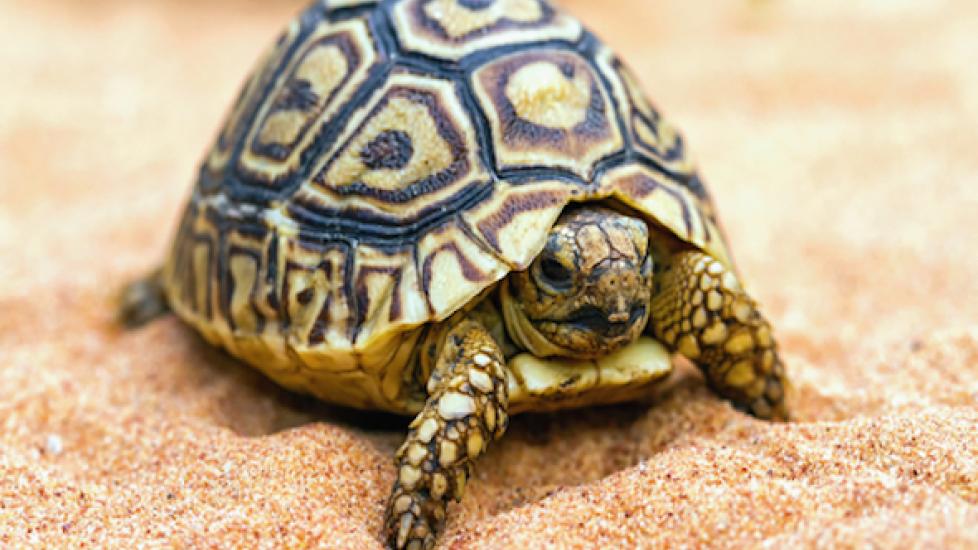
Image via Shutterstock