Vaginal Discharge in Rabbits

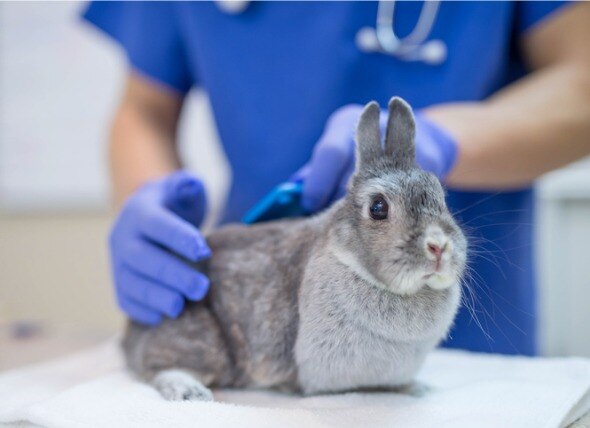
Vaginal discharge is not a common or normal occurrence in rabbits, and is normally taken to be a sign of infection or illness. Vaginal discharge includes any substance that comes from the vulvar labia, or vaginal area, including fresh blood or blood tinged fluid. Vaginal discharge is almost always considered abnormal, except in cases where the rabbit is discharging postpartum fluids — the fluids that leave the uterus after birth.
Symptoms and Types
The signs, symptoms and types of vaginal discharge vary from rabbit to rabbit and may vary according to the sexual status of the rabbit. Those that are sexually active are more at risk for vaginal discharge. Older rabbits are also more at risk.
Common symptoms and signs include:
- Blood in the urine – although this is a misconception, since blood does not actually originate in the urinary tract but actually originates in the uterus
- Spotting, which is usually tinged with blood
- Discharge that may stick to the fur of the perineum or around the anus of the rabbit
- Enlarged uterus which may be easily felt on physical examination
- Enlarged mammary glands, either one or both
- Depression and lethargy
- Inability to eat or lack of interest in eating
- Nesting activities
- Increasing aggressive tendencies
- Pale mucous membranes
Causes
The causes for vaginal discharge may include:
- Uterine cancer, or adenocarcinoma, among the most common causes for vaginal discharge
- Other disorders of the endometrium or lining of the uterus, including tissue overgrowth
- Trauma to the vagina
- Urinary tract infection, which is unusual
- Vaginitis (inflammation of the vagina)
Diagnosis
To diagnose the condition, your veterinarian will gather a specimen sample of the urine to distinguish blood in the urine from blood expelled from the uterus. Other exams will include ruling out uterine adenocarcinoma (cancer). Ultrasound can be used to examine the uterus and surrounding reproductive organs, and radiography will help your veterinarian to detect any masses in the uterus and help measure the size of the uterus to determine if it is abnormal in any way. Pregnancy can also be ruled out during the course of these diagnostic checks.
A culture will help rule out any bacteria infections, and will help assess the health of the vaginal flora – the collection of healthy bacteria, fungi, and microorganisms that normally live within the vaginal canal. An imbalance of the vaginal flora will be indicative of yeast overgrowth and other common fungal infections.
Treatment
Common treatments are typically aimed at treating the cause for the vaginal discharge. In cases of uterine adenocarcinoma, the internal reproductive organs may require complete removal, also known as a hysterectomy. Often, uterine disorders can increase the risk for hemorrhage in the uterus, which can be life-threatening. Blood transfusions are also sometimes necessary.
To control bacterial infections, antibiotics may be used. However, they are recommended on a case-by-case basis, as they can sometimes proove fatal. Be sure to consult with a veterinarian before medicating your pet.
Living and Management
Complications associated with treatment may include blood infections, and adhesions or tissue growths in the abdomen. Some rabbits may also experience internal hemorrhaging. Overall, however, the prognosis is good for rabbits receiving an ovariohysterectomy in a timely fashion. For this reason, prompt treatment is the best course of action if your rabbit is in the early stage of vaginal discharge. Be sure to seek prompt care and follow up care for the best possible outcome.
Featured Image: iStock.com/FatCamera


