Limping Due to Pain or Injury in Rabbits

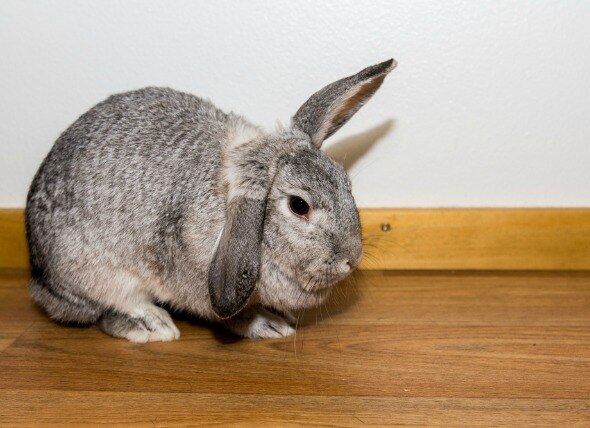
Lameness in Rabbits
Lameness is defined as the disabillity of a limb to the point where movement is impaired. This is typically the result of a severe limb injury or as a side-effect of severe pain in the limbs. As the rabbit spends less time using the limb it may begin to favor other unaffected limbs. Moreover, the rabbit will appear to walk rather than hop, as it will not use its hind limbs to push off. The muscular, nervous, and skin systems may all be affected by lameness.
Symptoms and Types
In addition to limited range of motion in the joints, abnormal positioning of joints, and abnormal joint sounds, a rabbit with lameness may display signs such as:
- Pain
- Depression
- Lethargy
- Hunched posture while sitting
- Reluctance to move
- Hiding
- Teeth grinding
- Grunting or crying with movement
- Decreased appetite or water intake
- Lack of self grooming
- Faulty gait — difficulty with hopping, climbing (stairs)
- Imbalanced muscle mass
- Bony prominences
- Swelling over joints
- Urine scald in the perineal region (due to inability to correctly position self for urination)
Causes
There are a variety of causes for lameness, including:
- Congenital development abnormalities
- Injury to soft tissue, bone, or joint
- Infection — abscess, septic arthritis, pododermatitis (foot infection)
- Soft tissue or bone tumors
- Arthritis
- Shoulder or hip dislocation (dysplasia)
- Elbow dislocation (dysplasia)
- Ligament tears or injuries
- Fractures
- Spinal diseases (intervertebral disc disease)
- Spondylitis (inflammation of the vertebrae)
- Obesity, lack of exercise
Diagnosis
Your veterinarian will need to begin by differentiating between lameness due to muscle imbalance and lameness due to a nervous disorder. You will need to give a thorough history of your rabbit's health, onset of symptoms, and possible incidents that might have led to this condition. A blood and urine analysis will be performed, and an examination of joint fluid to identify and differentiate joint disease.
Visual diagnostics will include X-rays for all suspected musculoskeletal causes, and computed tomography (CT) and magnetic resonance imaging (MRI) to help identify and differentiate between causes. Your doctor may also use electromyography (EMG) to test the muscle's electrical activity. A muscle and/or nerve biopsy to study the cellular structure of the muscle tissue may also be necessitated by your doctor's findings.
Treatment
Treatment will depend on the underlying cause and severity of the disease. If your rabbit is suffering from severe loss of appetite, tube feeding can be used to sustain nutrition until its condition has stabilized. Sedatives, or strong or mild pain relievers may be used – such as morphine or regular anti-inflammatory drugs to decrease inflammation and swelling, thereby decreasing discomfort. If infection is suspected, antibiotics may be used with caution.
Bandage or splint care may be all that is needed to correct the limb problem, but if the condition is of a more severe nature, such as joint deformities, fractures, abscesses, etc., surgery may be done to repair or remove the cause of the disability.
Living and Management
At home, you will need to provide your rabbit with a quiet spot in which to recover, with soft bedding and daily bedding changes. Removal of soiled bedding and measures to keep the fur clean and dry will be an important part of protecting your rabbit from a worsening of its condition. Activity should be restricted to protect the limb from any further injury until the symptoms have resolved.
It is important that your rabbit continue to eat during and following treatment. Encourage oral fluid intake by offering fresh water, wetting leafy vegetables, or flavoring water with vegetable juice, and offer a large selection of fresh, moistened greens such as cilantro, romaine lettuce, parsley, carrot tops, dandelion greens, spinach, collard greens, and good-quality grass hay. Also, offer your rabbit its usual pelleted diet, as the initial goal is to get the rabbit to eat and to maintain its weight and nutritional status. If your rabbit refuses these foods, you will need to syringe feed a gruel mixture until it can eat again on its own.
Unless your veterinarian has specifically advised it, do not feed your rabbit high-carbohydrate, high-fat nutritional supplements.


