Cracked Heels in Horses: Causes, Treatment, and Prevention


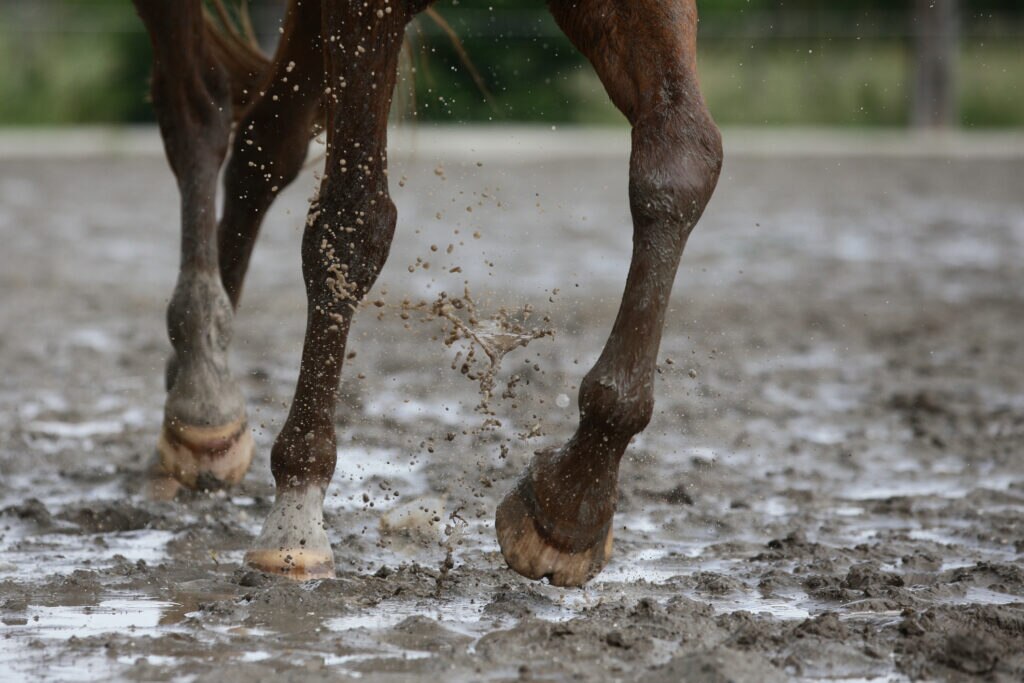
kiekje/iStock/Getty Images Plus via Getty Images
Cracked heels is a term referring to dermatitis (swelling of the skin) of the heel, back of the pastern, and even back of the fetlock in horses. Dermatitis can result from trauma, as well as bacterial, fungal, or parasitic infections.
Cracked heels is a lay term, or common term, for pastern dermatitis; other terms often used are scratches, greasy heel, mud fever, mud rash, and dew poisoning.
Key Takeaways
- Cracked heels is a common term for pastern and heel dermatitis, an inflammatory skin problem.
- Cracked heels is linked directly to excess moisture in contact with the lower legs.
- Treatment for cracked heels is geared toward creating a clean, dry environment.
- Cracked heels commonly includes a secondary infection caused by bacteria, fungi, or parasites.
Summary
Cracked heels is a skin condition of the heel, pastern, and fetlock, and less frequently the cannon bone. In its mildest form, skin becomes dry, irritated, and chapped, leading to reddening, swelling, and itchiness.
Cracked heels is extremely common in geographic locations with high rainfall or environmental moisture, and stables or stalls that are wet or under-bedded.
Horses with heavy fur, feathering around the legs, or white lower legs are more prone to pastern dermatitis and the associated infection. Common breeds matching this description include Clydesdales, Gypsy Vanners, and Friesians.
Symptoms
Cracked heels can come with various symptoms. The severity of these symptoms relates to the cause of the dermatitis itself (bacteria, fungus, parasite) and how long it has been going on. Lesions are specific to the backside of the leg but, in severe cases, they can extend around the limb.
Signs of cracked heels include:
-
Swelling
-
Skin redness
-
Cracks in the skin
-
Itchiness (pruritis)
-
Sensitivity to touch
-
Dry scaling
-
Crusting
-
Erosions
-
Ulceration
-
Oozing
Causes
Cracked heels is a result of excessive moisture in contact with the skin of the lower legs, leading to skin chapping and cracking, and allowing for infection.
Common causes include:
-
Mud
-
Wet pasture
-
Unhygienic living environment
-
Bedding with excess moisture
-
Shared leg wraps
-
Sunlight (causing burns)
-
Bacteria
-
Fungi
-
Parasites
Diagnosis
Cracked heels is generally diagnosed on physical exam.
If infection is suspected, a veterinarian may take skin scrape samples, cultures, or even a biopsy of the skin to determine the cause of infection.
Treatment
Early in the disease, cracked heels can cause skin cracks, redness, and irritation of the lower leg, particularly along the back of the pastern and the heel. These symptoms can be managed with appropriate antimicrobial shampoos and other topical therapies, along with quick correction of the environment.
Immediately give the horse a dry place to stay, keep them out of mud, water, or wet pastures, and ensure the bedding in their stall is cleaned frequently and kept dry.
Many horse owners treat mild cracked heels with correction of the environment and over-the-counter products.
Typically, the affected area is gently clipped to remove excess hair, especially feathers, and cleaned with a gentle antiseptic.
All of this must be done gently to prevent further damage or irritation to the skin. Antimicrobial shampoos are used according to label instructions—typically, they are scrubbed to create suds, left on the affected area to soak for a time, and then rinsed. It is very important to dry the area after it is washed!
If cracked heels does not improve very quickly, or is severe once it is recognized, it’s important to involve your veterinarian to ensure you are using the correct products. A veterinarian can ensure you are treating the skin correctly before the condition spreads or becomes deeper, leading to more severe symptoms and long-term issues.
If the condition is severe, systemic antibiotics, anti-inflammatories, antiparasitics, or steroids may be necessary.
Treatment and resolution of cracked heels is dependent on early and accurate diagnosis.
Recovery and Management
Never pick at or peel the areas affected by pastern dermatitis, and let the medications do their work.
Giving your horse a clean, dry place to reside is the best possible help. Deep, dry shavings that are cleaned regularly to ensure they are fresh also minimize irritation and support healing.
While horses recover from cracked heels, supplements that support healthy skin are a valuable addition to their diet.
Prevention
A clean, dry environment is the absolute best way to prevent cracked heels. In wet seasons or climates, be sure your horse has a dry place to get away from moisture and mud. Additionally, you can:
-
Maintain good hygiene of the lower legs by cleaning/clipping feathers regularly.
-
Turn horses out in pastures after the dew has dried, and when it’s not raining.
-
Clean and dry lower legs once horses come in from turnout.
Cracked Heels FAQs
What is the best thing to do for cracked heels on horses?
The best therapy for cracked heels depends on the specific cause, which should be determined by a veterinarian. However, all cases of pastern dermatitis are related to cleanliness and moisture, so a clean, dry place to live is always the first step.
How do you treat cracked heels?
Gently clip, clean, and disinfect the area, typically with a prescription shampoo. Pat dry before applying appropriate topical treatments.


