Bacterial Diseases in Ferrets

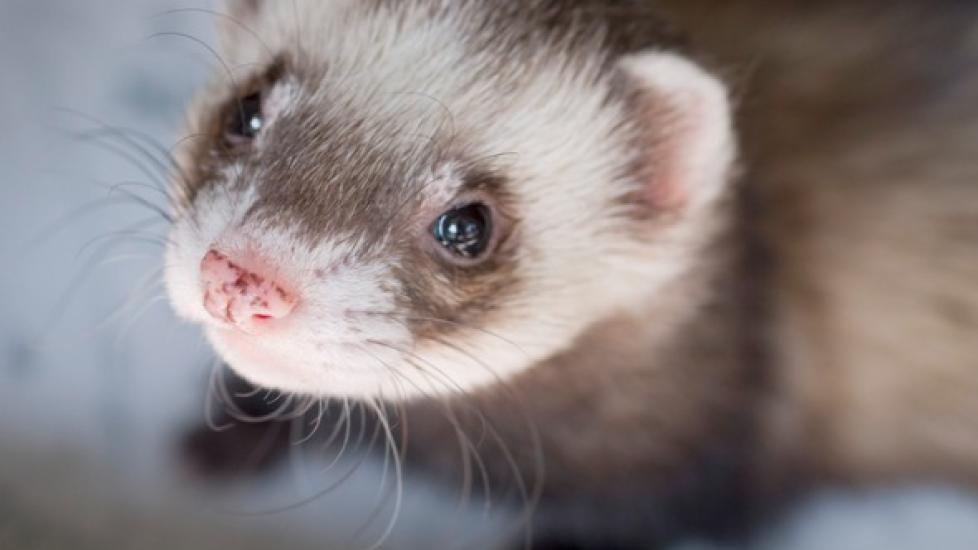
Ferrets can suffer from many infectious diseases. These diseases can be due to infection with bacteria, viruses, fungi, and parasites and many of them infect other animals and humans too.
Two common bacterial infections in ferrets are due to the bacteria Helicobactei mustelae and Lawsonia intracellularis -- the former being found in nearly all weaned ferrets.
Symptoms and Types
Helicobactei mustelae usually display signs of gastric ulcers and inflammation of the stomach (chronic gastritis). Some chronic cases may develop into stomach cancer (gastric lymphoma).
Other signs of Helicobactei mustelae bacterial infection are loss of appetite, vomiting, teeth clenching or grinding, diarrhea with stools stained black (by blood), increased salivation, abdominal pain, sluggishness, weight loss, and dehydration.
A Lawsonia intracellularis bacterial infection can occur due to stress. The signs of this infection are diarrhea, weight loss, and rectal prolapse (rectum protrudes out of the anus). At times, rectal prolapse (enlargement of mass in or around the rectum) will damage the rectum or prevent defecation. This infection can also cause the ferret to develop a bowel disease.
Treatment
After diagnosing the type of bacterial infection, the veterinarian will prescribe antiobitics for your ferret. Helicobactei mustelae infections will require antibiotics for at least three weeks, while Lawsonia intracellularis infections only require about two to three weeks.
Featured Image: iStockPhoto.com/JuergenBosse