Bumblefoot in Guinea Pigs: What Is It, and How Is It Treated?



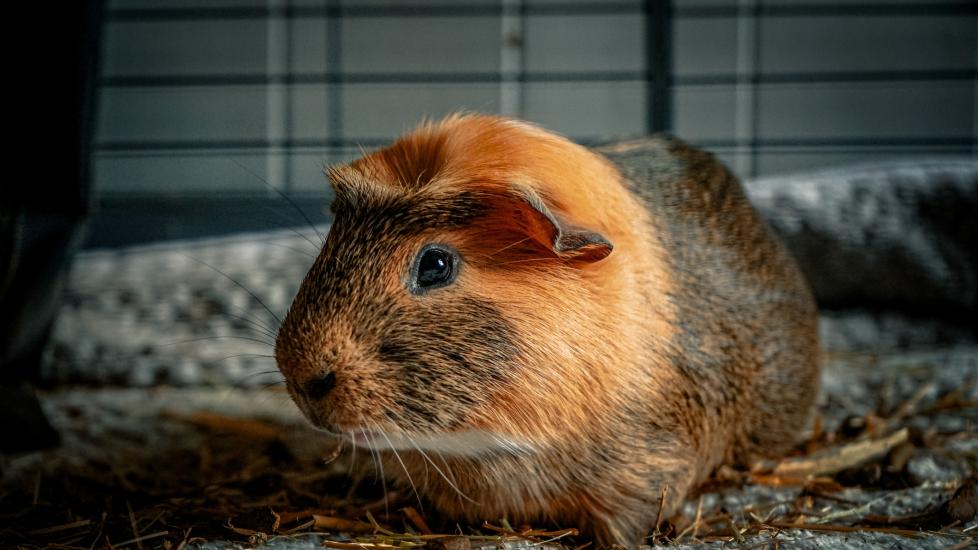
Daniel Saunders/iStock / Getty Images Plus via Getty Images
Bumblefoot in guinea pigs, also known as pododermatitis, occurs when the skin on a foot becomes excessively inflamed.
While inflammation is a natural response to fight off pathogens, repair damage, or address irritants, prolonged inflammation can be harmful.
This condition may cause pain, redness, swelling, heat, and even loss of function in the affected feet.
Key Takeaways
- Bumblefoot in guinea pigs happens when the skin on a guinea pig's foot becomes excessively inflamed.
- Bumblefoot in guinea pigs can be curable if there are no permanent changes to the tendons, bones, and joints.
- You can prevent bumblefoot in guinea pigs by making sure their enclosure and diet is appropriate.
What Is Bumblefoot in Guinea Pigs?
Bumblefoot in guinea pigs often results from bacterial infections, direct trauma, or a combination of both.
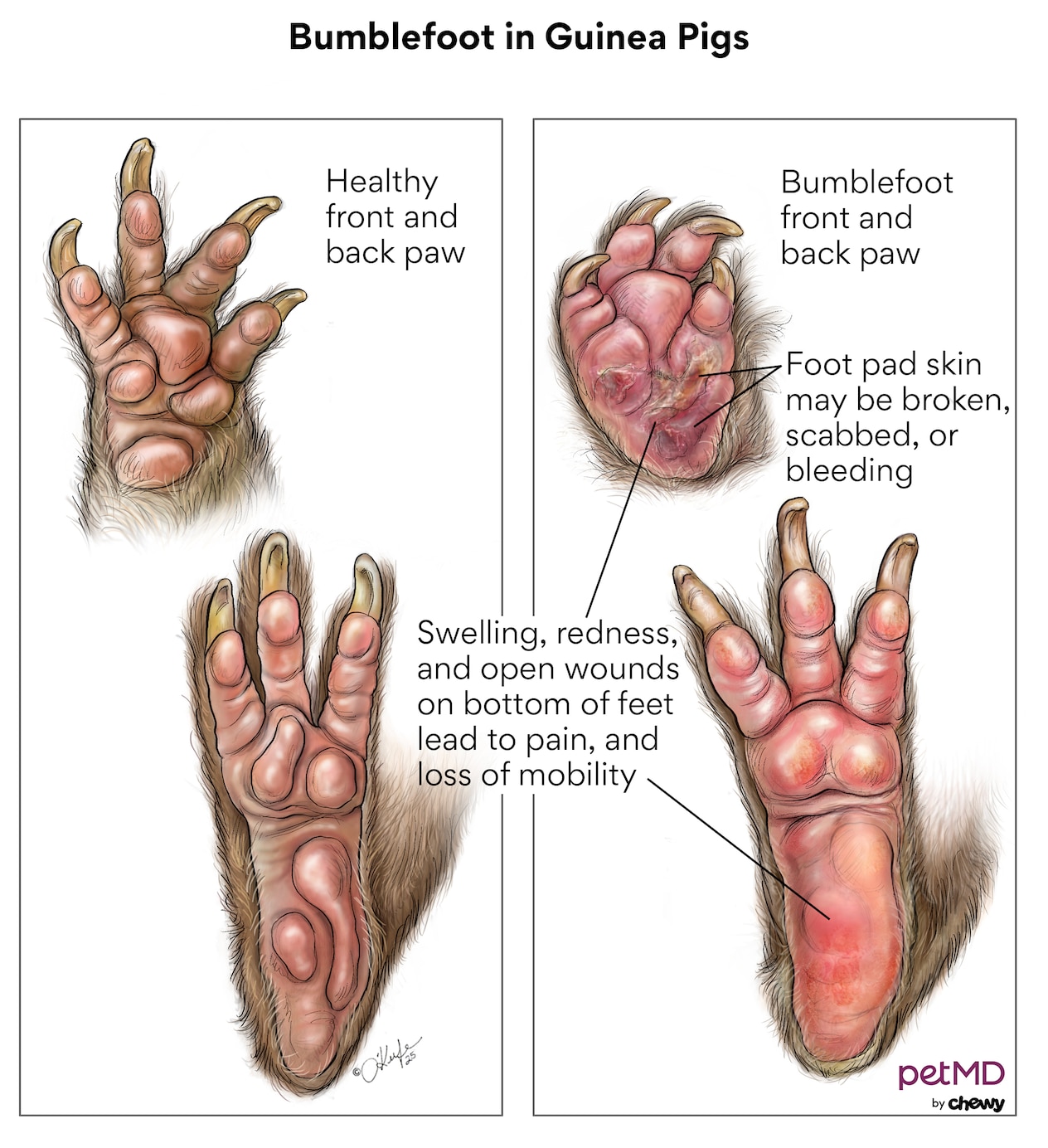
Click here to download this medical illustration.
If the infection or inflammation progresses, it can also:
-
Spread to the bone and cause infection
-
Cause chronic arthritis and lymph node swelling
-
Cause tendon inflammation
-
Allow a buildup of a protein called amyloid in the internal organs
Bumblefoot in guinea pigs can be very painful, and it can also cause your guinea pig to experience:
-
Weight loss
-
Anorexia
-
Lameness
-
Gastrointestinal stasis (when the digestive tract slows down or stops completely, leading to bacterial overgrowth, excessive gas production, and painful bloat)
Bumblefoot is a chronic process that happens over a prolonged period, so it’s not a true sudden emergency.
Signs of emergency include:
-
Your guinea pig is not eating
-
Your guinea pig is lethargic and unable to move easily
-
The foot area appears infected
If you notice any of these signs, it’s important to bring your guinea pig in for emergency medical treatment. If left untreated, bumblefoot in guinea pigs can be fatal.
Symptoms of Bumblefoot in Guinea Pigs
Symptoms of bumblefoot in guinea pigs include:
-
Swelling, redness, or flaky skin of the bottoms/top of feet
-
Cuts, scratches, crusts, scabs or open wounds on feet
-
Limping or decreased mobility
-
Lethargy
-
Weight loss
-
Gastrointestinal stasis
Causes of Bumblefoot in Guinea Pigs
Guinea pigs typically acquire bumblefoot from an inappropriate habitat.
If they are housed on wire flooring without appropriate bedding, or without enough cushiony material, this can cause pressure points on the feet that can cause inflammation. If not corrected, this can progress to cuts and infection.
Soiled bedding can cause weakening of the foot pad skin and cause the skin to get damaged and break down from the exposure to moisture.
This can then cause abrasions, swelling, inflammation, and subsequent infection.
The most common bacteria in bumblefoot is Staphylococcus aureus that enters the foot pad through cuts or wounds.
Guinea pigs that are overweight are at higher risk for bumblefoot because their excess weight puts extra pressure on their feet.
Older and younger guinea pigs are more at risk due to their declining or still growing immune system, but any guinea pig can get bumblefoot at any age.
How Veterinarians Diagnose Bumblefoot in Guinea Pigs
Veterinarians typically diagnose bumblefoot through a physical examination and a detailed review of the guinea pig’s medical history.
They may ask about the guinea pig’s care at home, including:
-
Diet
-
Cage setup
-
Exercise routine
-
Enrichment activities
-
Grooming habits
-
The general cleaning routine of their environment
They might take blood work to look for systemic infection or changes to any internal organ parameters through a blood chemistry test and complete blood count.
X-rays or imaging of the foot help evaluate any bone-related changes such as infection or arthritis. A culture and sensitivity may be sent to the lab to evaluate which bacteria is causing the infection, and what antibiotics would work against it.
It’s important to let your veterinarian know about anything you have done or seen that might help them diagnose the cause of bumblefoot.
Treatment of Bumblefoot in Guinea Pigs
Treatment for bumblefoot in guinea pigs includes environmental changes and medical treatments.
Make sure there is soft, clean bedding that is frequently changed, along with smooth flooring at the bottom of their enclosure. Liners can help provide a comfortable surface as well as keep the enclosure clean. Beddings or liners should be replaced at least weekly, up to daily as needed.
Clean surfaces of the enclosure with a pet friendly all-purpose cleaner or dilute vinegar.
Common medications that your veterinarian might prescribe would be antibiotics, pain medications, topical ointments, bandages, medicated foot baths, and any other medications based on the diagnostics performed.
Vitamin C and hand feeding formula supplementation might also be recommended to help support your guinea pig during the recovery process.
Recovery and Management of Bumblefoot in Guinea Pigs
Bumblefoot in guinea pigs can be curable if there are no permanent changes to the tendons, bones, and joints.
If there are more chronic changes like arthritis, bone infection, or ulceration, it can take months of treatment and improvement in their overall care.
Some guinea pigs may have chronic arthritis moving forward that requires management. If they are severely affected with systemic bacterial infection, it can be very difficult to cure and clear the infection, and some guinea pigs may not survive.
Gentle surgical debridement and bandaging might be required in more severe cases to help the feet heal. To help best manage your guinea pig during this process, it’s very important to:
-
Follow explicit instructions from your veterinarian
-
Spot clean the enclosure daily
-
Remove soiled bedding twice a day
-
Deep-clean the enclosure at least once a week
-
Make any necessary changes to the enclosure, like solid flooring
-
Check the feet daily
-
Administer any medications as directed
Make sure you are monitoring your guinea pig’s activity level, eating habits, urination, and defecation output daily, and alerting your veterinarian right away if anything changes.
Supplemental feeding for guinea pigs that are not eating well, as well as vitamin C supplementation, is a great way to support your guinea pig during this time.
Uncomplicated bumblefoot can clear up in about two to four weeks, while more chronic severe cases can take anywhere from two to six months.
Prevention of Bumblefoot in Guinea Pigs
The best way to prevent bumblefoot in guinea pigs is to make sure their enclosure and diet is appropriate for your pet. Make sure the flooring of their cage is solid and flat with no wire or grate bottoms, because they can cause uneven pressure on the feet.
Providing soft fluffy bedding and fleece mats to provide extra cushion for their feet, as well as changing any soiled bedding as soon as possible to limit them from walking in moisture, is best to prevent bumblefoot.
Trimming toenails every two to four weeks to prevent overgrown nails also helps prevent uneven abnormal pressure on their feet.
Your guinea pig should also always get good nutrition through a vitamin C supplement, pellets, veggies, and unlimited hay.
Keeping your guinea pig a healthy weight through exercise and enrichment, along with following guidelines suggested by your veterinarian, are all helpful in preventing bumblefoot.
Bumblefoot in Guinea Pigs FAQs
How do you treat bumblefoot in guinea pigs?
Bumblefoot in guinea pigs is treated often with antibiotics, pain medications, nutritional support, and correcting any deficiencies found in the enclosure.
What are the stages of bumblefoot in guinea pigs?
Bumblefoot can be mild, moderate, or severe.
Mild presentation can include dry, flaky red feet. Moderate presentation can include cuts, ulcers, and limping.
Severe presentation can include severe limp, infection, severe swelling, and secondary issues like GI stasis.
Can bumblefoot heal on its own?
If bumblefoot is very mild and caught quickly, it can heal on its own. You must be consistent with cleaning the bedding and making sure the flooring is appropriate.
Can you soak a guinea pig in Epsom salt for bumblefoot?
Epsom salt soaks can be used in mild cases of bumblefoot, but it is important to check with your veterinarian first, because salt can cause pain in ulcerated feet.
Povidone iodine soaks might be more appropriate, but also check with your primary veterinarian on this, as overly wet feet can cause skin damage as well.