Abscesses in Chinchillas

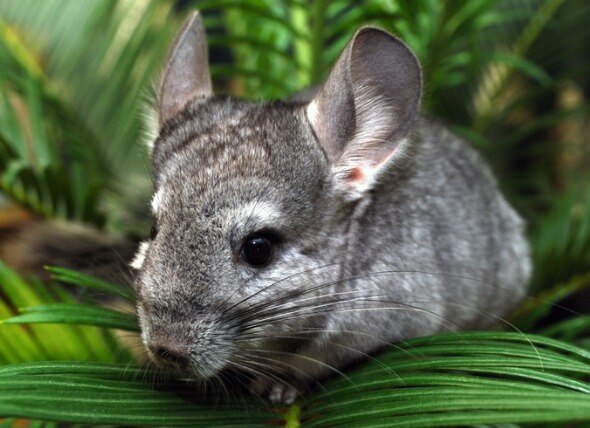
Inflammatory Skin Lesions, Abscesses
When pus collects in a cavity under the skin or in the membrane of an organ, abscesses are formed. In chinchillas, abscesses usually occur following an infection from a bite wounds or other traumatic injuries. These infections may be bacterial, spreading to other areas of the body and causing abscesses to develop there, too. Abscesses need to be treated promptly, as the infection may enter the blood stream, leading to toxemia and, in prolonged and severe cases, even death.
Symptoms
- Slight swelling beneath the fur
- A firm lump or growth
- Pain while touching the growth
- Redness in the area
- Secretion of pus
Causes
Infections due to bite wounds or traumatic injuries are the main causes for abscesses in chinchillas.
Diagnosis
Your veterinarian will conduct a physical examination of the skin lesions to rule out other skin-like cysts, hematomas and abdominal hernias by doing an exploratory puncture of the abscess and identifying the nature of its contents.
Treatment
Ruptured abscesses should be completely drained and flushed with an antiseptic solution recommended by your veterinarian; appropriate topical antibiotic creams may be applied as needed. In the case of abscesses that have not yet ruptured, your veterinarian may advise removing the abscess surgically or applying topical heat producing ointments to it, so as to ripen the abscess and drain it. However, abscesses heal quicker when they are surgically removed. Antibiotic medications are prescribed for both ruptured and nonruptured abscesses in order to prevent the infection from spreading elsewhere in the body.
Living and Management
Consult your veterinarian about the proper form to dress an abscess and its changing schedule. If your pet chinchilla has undergone surgery to remove the abscess, follow the postoperative procedures as recommended by your veterinarian. Also, make sure your chinchilla does not groom the affected area, as it will interfere in the healing process.
Prevention
Promptly treating any injury or trauma to your chinchilla typically prevents abscesses from forming.
Featured image: iStock.com/Savushkin