Intestinal Parasites in Rats

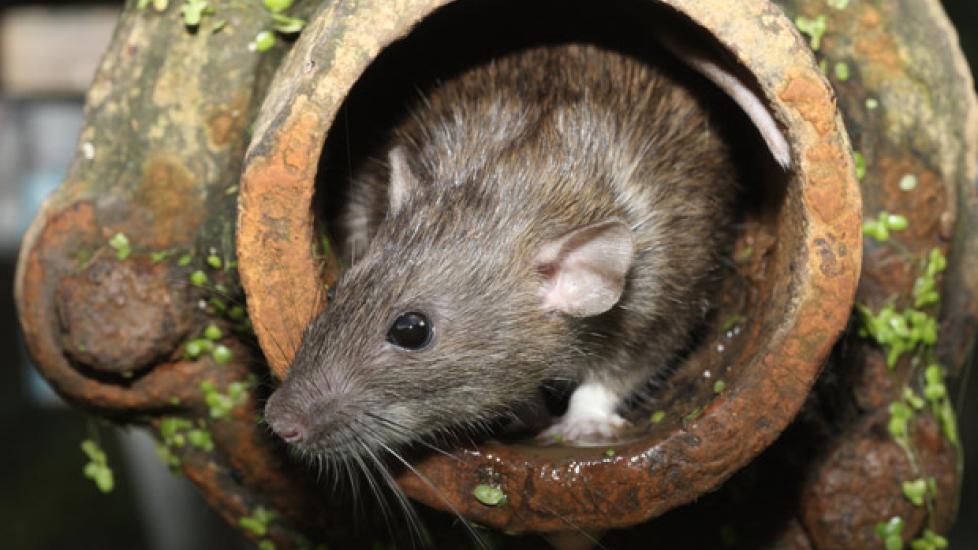
Worms and Protozoa in Rats
Worms, or helminths, are parasites that inhabit the gastrointestinal tract in rats. Intestinal parasites in rats are of two types: helminths and protozoa. Helminths are multicellular worms, like tapeworms, pinworms, and roundworms. Protozoa have one cell and can multiply at a rapid rate. These intestinal parasites infect the digestive system of the rat and sometimes more than one worm type can be seen infecting the same rat.
These worms are mainly spread as a result of poor hygiene, and when rats come into contact with feces from an infected rat, as the eggs are released from the intestinal system through the fecal matter. Intestinal protozoa are known to spread through contaminated feces, but pinworms can also infect rats by way of the respiratory tract, as their eggs are capable of becoming airborne and inhaled. Unhygienic living conditions are the main culprit, when feces is left in the rat's living environment, as is the absence of routine healthcare with regular visits to the veterinarian.
Symptoms and Types
Infection with helminths (worms)
- Diarrhea
- Changes in appetite (loss or increase)
- Weight loss
- Excessive licking and chewing of rectal area and base of tail
- Bits of worm or whole worms in feces
- Severe infection can lead to blockage or perforation of the intestines
- Tapeworm infections can cause liver enlargement by forming cysts in the liver
Infection with protozoa
- Change in appearance of feces
- Diarrhea
- Vomiting
- Weight loss
Causes
Worms, eggs, or protozoa are often transmited through the feces of infected rats and/or infected bedding or litter. Pinworm eggs, meanwhile, are so small that they can be inhaled while floating in the air. Contact with carrier insects like cockroaches, fleas, and beetles can also lead to parasitic infection. Cats are also carriers of tapeworms and can transmit the parasites to rats.
Diagnosis
Pinworms can often be seen near the anal area of the infected rat. Diagnosis is verified by identifying the worms or their eggs through a fecal examination. In case of infection by protozoa, the presence of these single-celled organisms is also verified by analyzing a sample of feces.
Treatment
Your veterinarian will prescribe anti-parasitic drugs depending on the type of intestinal infection your rat is suffering from. Keep in mind that it is possible for a rat to be infected with more than one type of parasite. The drugs your doctor prescribes may be anti-protozoals or anti-helminthic, or both, based on the final findings. The pinworm infection is one of the most difficult intestinal parasites to treat. In addition, it is not easy to detect the pinworm eggs because they are light and may float in air.
Follow your veterinarian’s dosage instruction correctly to completely rid your rat of the intestinal parasites, and take steps to sanitize your rat's living environment so that there is not a recurrence of the infection.
Prevention
It is best advised to disinfect your rat's cage on regular basis so the rat is more secure from intestinal parasites. Some parasites can be passed between species, and in some cases, even to their human caretakers. Familiarizing yourself on parasites that are known to infect domestic animals, along with routine health examinations for all of your household animals, is an important part of protecting your pets from the more severe complications that can result from a parasitic infection.


