Lead Poisoning in Gerbils

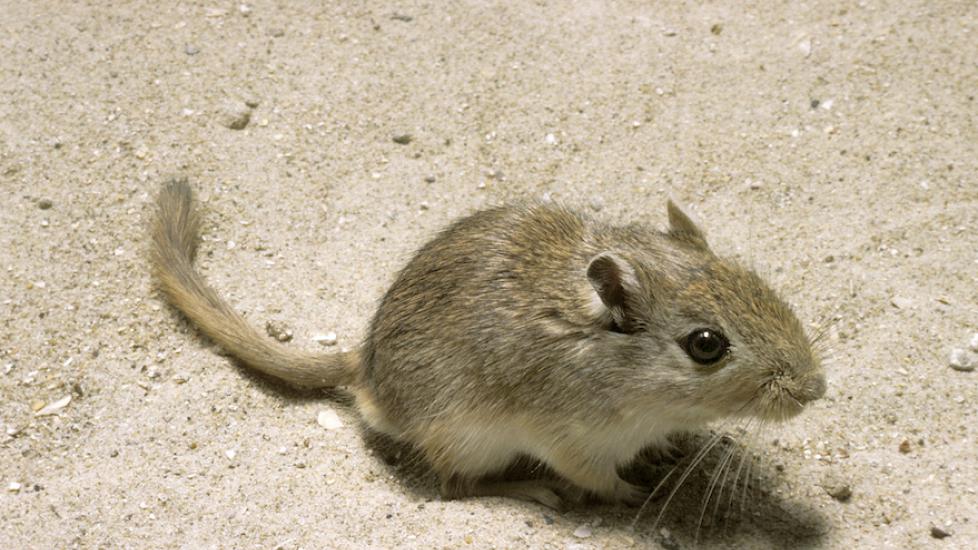
Plumbism in Gerbils
The physical and neurological symptoms exhibited by an animal as the result of chronic lead poisoning are collectively classified as plumbism, a toxic state that occurs as the result of inhaling, ingesting, or absorbing through the skin toxic amounts of lead.
Gerbils can potentially develop lead poisoning by gnawing on objects that contain lead such as metal pipes, wood painted with lead-based paint, or food dishes that are painted with lead based paint. There are also less obvious sources such as lead-based insecticides, linoleum, fishing weights, batteries, and plumbing materials.
Symptoms and Types
- Loss of appetite
- Dehydration
- Weight loss
- Vomiting
- Diarrhea
- Loss of coordination (ataxia), confusion
- Death
Causes
There are numerous household materials that may expose your gerbil to toxic levels of lead, including:
- Linoleum
- Lead-based house paint residues or paint chips
- Plumbing materials and supplies
- Batteries
- Insecticides
- Cages lined with solder or lead paint (not frequently reported)
- Improperly glazed ceramic food or water dishes
Diagnosis
A differential diagnosis may be the best method for making the initial diagnosis. This process is guided by an inspection of the apparent outward symptoms as your veterinarian rules out each of the more common causes until the correct disorder is settled upon and can be treated appropriately. As part of a thorough examination, you will need to provide a history of your gerbil's health leading up to the onset of symptoms. It is therefore essential to make sure that you give an accurate account of your gerbil's history and living conditions to your veterinarian.
A confirmatory diagnosis can be made by taking samples of blood and urine for laboratory testing. The level of lead that is found in the blood and urine will indicate your pet gerbil's level of toxicity.
Treatment
There are specific antidotes that can be given to treat lead poisoning in some cases. Your veterinarian will base this on the level of lead that is found in your gerbil's body. Supportive care will be given by providing care to relieve the symptoms -- loss of appetite and dehydration will be treated with the aid of appetite stimulants, and fluid and electrolyte therapy.
Living and Management
Take steps to remove the source of lead contamination from your gerbil's access. During the recovery period, you may need to adjust your gerbil's normal diet to encourage quick healing and intestinal recovery. Follow the advice given by your veterinarian regarding diet and how you should arrange your gerbil's living space during its recovery from lead poisoning.
Prevention
The best way to prevent the possibility of lead poisoning for your gerbil is to make sure that your gerbil is kept in a room that is free of lead paint (risk of ingesting or inhaling microscopic paint chips is possible even in clean rooms). Removing gerbils from rooms prior to it being fumigated (24-48 hours, at least) is also vital in preventing toxicity.
References
Featured Image: iStock.com/slowmotiongli