How to Become a Dog Trainer

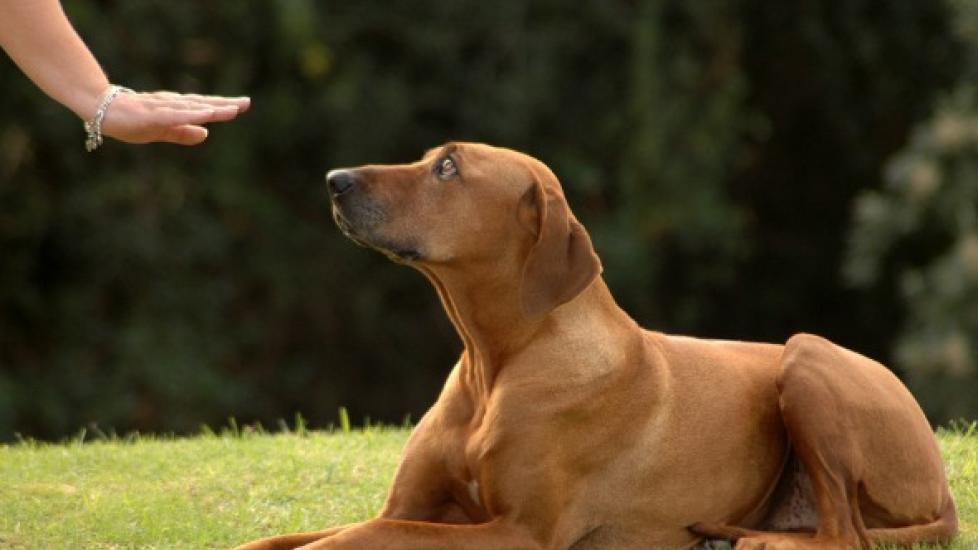
10 Quick Tips on How to Be a Dog Trainer
Have you dreamed of working with animals all your life? Or maybe you've decided you need a career change? Joining the Humane Society or packing your bags for the Peace Corps isn't for everyone, but becoming a dog trainer can be a happy medium -- helping humans and animals alike. Dog training is a skill that is always in demand. Here are 10 quick tips to help you learn how to become a dog trainer and get you on your way.
1. Be patient. It’s not going to happen over night. Becoming a dog trainer (a good one), takes years of dedication and training. You have to really want this.
2. Read, read, read. Books, magazines, training manuals. Get to know the latest techniques and theories on dog training (and of course, dog psychology). The more you know, the better prepared you’ll be when you begin.
3. Practice, they say, makes perfect... and they are right (whoever “they” might be). Practice on familiar dogs. If you don’t already have a dog of your own, then borrow or steal one. (Okay, don’t steal one. People -- and the authorities -- get angry about such things).
4. Volunteer at a local animal shelter. This puts you in close contact with many different types of dogs, giving you an opportunity to observe their behavior towards humans. Eventually, you'll learn what makes dogs tick and why.
5. Volunteer at a dog training school to observe dog trainers in action. This way, you can watch what trainers do, how they handle different personalities in dogs, and how dogs react to being trained.
6. Take classes and seminars. There are plenty of dog training universities and schools listed in the phone book; some online resources even review certain schools. Research and ask around.
7. Go to dog trials and shows. Watch well trained dogs in action and how they’re handled by their people.
8. Do not be afraid of failure. Even the best dog trainers encounter obstacles at some point. Persevere and come at the problem. Patience is a must. You need to understand the basic psychology of a dog and the purpose of its actions.
9. Be a people person. Yes, being good with dogs is important, but remember, to get to the dog you need to be approved of and trusted by the owner. So you'll need to bone up on your people-communication skills.
10. Enjoy yourself. Many beginning trainers become so enthralled with their work that they stop working out of love for the animals. Remember, dogs are excellent judges of character and they won't take too kindly to an angry trainer.
Once you have a grasp on your new vocation, you can strike out on your own -- taking on friends and neighbors as clients. Soon, you’ll be on your way to being a stellar dog trainer. Good luck, and happy training!
Image: Anke van Wyk / Shutterstock