Five Steps to Preventing Dog Separation Anxiety


Back to School Blues
Kids and dogs are often the best of friends. It's no wonder so many dogs get in a tizzy when their diminutive friends go back to school once summer ends. The distress can even lead to separation anxiety in dogs, a psychological disorder of hyper attachment that manifests as barking, crying, urination, defecation, and other destructive signs when the dog is left alone in the house.
Here are five simple steps veterinary behaviorist Lisa Radosta recommends for how to prevent separation anxiety in dogs.

1. Ignore the Dog
Do not pay attention to your dog when he follows you or your family around the house. Many attention seeking behaviors, including dog and puppy separation anxiety, can simply be corrected by ignoring them.

2. Play it Cool
Hide all departure cues from your dog so that he or she can’t begin to associate them with your departure or the departure of your kids.
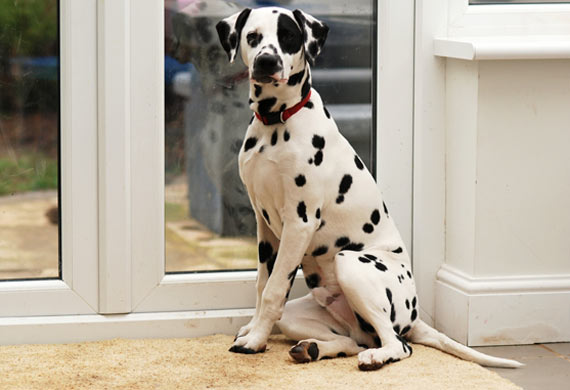
3. Avoid the Meltdowns
Keep your dog from having a full-blown emotional response. This means that he should not be following you to the door when you go to leave. Instead put him in his crate with something really fun to do, well before you or your family are getting ready to leave.
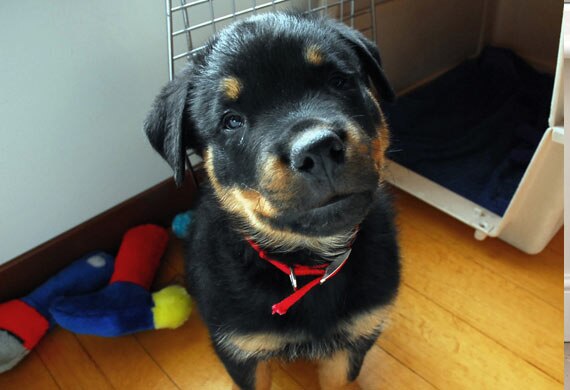
4. Use the Dog Crate
Confine your dog in his crate for 10 to 15 minutes once a day when your family is home. Crate time should be fun, not punishment. This way, time in the crate will not be paired with your family's departure.

5. Make it Fun
Associate your family's departure with something wonderful, like rare dog treats that he only gets at that time of day. Also, always ask your pup to sit before you interact with him. This sets up a predictable, structured relationship between you and your pup and helps him to understand how to get attention from you.
Related Articles


