Dog Safety Guide for Near Drowning in Dogs

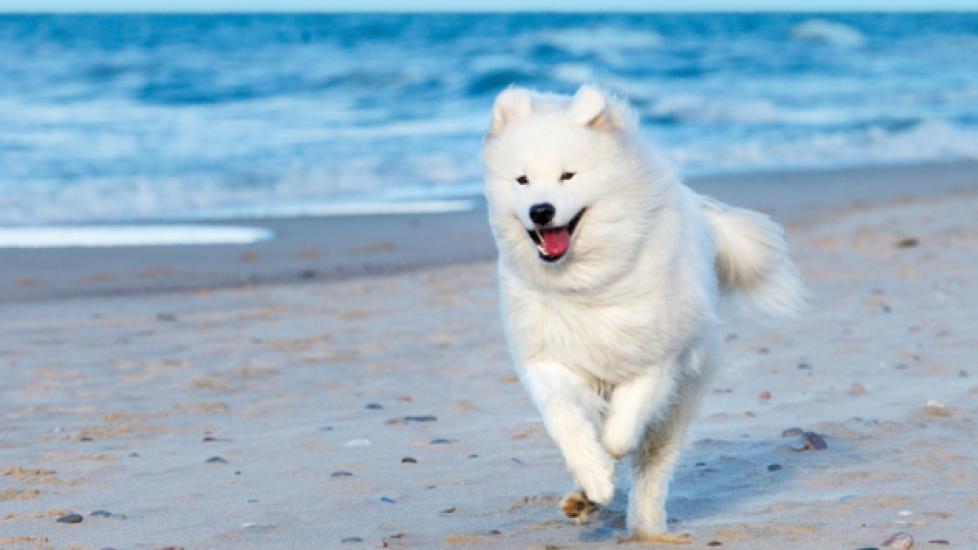
Image via Aleksandr Simonov/Shutterstock
Although we think of them as naturally strong swimmers, dogs can still drown. They may panic in a strong current or become exhausted if trapped in water, particularly dogs in swimming pools, ice holes or rough seas.
What To Watch For
It is vital to ensure your own safety before attempting to rescue a dog in water, especially in open, stormy seas. Do not put yourself at risk.
If deemed safe, try to rescue the dog with a hooked pole through the collar or by approaching the dog in a boat. Only enter the water if there is no other option, and make sure you have something the dog can cling to, which both floats and will take the dog’s weight.
Immediate Care Following a Near Drowning Episode
If the dog is still conscious, get him to solid ground and keep him warm.
If the dog is unconscious or unresponsive:
- Lay him on his side with his head and neck extended, with the head slightly lower than the body.
- Open the mouth and clear any objects or debris.
- Pull the tongue forward and gently push on the chest and stomach. Release pressure and repeat. Keep your hands out of the dog’s mouth to prevent an accidental bite.
- Check for a pulse. The easiest place to find a pulse on a dog is in the inside fold where the rear leg meets the body (femoral pulse). Begin CPR if none is found.
- If there is a pulse but the dog isn’t breathing, give artificial respiration.
- Keep the dog warm while you seek veterinary care.
Veterinary Care After a Dog Nearly Drowns
Any case of near drowning is severe and can lead to life-threatening problems hours after the event. Always take the dog to the vet for a full checkup immediately after a near drowning occurs.
Even if your pet seems fine, drowning can happen hours later. Known as “dry drowning,” fluids can collect in the lungs due to an imbalance in fluids and electrolytes.
Emergency care may consist of oxygen supplementation, diuretics for dogs and electrolyte monitoring, as well as blood pressure monitoring. Assisted ventilation may be necessary.
Dogs can get salt poisoning from ingesting too much seawater. Even if your dog appears fine after nearly drowning in saltwater, bring him to the nearest veterinarian immediately.
How to Prevent Near Drowning in Dogs
Always treat swimming dogs like children: allow them to play, but under close supervision. This is especially true for more dangerous situations, such as thin ice on lakes and ponds or on open seas.
If you have a swimming pool at home, always make sure your dog is supervised outside. Leaving an appropriately sized life preserver floating in the pool is an additional precaution, but is not a guarantee of safety.
Should Dogs Wear Life Jackets?
If your dog is a regular crew member on boating trips, make sure she wears her own dog life jacket.
A better means of preventing accidents is to fence off the pool. Always make sure your dog knows where the pool steps are so that they can get themselves in and out of the pool.


