Posterior Displacement of the Bladder in Dogs

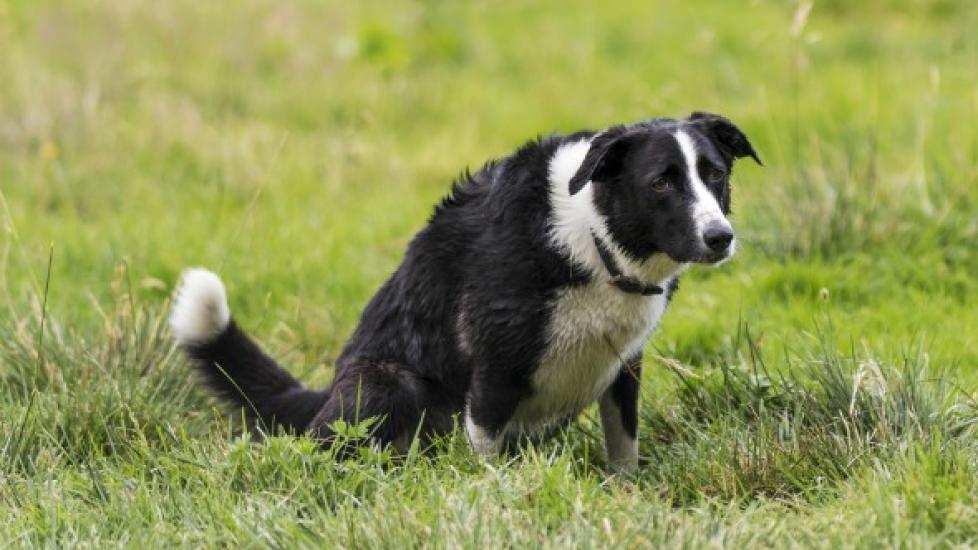
Pelvic Bladder in Dogs
The term "pelvic bladder" involves displacement of the bladder from its normal position and affected size and/or position of the urethra. This condition is usually seen in young intact female dogs with urination problems but some dogs with pelvic bladder don’t show urination problems.
This condition is more common in dogs than cats presumably due to shorter size of urethra in dogs. In addition, it may occur in dogs of both sexes, either intact or neutered, although it is more common common in intact females less than year of age. In male dogs, it is usually detected after neutering.
Symptoms and Types
Some dogs may not exhibit any symptoms, while in others the following may be seen:
- Involuntary urine passing (urinary incontinence)
- Inability to urinate more than a few dribbles at a time
- Urgency to urinate without ability to pass urine
- Urine scalding of tail and adjacent area
Causes
Displacement of bladder from its normal position may be due to a congenital defect (birth defect). It is also thought to be caused by obesity in some dogs, and is generally associated with urologic abnormalities, aside from the obvious incontinence.
Diagnosis
You will need to give a thorough history of your dog’s health, including background history of symptoms. After taking a complete history, your pet’s veterinarian will conduct a complete physical examination. Laboratory tests including complete blood count (CBC), biochemistry profile, and urinalysis will be conducted. If infection is suspected, your veterinarian will take the urine sample and will send it to a laboratory to culture and hopefully identify the causative organism. Urinalysis, meanwhile, may reveal urinary tract infection like presence of pus, blood, bacteria in urine.
Other diagnostic procedures include abdominal X-rays and contrast cystourethrography. Radiographic examination of the urethra and urinary bladder after introduction of contrast medium may reveal a short, widened, or irregularly shaped urethra. Your veterinarian may also perform an ultrasound to examine kidneys and urinary bladder for stones, masses, distention of kidneys, and other abnormalities related to urinary system.
Treatment
In case of underlying urinary infections, your dog’s veterinarian will prescribe antibiotics to treat such infections. The dog will also require surgery to reposition the displaced bladder and urethra. On occasion, antidepressants are used to calm the animal.
Living and Management
You may need to visit your pet’s veterinarian for follow-up examinations to evaluate progress of treatment and identify possible complications. In case of urinary infections, regular antibiotic medication is often required until the infection subsides. Watch your dog for untoward symptoms and call your veterinarian immediately if anything unusual arises. Your veterinarian will also brief you about the side-effects of medications commonly used in these cases.