Why Is My Dog Itching So Much?

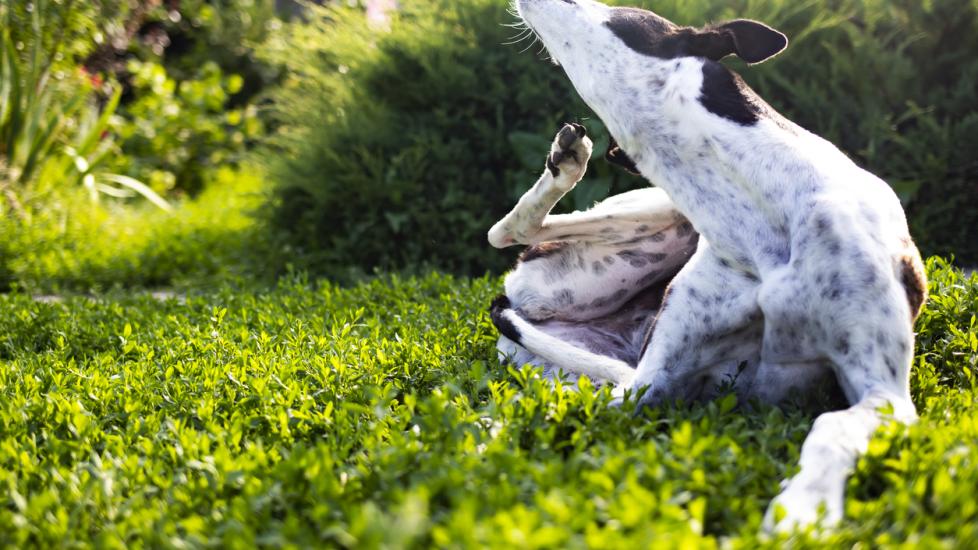
Itchy skin on a dog, also called pruritus, is a symptom of many different conditions. If your dog is itchy, they may scratch, bite, or lick an area repeatedly, or it may seem like their whole body is itchy.
Not only is this nonstop itching uncomfortable for your dog, but it can cause infections if your dog keeps scratching and licking. Here’s what you need to know.
What to Check for if Your Dog Is Itching Constantly
If your dog has hives, a swollen face, lips, or eye, or is panting excessively, see your vet immediately. These could be signs of a severe allergic reaction.
Other than scratching, you may see these signs of itchy skin in dogs:
-
Licking
-
Biting
-
Rubbing
-
Oozing, inflamed skin
-
Stench
If your dog’s skin is oozing or inflamed, or if you smell a strong stench, you also need to see the vet, because these are signs of infection.
Causes of Dog Itching
There are several possible reasons why your dog is excessively itching. Common reasons may include:
-
Bacterial or fungal infections: Bacterial or fungal infections are a common cause of pruritus, with other symptoms including oozing, inflamed skin, a strong stench, and hair loss.
-
Atopic dermatitis: Also called allergic dermatitis, this is often caused by an allergen from the environment, such as from pollen, dander, and plants, so it can be seasonal.
-
Flea allergy dermatitis: This is a type of allergic dermatitis that occurs when fleas inject saliva into a dog’s body. The proteins within the saliva trigger the immune system, causing itching that typically lasts several days. Even one flea bite can cause a reaction.
-
Food allergies: Food allergies are often seen in dogs with year-round itching, and allergic reactions can be tested through a diet trial.
Your pet is unique. So is our expert advice.
Chat our vet team free for tailored pet guidance.


Diagnosing Itchy Skin in Dogs
Your vet will likely recommend a range of testing options, including skin scrapings and blood tests, to determine the underlying cause for itching in your dog.
-
Skin cytology (scrapings): This test involves analyzing a tissue sample under a microscope. The vet will look for mites or infections from bacteria or fungus, such as ringworm.
-
Intradermal testing: In this test, a veterinarian pricks the skin with a small amount of allergen. If the area swells after a half-hour, it means your pet is allergic to that substance.
-
Radioallergosorbent test (RAST): A blood test used to identify environmental allergens such as pollen.
-
Food trial: If food is a suspected allergen, then a vet may suggest a prescription diet (or food cooked at home) without any additional treats. If itchiness subsides, then food may be the culprit.
Treatment of Dog Itching
If you leave itchy skin in dogs untreated, it may lead to new problems, such as hot spots, which are areas of inflamed skin caused by excessive licking and biting. Your pet will also be uncomfortable, and the only way to stop the itching is to see a vet to find and treat the cause.
Over-the-counter treatments should only be given under the guidance of a veterinarian. Depending on the underlying condition, your vet may recommend one of the following options to help get the itching under control:
-
Antibiotics: In the case of bacterial and fungal infections, antibiotics may be prescribed, often taking 21 to 30 days to fully clear skin infections.
-
Insect control: Removing or limiting a dog’s exposure to insects can help in cases of allergic reactions to insect bites.
-
Prescribed diet: If food allergies are suspected, your veterinarian may recommend a special diet. This may mean trial and error to find the right food.
-
Steroid medications: Medications such as glucocorticoids are highly effective but can have side effects such as increased hunger and thirst; these medications are usually prescribed for short periods.
-
Anti-itch medication: Cyclosporine, oclacitinib, and essential fatty acids are common medications prescribed to dogs for symptom management.
-
Antihistamines: While using antihistamines for treating itchiness is common, studies have not established it as a reliably effective treatment for dogs.
-
Dog shampoos: Your vet may recommend over-the-counter dog shampoos to help with itching in the short-term.
Dog Itching FAQs
Can stress cause itching in dogs?
Yes, stress can cause short-term itching in dogs. Taking your dog for a walk or playing with them may help relieve symptoms.
How can I relieve my dog’s itching?
In addition to following your veterinarian’s recommendation for treatment, bathing your dog can help, particularly if your dog has atopic dermatitis.
Why is my dog so itchy but has no fleas?
Itchiness can be caused by infection or allergies in the air, such as pollen, dander, or plants. You may not be able to see the fleas, or a single flea bite could have caused the reaction. Taking your dog to the veterinarian will help rule out causes and provide the necessary care.
References
Moriello, K. Itching (pruritus) in dogs. Merck Veterinary Manual. April 2022.
Pruritus diagnostics in dogs and cats. Veterinary Information Network. February 2020.
Featured Image: iStock.com/Oksana Restenko