Pneumonia in Dogs: Symptoms, Causes, and Treatment


Sanja Radin/E+ via Getty Images
Pneumonia in dogs is relatively common and generally occurs secondary to various types of infection.
Symptoms of pneumonia in dogs vary widely, but can include difficulty breathing, coughing, and lethargy.
Without treatment, pneumonia can progressively worsen.
If you think your dog may have pneumonia, call your vet immediately to get an accurate diagnosis and to start treatment to ensure the best outcome.
Key Takeaways
- Pneumonia in dogs is a serious condition characterized by lung inflammation and fluid buildup that can severely impact breathing and often requires immediate veterinary care.
- The condition can be caused by various factors, including aspiration, bacteria, viruses, fungi, and parasites, with dogs in high-risk environments or those with weakened immune systems being more susceptible.
- Diagnosis involves physical exams and advanced imaging or lab tests, and treatment typically includes extended care with antibiotics or antifungals—though coughing should not be suppressed, as it helps clear the lungs.
Summary
Pneumonia in dogs is the irritation and inflammation within a pup’s lungs that results in the buildup of fluid within its air sacs.
This compromises the normal exchange of oxygen and carbon dioxide within the lungs, resulting in difficulty breathing.
Pneumonia ranges from mild symptoms that affect small parts of the lungs to complete respiratory distress and an inability to breathe normally.
Many cases of pneumonia in dogs require veterinary intervention immediately and should be treated as an emergency.
Types of Pneumonia in Dogs
The most common types of pneumonia in dogs include the following:
-
Bacterial pneumonia. This type of pneumonia is caused by bacteria, such as Bordetella bronchiseptica. It’s common among dogs who are often in frequent, close contact with other dogs (such as in boarding facilities).
-
Viral pneumonia. Caused by viruses, this type of pneumonia is common among unvaccinated dogs because they lack vital protection among the many viruses that can contribute to this infection, such as canine distemper.
-
Fungal pneumonia. This infection results when dogs inhale fungal spores and they cause inflammation in the dog’s respiratory tract. Blastomycosis is a type of fungal pneumonia.
-
Parasitic pneumonia. Parasites, such as lungworms, can migrate to the lungs and create inflammation and infection.
-
Aspiration pneumonia. If a dog accidentally inhales vomit or food, it can cause inflammation within their lungs. This type of pneumonia is common in dogs undergoing anesthesia since their normal reflexes are inhibited.
Health Tools
Get quick answers with our vet-created Symptom Checker
Symptoms
Pneumonia in dogs causes many symptoms, ranging from mild to severe.
The most common symptoms of pneumonia in dogs include:
-
Blue gums (cyanosis)
Causes
Pneumonia in dogs has several causes, and often a dog can have multiple types of pneumonia at once.
Pneumonia can result from any of the following:
-
Inhaling foreign materials, such as food or vomit
-
Contracting a bacterial or viral infection through close contact with another dog
-
Inhaling fungal spores from the soil or the environment
-
Ingesting or inhaling parasite larvae or eggs from feces, soil, rodents, or contaminated water
Diagnosis
Vets perform several diagnostics to diagnose pneumonia in dogs,
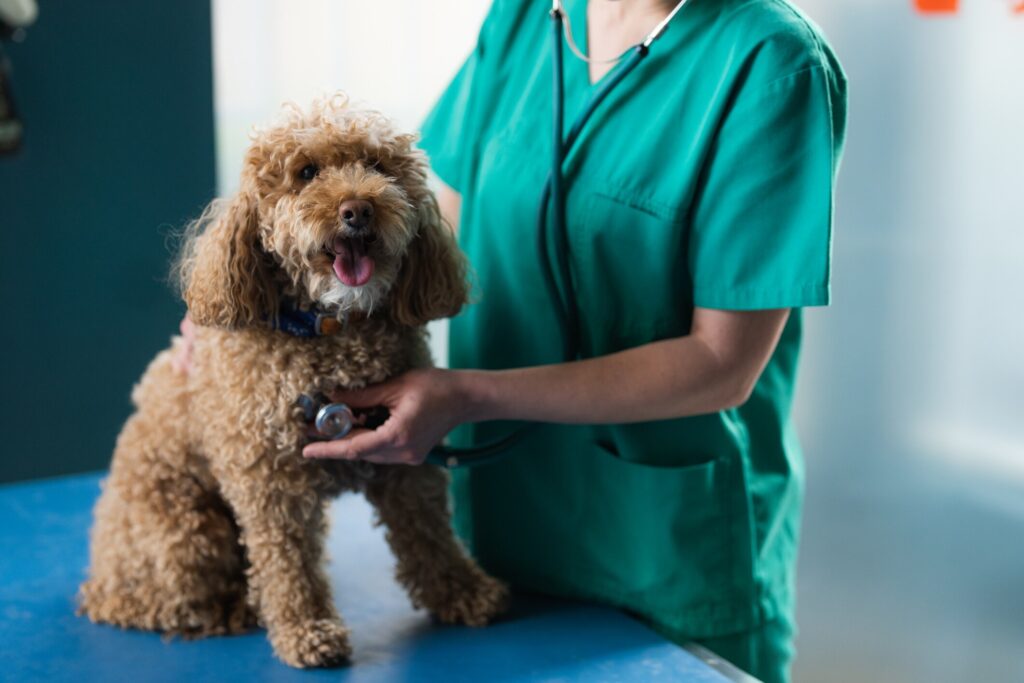
Typically, a vet will start with a physical exam and listen to a dog’s lungs with a stethoscope.
Fluid in the chest may sound like crackles, wheezes and pops. Occasionally, the lungs are only quieter than normal. This symptom, combined with coughing or difficulty breathing, may lead a veterinarian to recommend additional diagnostic tests.
Additional tests to help diagnose pneumonia in dogs include:
-
X-rays. By using X-rays, a dog’s lungs can be viewed to identify abnormalities, such as fluid or inflammation.
-
PCR testing. A sample of fluid is collected from your dog’s respiratory tract through a transtracheal wash or bronchoalveolar lavage. This fluid is sent to a laboratory to identify the presence of bacteria or viruses causing the infection.
-
Blood work. A small sample of blood is collected from a dog’s vein to identify signs of infection. It can also be used to check how well the dog is oxygenating his blood.
-
Pulse oximetry. A small device is placed onto your dog’s skin, generally on their ear or paw pad, to check the oxygen saturation of the blood. This tells your veterinarian whether your dog’s body is getting enough oxygen.
-
Bronchoscopy. Your dog is put under general anesthesia, and a small, thin tube is placed inside the mouth and gently guided down through the dog’s respiratory tract. This allows a veterinarian to check for areas of inflammation and collect fluid samples that can be tested to determine the underlying cause for the pneumonia.
Treatment
Treatment for pneumonia in dogs is determined based on the underlying cause.
Many dogs with pneumonia also require hospitalization and supportive care to improve their condition.
Potential treatments that may be given to a dog with pneumonia include:
-
Oxygen therapy
-
Breathing treatments, like Albuterol 0.083% (Generic) Nebulizer Inhalation Solution
-
Antibiotics, such as doxycycline
-
Antifungals, such as itraconazole
-
Bronchodilators, such as terbutaline
Recovery and Management
Most veterinarians recommend the continuation of treatment for at least a week after resolution of clinical signs of pneumonia in dogs—using both patient symptoms and X-ray evidence.
Veterinarians do not typically recommend cough suppressants for dogs recovering from pneumonia. Coughing is the body’s natural way to remove the infection and fluid within the airways.
Dogs recovering from pneumonia benefit from a warm, dry environment. Always provide fresh, clean water (like from a bowl and/or water fountain) to encourage your dog to drink water and stay hydrated.
Bring your dog to all veterinary follow-ups to monitor the dog’s condition and ensure treatment is working.
Additionally, give your dog any at-home medications exactly as prescribed by the veterinarian to promote a quicker recovery.
Pneumonia in Dogs FAQs
What is the survival rate for dogs with pneumonia?
The survival rate for dogs with pneumonia is generally good provided a diagnosis is made early and treatment is initiated promptly. The more severe a dog’s condition is at the time of diagnosis, the worse the prognosis is.
Is dog pneumonia contagious?
Dogs who have bacterial or viral infections can spread them to other dogs, which can result in pneumonia. Fungal pneumonia and aspiration pneumonia, however, are not contagious between dogs.
Can dogs get pneumonia from humans?
Dogs can’t get pneumonia from humans. The bacteria and viruses that cause infections in dogs are different from those that are found in humans.
How can I help a dog with pneumonia at home?
Provide a warm, dry environment for your dog to rest comfortably in and always ensure access to fresh, clean water. Administer all medications prescribed by your veterinarian and bring your dog to all follow up visits to promote a smooth recovery.
References
- Dear JD: Bacterial pneumonia in dogs and cats: an update. Vet Clin North Am Small Anim Pract 2020 Vol 50 (2) pp. 447-465.
- Tilley LP, Smith FWK. The 5-Minute Veterinary Consult: Canine and Feline. Lippincott Williams & Wilkins; 2005
- “Veterinary Information Network®, Inc.” VIN.com, 29 June 2005, www.vin.com.


