Kennel Cough in Dogs: Symptoms, Causes, and Treatment



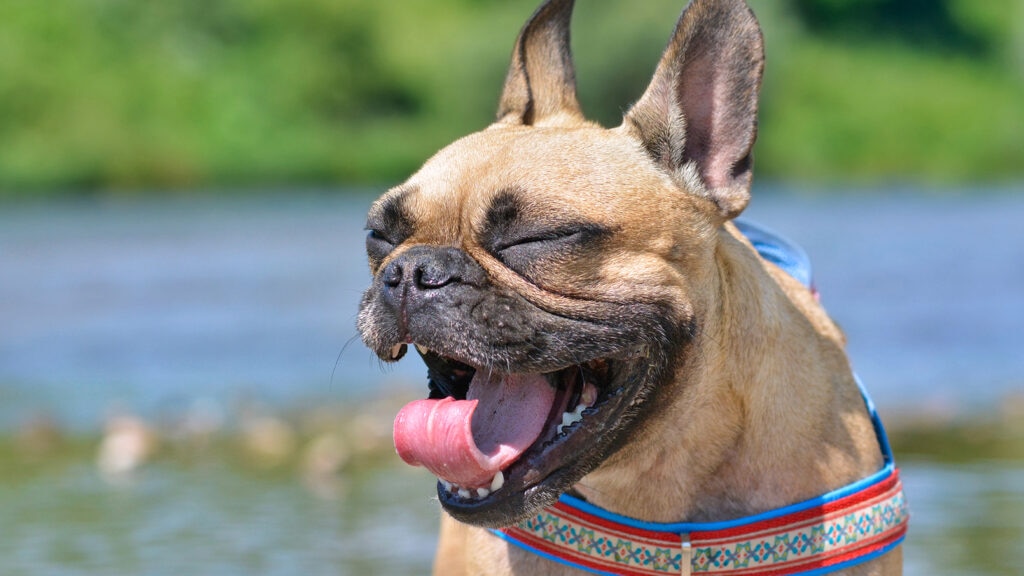
gilaxia/E+ via Getty Images
Kennel cough occurs most often in dogs who have recently boarded, gone to doggy daycare, or been groomed in a facility where they have been exposed to other dogs.
Key Takeaways
- Kennel cough is a common respiratory disease in dogs.
- The first sign of kennel cough in dogs is usually a honking cough.
- Kennel cough is not contagious to humans but rapidly spreads from dog to dog. Consider talking with your vet about the kennel cough vaccine, especially if your dog frequently boards or goes to doggy daycare.
Summary
Kennel cough, also called canine infectious respiratory disease (CIRD), is a common canine respiratory infection. It is highly contagious and readily spreads from dog to dog.
To treat kennel cough in dogs, your vet may prescribe cough medication to help your dog get more sleep at night. Often, additional treatment for kennel cough is not necessary.
Kennel cough in dogs leads to a honking cough that can persist for days to weeks.
Kennel cough in dogs is generally not considered a medical emergency—many cases may resolve without veterinary intervention.
Symptoms
Symptoms of kennel cough in dogs may include:
-
Coughing
-
Runny nose or eyes
-
Vomiting (less common)

Causes
Kennel cough in dogs can be caused by several different viruses and bacteria—often more than one at the same time.
The following pathogens have all been linked to kennel cough:
-
Canine adenovirus type 2
-
Canine parainfluenza virus
-
Bordetella bronchiseptica
These viruses and bacteria are readily spread from dog to dog by airborne particles when dogs cough, or by contaminated food and water bowls, shared space, or even people who pet an affected dog and then pet a healthy dog.
Kennel cough can affect dogs of any age, gender, or breed.
Brachycephalic breeds with shorter muzzles, like English Bulldogs, French Bulldogs, and Pugs, are more likely to experience severe symptoms because their airways may already be compromised.
Spending time in places where several dogs are kept together, like boarding facilities, grooming establishments, and doggie daycares, can increase your dog’s risk of contracting kennel cough.
Diagnosis
When it comes to how to treat kennel cough, it is usually diagnosed by a combination of history and clinical signs.
Your vet will want to hear your dog coughing. If possible, bring a video of them coughing at home in case they don’t cough while they’re in the vet clinic.
Let your vet know if your dog is lethargic or is not eating well. Your veterinarian may recommend chest X-rays to evaluate your dog’s lungs.
Kennel cough in dogs is generally not considered a medical emergency—many cases may resolve without veterinary intervention.
They may also recommend a nasal swab to send off for polymerase chain reaction (PCR) testing or a culture to determine the underlying cause of your dog's infectious respiratory disease.
Treatment
To treat kennel cough in dogs, your vet may prescribe cough medication, like Cough Tablets, to help your dog get more sleep at night.
Often, additional treatment for kennel cough is not necessary. Some dogs may need antibiotics, like doxycycline, if they have signs of a bacterial upper respiratory infection, like green-yellow nasal drainage, lethargy, or decreased appetite.
Fortunately, kennel cough is curable and usually resolves after 10 to 14 days of rest.
Recovery and Management
Most dogs will recover from kennel cough after a week or two. It’s important to keep your dog at home and keep them away from other dogs for at least two weeks after they’ve stopped coughing. This should help reduce the spread.
However, puppies and senior dogs have a higher risk of complication due to kennel cough because of their immature and compromised immune systems. If you have a puppy or a senior pup, contact your vet for next steps related to their health,
Management of kennel cough mostly involves supportive care.
Closely monitor your dog's food and water intake while they are recovering. Some pets may need a little enticement to promote a good appetite while their body is fighting a virus.
Probiotics, like Purina FortiFlora or Nutramax Proviable, may help keep their immune system and gut healthy during recovery.
Repetitive dog coughing can dry out the airways, so it may be helpful to keep your dog in the bathroom while you shower so they can benefit from the steam.
Prevention
Preventing kennel cough in dogs includes considering the kennel cough vaccine and avoiding exposure.
The kennel cough vaccine, also referred to as the Bordetella vaccine, protects against Bordetella bronchiseptica, one of the leading causes of kennel cough.
While the Bordetella vaccination can decrease your dog's risk of contracting kennel cough, it’s still possible for them to become infected with another pathogen.
The best way to avoid kennel cough is to prevent your dog from being exposed.
Avoiding places where many dogs are housed together is the easiest way to minimize their risk. Doggy daycares and boarding facilities are often crowded environments where dogs are more likely to spread respiratory illness to one another if one dog is affected.
If you do board your dog, ensure that the business requires a Bordetella vaccination certification for all dogs boarding the facility.
You can also consider using an in-home pet-sitting service to help prevent possible exposure to kennel cough.
Kennel Cough in Dogs FAQs
How do you treat kennel cough in dogs?
Kennel cough is treated primarily with supportive care and cough suppressants; however, some dogs require antibiotics.
Will kennel cough go away on its own?
Kennel cough often resolves on its own after 10 to 14 days.
What are the first signs of kennel cough in dogs?
The first sign is usually a honking cough.
Is kennel cough contagious to humans?
No. Kennel cough is not contagious to humans, but the virus rapidly spreads from dog to dog.
Should I bring my dog to the vet for kennel cough?
While most cases of kennel cough can be resolved on their own, if your dog is lethargic, has developed colorful nasal discharge or a productive cough, appears to be struggling to breath or any other severe signs, contact your vet for an appointment. Additionally, senior dogs and puppies are at risk for complications developing, so it’s important to seek vet care if they develop any signs of kennel cough.


