Perineal Hernia in Dogs

When the muscles in the pelvic diaphragm of an animal fail to provide necessary support, a hernia can develop causing a great amount of pain and discomfort. A hernia of the perineal area is more common in dogs than in cats, and in males rather than in females. Treatment often involves surgery and then prescription drugs to ease the animal's pain.
Symptoms and Types
Physical symptoms can include swelling of the perineal area, protrusion from the pelvis or surrounding areas, and the inability to control the bowels.
Causes
While a hernia of the pelvic diaphragm can develop in any breed of animal, they are much more common in the following breeds:
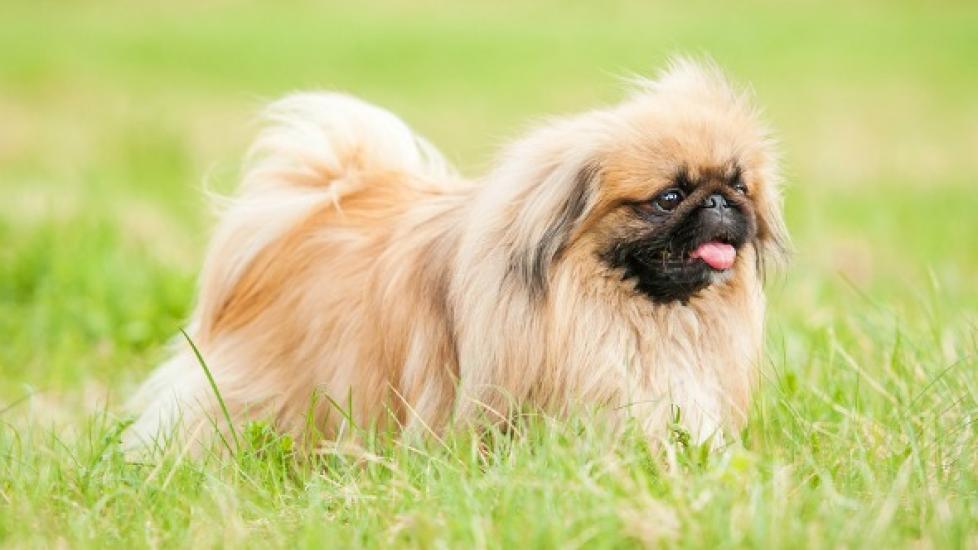
- Pekingese
- Boston Terrier
- Welsh Corgi
- Dachshund
- Boxer
- Kelpie
- Collie
- Old English Sheepdog
A hernia of the perineal region is more common in older animals than in younger as the region of the animal's body becomes weaker over time. It is not completely understood as to why this particular region of an animal's body becomes weaker, but there is some thought that hormones may be a factor. Another underlying cause for this type of hernia is prostatic disease or cancer. Other possible causes can include colorectal disease and atrophy of the pelvis.
Diagnosis
A rectal examination of the animal can identify several possible causes of the diaphragm hernia, including tissue disease in the anal area, inflammation of the anal area, and inflammation of the urinary tract. X-rays and ultrasounds are also often used to view the damaged area. This ensures that there are not any more serious underlying causes of the problem, and allows the veterinarian to view the internal area surrounding the hernia.
Treatment
Surgery is often recommended to repair the hernia damage, but only for animals that are in stable condition. Following surgery, the rectum is very sensitive, and laxatives, stool softeners, and enemas may help not only maintain stool consistency, but improve the comfort of the animal when defecating.
Living and Management
There is a high incidence of infection associated with this type of surgery, so extreme attention to recovery care is recommended afterwards. Common surgical complications can include infection, fecal incontinence, recurrence, and full or partial paralysis of the nerve endings surrounding the surgical site.
Prevention
This disease is extreme rare for dogs that are neutered, so full castration is a preventative measure. No other means of prevention are currently known.