Elevated Sex Hormones in Dogs

Hyperandrogenism in Dogs
Hyperandrogenism in dogs is a rare syndrome characterized by elevations of masculinizing sex hormones such as testosterone and its derivatives in the blood serum. It is most frequently documented in intact male dogs.
In males, androgens are produced by the interstitial cells (cells in the small spaces between tissue) of the testes and are responsible for normal male sexual development. Androgens promote masculine behavior and physical development, such as spermatogenesis – the formation of sperm. Androgens include the steroid hormones testosterone, androsterone, and dihydrotestosterone, which is a derivative of testosterone and a biologically-active metabolite (substance essential to the metabolic process).
Dihydrotestosterone is formed primarily in the prostate gland, testes, hair follicles, and adrenal glands. Androgens are also produced by the adrenal cortex (situated along the perimeter of the adrenal gland near the kidneys), and by the ovaries in females.
Hyperandrogenism may occur as a result of excessive hormone production by the testes, ovaries, or the adrenal cortex. The latter may occur secondary to dysfunctional enzyme activity. Hyperandrogenism may also occur in association with the administration of synthetic androgens.
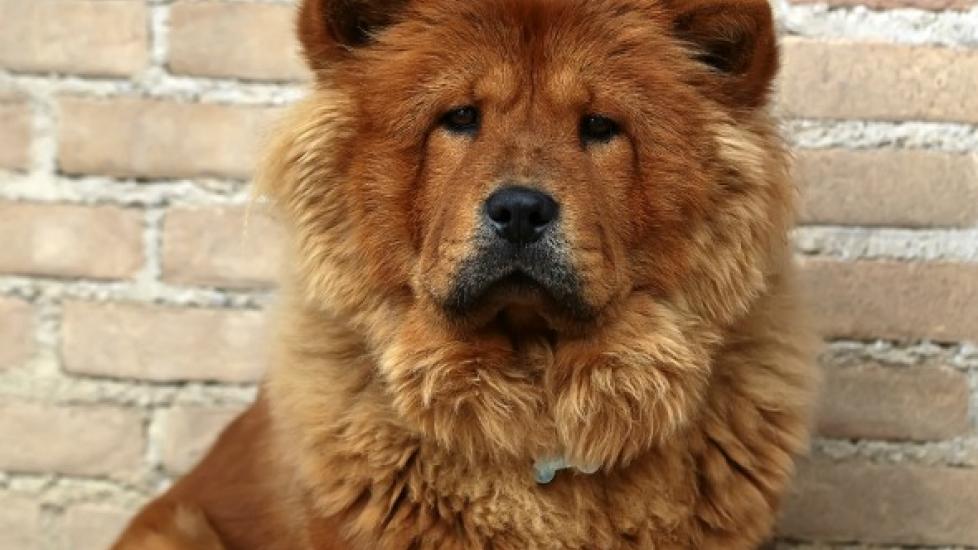
Hyperandrogenism may be symptomized by behavioral changes, abnormalities of the reproductive tract, and skin problems. This disorder tends to occur in Pomeranians, Chow Chows, Poodles, Keeshond, and Samoyeds.
Symptoms and Types
- Aggression
- Stunted growth
- Hair loss – bilaterally symmetrical, involving the neck, trunk, caudal thighs, outer part of the ear, and tail
- Dry, brittle hair
- Hyperpigmentation of the skin
- Dandruff
Female
- Vaginitis (infection of the vagina)
- Irregular estrous cycles (cycles of “heat” in females)
- Prolonged anestrus (the period of time between estrus; resulting in non-reproduction due to lack of “heat”)
- Virilization (development of male characteristics – significant in female dog)
- Clitoral hypertrophy (excessive size of clitoris)
- Abnormal sexual differentiation (with exposure in utero)
Male
- Prostatomegaly (over-sized prostate)
- Abnormalities of sperm morphology (the size and shape of the head, midpiece and tail)
- Circumanal gland hyperplasia – proliferation of cells in the sweat and sebaceous glands
- Prepubertal (occurring before sexual maturation)
- Premature growth plate closure (body stops growing before reaching full size)
Causes
- External administration of androgens
- Increased internal androgen secretion
- In female, exposure of fetus in utero to androgens
- Testicular tumor (most commonly, secondary to a testicular tumor in the spaces in the testes)
Diagnosis
Your veterinarian will perform a complete physical exam on your dog, including a blood chemical profile, a complete blood count, an electrolyte panel, and a urinalysis, in order to rule out an underlying metabolic cause for the disease, such as hypothyroidism, hyperadrenocorticism, or hyperestrogenism. A complete neurologic exam will also be performed if your dog is behaving abnormally. You will need to be prepared to give your veterinarian a thorough history of your dog's health, onset of symptoms, and any genetic background that you are familiar with, in case there is a genetic link. It will also help if you know the health status of your dog's maternal parent, during and after pregnancy, in case the disorder was acquired before birth.
Abdominal radiography or ultrasound imaging can be used to visualize the interior space of the abdomen for masses or gonadal tissue, both of which may be a leading cause for hyperandrogenism.
In addition, there are several tests that may be used to make a conclusive diagnosis: A karyotype, or chromosome analysis, may be used to detect intersex/gonadal sex abnormalities; serum samples will be taken for evaluation of sex hormones; growth hormone stimulation test; serum testosterone concentration test; an adrenocorticotropic hormone (ACTH) stimulation test to measure the adrenal response to ACTH (which is a hormone produced in the pituitary gland); and a test of the cortisol-creatinine ratio in the urine to rule out hyperadrenocorticism. Results may be variable.
Treatment
Surgical neutering of intact animals is recommended, and surgical excision of any testosterone-secreting masses or neoplastic (abnormal) tissue should be performed. Controlled destruction of the adrenal gland can also be undertaken. Growth hormones may be administered, but the treatment will depend on the particular underlying cause of your dog's hyperandrogenism.
Living and Management
After the initial treatment has brought your dog's condition under control, your veterinarian will schedule follow-up appointments in order to follow the progress and to treat any further complications or underlying disorders. Your veterinarian may repeat the ACTH stimulation tests and blood tests to verify serum testosterone if it was initially high, along with standard physical exams to assure that your dog is recovering from the effects of the hyperandrogenism.