Adverse Reaction in Dogs to Glow Stick Jewelry

Dibutyl Phthalate Ingestion in Dogs
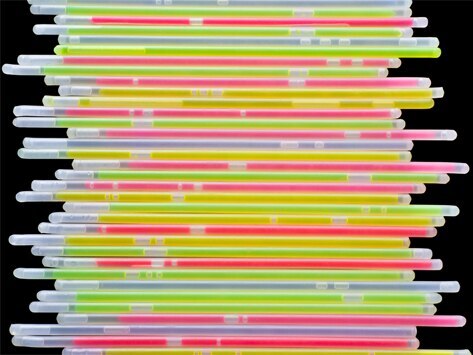
Glow sticks and glow jewelry are available as bracelets, necklaces and wands. They contain a chemical that glows in the dark and are particularly popular around the July 4 holiday and Halloween. However, when chewed or ingested by your dog, the chemical inside of the sticks and/or jewelry cause an intense reaction to the taste of the chemical.
This adverse reaction associated with glow jewelry can affect both dogs and cats. If you would like to learn more about how it affects cats, please visit this page in the petMD health library.
Symptoms and Types
When dogs bite into or ingest glow jewelry or glow sticks, the chemical dibutyl phthalate causes an intense taste reaction. Symptoms seen include:
- Drooling
- Pawing at the mouth
- Agitation/irritation
- Vomiting (rare)
Other than the reaction to the bad taste, glow sticks and glow jewelry are generally not toxic.
Causes
It is the dibutyl phthalate chemical found in glow sticks and other glow jewelry which may cause adverse reactions in dogs and that dogs find offensive.
Diagnosis
In addition to taking the dog's medical history, a veterinarian will observe your dog for signs and symptoms associated with ingesting dibutyl phthalate.
Treatment
Generally, no treatment is needed for dogs that ingest glow jewelry. However, providing water or food to diminish the taste of the glow stick/jewelry can be useful in alleviating symptoms. Washing the chemical off of your dog’s fur and skin with shampoo and water is recommended also. Taking your pet into a darkened room can help you locate the chemical on your dog’s fur and skin to aid in removal.
Prevention
The best way to prevent accidental ingestion is to keep glow sticks and glow jewelry out of your dog's reach.