Dog Dementia: Symptoms, Causes, Treatment and Life Expectancy

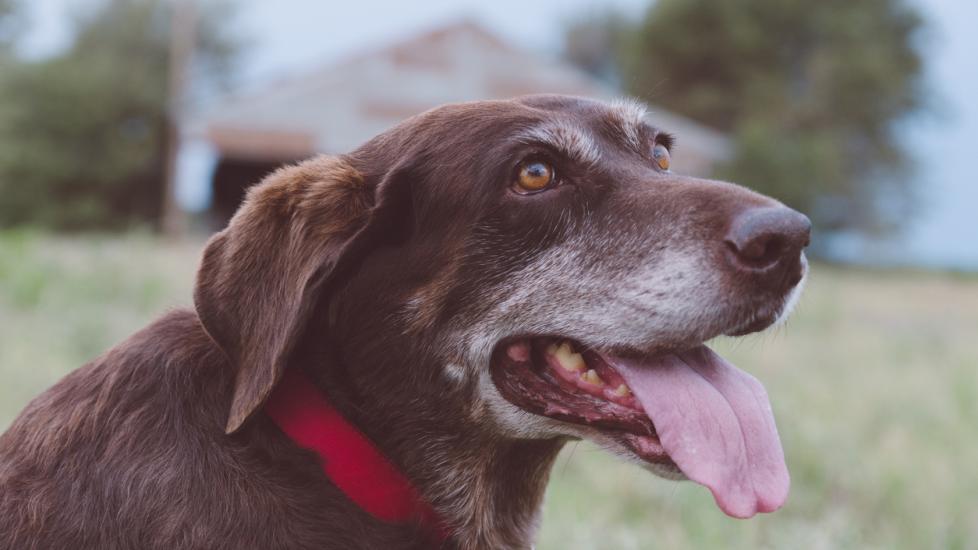
Canine cognitive dysfunction syndrome (CCD or CDS) is a condition related to the aging of a dog's brain, which ultimately leads to changes in awareness, deficits in learning and memory, and decreased responsiveness to stimuli. This syndrome in dogs has been compared to dementia or Alzheimer's in humans.
Although the initial symptoms of the disorder are mild, they gradually worsen over time, beyond what can be expected with normal aging. These pets experience “cognitive decline” which is the slow decrease in the brains ability to perform normal tasks. In fact, clinical signs of cognitive dysfunction syndrome are found in nearly one in three dogs over the age of 11, and by the age of 16, nearly all dogs display at least one sign.
Here’s everything you need to know about dog dementia, from the symptoms, causes and life expectancy to treatment and prevention.
Health Tools
Not sure whether to see a vet?
Signs of Dementia in Dogs
These are the most common symptoms of dementia in dogs:
-
Disorientation/confusion
-
Getting stuck going around objects
-
Not recognizing familiar people or pets
-
Staring blankly at walls
-
Pacing
-
-
Changes in behavior
-
Extreme irritability
-
Decreased desire to play
-
Excessive licking
-
Lack of self-grooming
-
Loss of appetite (anorexia)
-
-
Anxiety/restlessness/Impaired memory
-
Seeming disregard for previously learned training or house rules
-
Slow to learn new tasks
-
Inability to follow familiar routes
-
Fecal and urinary soiling in the home
-
-
Changes in sleep cycle
-
Night waking
-
Night vocalization
-
Night pacing
-
Causes of Dog Dementia
The exact causes of CCD are not known, but many of the same changes that cause problems as people age are likely to also cause problems as our pets age. Scientists are studying CCD and its similarities to Alzheimer's. Research is ongoing and new developments are constantly coming to light as we study the aging of our canine companions, but here is some of what we do know.
As dogs age, the brain atrophies, meaning that the cells die. This especially affects the portion of the brain responsible for learning and memory (the cerebral cortex) and the areas responsible for coordination (the cerebellum).
Research has also found that dogs with CCD have an abnormal protein (beta amyloid) building up in their brains. This protein buildup has been shown to cause decreased nerve signaling in the brain. In dogs with CCD neurotransmitters, which help the brain to send signals, are also degraded by high levels of a compound called monoamine oxidase B (MAOB).
Dogs with epilepsy and dogs that lead a sedentary lifestyle have also been shown to be at a higher risk for developing CCD.
How Veterinarians Diagnose Dementia in Dogs
You will need to give a thorough history of your dog’s health to your veterinarian, including the onset and nature of the symptoms and possible incidents that might have precipitated the unusual behaviors or complications.
They will then perform a complete physical examination to evaluate your dog’s overall health status and cognitive functions. Routine blood tests, thyroid testing, ultrasounds and X-rays are also employed to rule out other diseases that may lead to behavioral changes associated with canine cognitive dysfunction syndrome. Your veterinarian may also recommend advanced imaging like an MRI or CT scan.
Treating Dog Dementia
Dogs with canine cognitive dysfunction syndrome require lifelong therapy and support. While there is no cure, there are several things that you can do at home to help your dog's cognitive functions.
Maintaining a healthy and stimulating environment will help slow the progression of cognitive decline. This typically involves imposing a daily routine of exercise, play and mental stimulation. Maintaining a strict routine, especially at bedtime can help to minimize CCD symptoms.
-
Making your home more accessible and safer for your senior dog can also help:
-
Night lights can help your senior dog navigate in the dark.
-
Potty pads near doors give your pup a place to go if they can’t make it until you come home or wake up.
-
Orthopedic foam beds (with washable covers) can make sleep more comfortable.
In addition, medication and behavioral therapy can be used to help keep your dog comfortable and active. Your veterinarian may also suggest employing a special, balanced diet to improve your dog's cognitive function in terms of memory, learning ability, etc.
Prescription diets for brain health are also available in the form of Hills’ b/d, Royal Canin’s Mature Consult and Purina Pro Plan’s Neurocare. These diets are typically rich with antioxidants, vitamin B, E and C, selenium, flavonoids, beta carotene, carotenoids, and carnitine—all considered excellent for improving a dog's cognitive functions.
Additional supplementation of omega fatty acids can also be extremely beneficial to dogs with CCD. Other supplements that may benefit your dog include melatonin, additional vitamin B, and s-adenosylmethionine (sam-e).
Some dogs benefit from anti-anxiety medications if anxiety related symptoms are a major factor of your dog’s CCD. Anipryl (selegeline) is a prescription medication geared just towards dogs with CCD. This medication inhibits MAOB, which allows neurotransmitters to remain in the brain where they are needed
Treatment for CCD is highly dependent on symptoms and a thorough discussion of all treatment options with your dog’s veterinarian is needed before treatment begins.
Your veterinarian will evaluate your dog periodically to monitor their response to therapy and the progression of symptoms. However, if you notice any behavioral changes in your dog, notify your vet immediately.
In geriatric dogs, any change can be serious, so it’s important to talk to your veterinarian at the first sign. For stable patients, twice-yearly checkups may be sufficient, unless new problems arise.
Life Expectancy of Dogs With Dementia
Since canine cognitive dysfunction is a degenerative process that occurs in a dog’s senior years, similar to Alzheimer’s in humans, life expectancy can be a tricky prognosis to make. If a dog is otherwise healthy, then the dementia will eventually diminish your dog’s quality of life, but there has not been a specific timeframe established.
The best way to monitor your dog’s health and cognitive functioning is to work with your veterinarian and track your dog’s quality of life. This will help you determine when your dog is letting you know it’s time.
References
- Neilson JC, Hart BL, Cliff KD, Ruehl WW. Prevalence of behavioral changes associated with age-related cognitive impairment in dogs. J Am Vet Med Assoc. 2001;218(11):1787-1791.
-
Urfer SR, Darvas M, Czeibert K, et al. Canine Cognitive Dysfunction (CCD) scores correlate with amyloid beta 42 levels in dog brain tissue. Geroscience. 2021;43(5):2379-2386.
-
Prpar Mihevc S, Majdič G. Canine Cognitive Dysfunction and Alzheimer's Disease - Two Facets of the Same Disease?. Front Neurosci. 2019;13:604.
-
Packer RMA, McGreevy PD, Salvin HE, Valenzuela MJ, Chaplin CM, Volk HA. Cognitive dysfunction in naturally occurring canine idiopathic epilepsy. PLoS One. 2018;13(2):e0192182.
-
Yarborough, S., Fitzpatrick, A., Schwartz, S.M. et al. Evaluation of cognitive function in the Dog Aging Project: associations with baseline canine characteristics. Sci Rep 12, 13316 (2022) .
-
Dewey CW, Davies ES, Xie H, Wakshlag JJ. Canine Cognitive Dysfunction: Pathophysiology, Diagnosis, and Treatment. Vet Clin North Am Small Anim Pract. 2019;49(3):477-499.
Featured Image: iStock.com/Angela Guthrie