Why Is My Dog Limping?


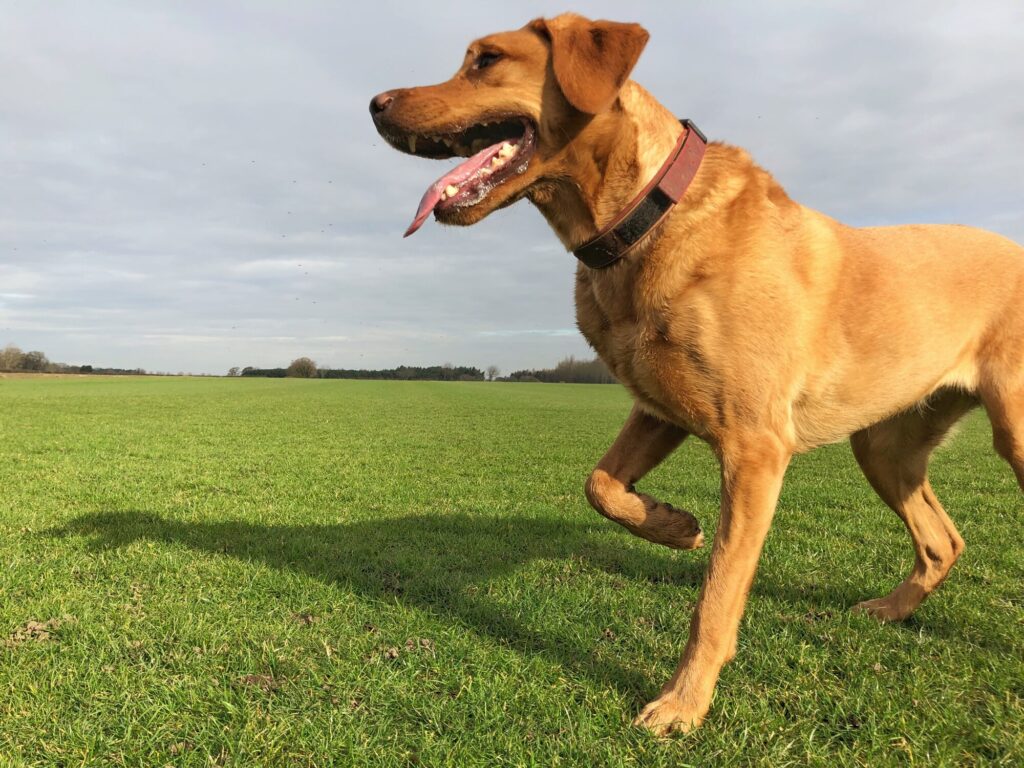
Teamjackson/iStock / Getty Images Plus via Getty Images
A limping dog is reluctant to put weight on one or more legs, usually due to pain. As a result, they have more difficulty walking. Seeing your dog limping can be scary and concerning.
Limping may be short-lived—sometimes a dog may limp for a few moments and then be fine. A dog may have a long-term or progressively worsening limp. In other cases, a dog may limp on and off intermittently. Occasionally, the limp may appear to shift between legs.
Although some causes of limping are obvious, it’s not always easy to determine what’s causing the problem. Limping in dogs is never normal, but some of its associated health problems are more serious than others.
Let’s look at everything you need to know about dog limping and what you can do to help your pup recover.
Why Is My Dog Limping?
Several injuries and conditions can lead to lameness in dogs.
A few common causes of dog limping include:
-
Bone fractures
-
Injuries of tendons or ligaments, such as cranial cruciate ligament rupture
-
Muscle strains
-
Wounds or bruising of the limb or paws
-
Joint dislocations
-
Imbedded foreign material in the paw
-
Bacterial or fungal infections of soft tissues, bones, or joints
-
Developmental disorders, such as:
-
Osteochondritis dissecans (OCD) of the shoulder joint
-
Autoimmune disorders, such as autoimmune or immune-mediated polyarthritis (IMPA)
-
Degenerative joint disease (also known as osteoarthritis)
-
Cancer affecting soft tissues, bones, or joints
-
Damage to or illness that affects the nervous system
This is not an all-inclusive list for causes of limping. Your veterinarian can help you determine what is causing your pet’s limp.
Types of Limping in Dogs
There are a few different types of lameness in dogs.
Chronic Dog Limping
By definition, a chronic limp has been present for two weeks or more.
Perhaps your dog’s limp was barely noticeable a few weeks ago, but now it’s more obvious.
Or maybe you thought your dog’s limp would go away with rest, but it hasn’t.
If your dog’s limping hasn’t resolved within a few days, it’s time for a veterinarian to figure out what’s going on.
A chronic limp is almost never an emergency, but you should make the appointment as soon as possible to get your dog some relief.
Acute Dog Limping
If your dog has just started limping, this is called an acute limp. If this is the case, you need to figure out if your dog's limping is mild or severe.
Mild Dog Limping
A mild limp means your dog is still using the leg but not putting as much weight on it.
If your dog has just developed a mild limp but appears comfortable and healthy in all other ways, it’s not unreasonable to encourage them to take it easy for a few days and see what happens. This usually entails strict cage rest with just outside potty breaks.
If your dog doesn’t start improving quickly, the limping worsens, or your pet isn’t back to normal in a few days, make an appointment with your veterinarian.
Severe Dog Limping
When severely limping, dogs may refuse to bear weight on the affected limb, or they may just barely tap their toes on the ground.
While severe dog limping should be evaluated by a veterinarian quickly, you should take your dog’s personality into account.
Some dogs will avoid bearing any weight on a mildly sore limb while others are stoic and will walk almost normally even though they’re in a lot of pain.
This will help you determine if your dog’s severe limp warrants a trip to the emergency clinic or if you can wait to see your regular veterinarian as soon as possible.
Limping With Other Symptoms
Evaluate your dog’s well-being. Is your dog displaying other signs of pain?
If your pup is showing the following symptoms, take them to the vet right away.
-
Behavior changes (like hiding, unwillingness to move, fear, or reactivity)
-
Bleeding
-
An obvious fracture or dislocation
-
Limb dragging
-
Swelling of the limb
-
Disorientation
What To Do If Your Dog Is Limping
If your dog is limping, you should first assess the severity of the situation.
If your dog’s limp is new and mild and they have no other signs, it’s okay to rest them for a few days to see if the signs improve.
Do not give your dog any over-the-counter (OTC) or human pain relievers or muscle relaxers.
If your pup has been limping for several days with no improvement, then it’s time to call your veterinarian.
If your dog has other symptoms—such as those listed above—contact your veterinarian right away.
If there are no other signs, make sure to evaluate the bottom of your pet’s foot. Occasionally, things like gum, rocks, or cockleburs can get stuck to the bottom of your pet’s foot or between toes, resulting in what looks like a dramatic limp.
Keep in mind that limping generally means your dog is experiencing pain. Even in mild cases, contacting your veterinarian is the best way to get pain relief for your dog. A lot of dogs hide their limp in the veterinary office, so consider taking a video of your dog limping to show your veterinarian.
When resting your dog, keep them from running, jumping, or rough housing. You should take them out on a leash to eliminate.
Diagnosing Limping in Dogs
Vets will diagnose lameness in dogs by taking a thorough health history.
Be prepared to answer the following questions:
-
How long has your dog been limping?
-
Can you identify a specific event that may have initiated the limp?
-
Does the limp come and go, or is it present all the time?
-
What type of treatment have you tried at home? Has it worked?
-
Have you noticed any other changes to your dog’s health or behavior?
-
Does your dog have any underlying conditions that could make the limp worse or even caused it, like arthritis, hip dysplasia, or patellar luxation?
Next, the veterinarian will perform a physical exam that includes:
-
Watching your pet walk to determine if there are gait abnormalities
-
Moving the joints through their normal range of motion
-
Palpating (examining by touch) along the back, limbs, joints, and paws for pain or abnormalities
-
Checking your pet’s reflexes and proprioception (awareness of limb position)
X-rays are often needed to reach a diagnosis. Some cases also benefit from blood work, a CT scan, an MRI, a joint fluid analysis, or other laboratory tests.
Treating Limping in Dogs
The veterinarian will then make treatment recommendations based on your dog’s diagnosis and overall health. In some cases, pain relief and rest may be all that is needed.
Veterinarians often prescribe nonsteroidal anti-inflammatory drugs (NSAIDs) for pain. These medications are safer for dogs than those designed for human use
Medications may include:
-
Galliprant: Galliprant (active ingredient grapiprant) is a prescription NSAID used in the management of pain and inflammation associated with osteoarthritis in dogs. It's an easy-to-give daily medication that can be used at the earliest signs of osteoarthritis.
-
Carprofen: Carprofen is a prescription NSAID used in dogs to reduce pain and inflammation, typically due to osteoarthritis and pain following surgery.
-
Carprofen is the drug’s generic name. Brand names include Rimadyl and Carprieve.
-
-
Deramaxx: Deramaxx (active ingredient deracoxib) is a prescription NSAID used primarily for the treatment of post-operative pain and inflammation caused by orthopedic and general surgery.
-
It’s also used to treat inflammation associated with arthritis, and may also be used to control fevers and inflammation caused by other conditions.
-
When joint health is in question, many veterinarians also recommend the use of nutritional supplements such as:
-
Chondroitin sulfate
-
Methylsulfonylmethane (MSM)
-
Avocado soybean unsaponifiables (ASU)
Common supplements vets may recommend include Nutramax Dasuquin, Nutramax Cosequin, and Nutramax Welactin.
If your pup’s limp is caused by something else, other treatment recommendations may include:
-
Additional medications to manage pain, reduce inflammation, treat infection, and/or suppress the immune system
-
Bandages, splints, braces, or casts
-
Surgery
-
Chemotherapy or radiotherapy for cancer
-
Physical therapy
-
Stem cell therapy
-
Neuromuscular electrical stimulation
-
Transcutaneous electrical nerve stimulation
-
Therapeutic ultrasound
-
Extracorporeal shockwave therapy
-
Hyperbaric oxygen therapy
-
The use of assistive devices like harnesses, slings, prosthetic limbs, or wheelchairs
-
Weight management
You and your veterinarian are a team. Working together, you can design a treatment plan that will soon help your dog feel better.
Recovery and Management of Limping in Dogs
Some causes of limping will recover quickly with rest and pain medications. If your pet has had surgery or more advanced treatments, your veterinarian will likely discuss activity restriction and how to slowly increase your pet’s activity back to normal.
When resting your pet, you should prevent running, jumping, and rough play. Leash walks can help keep your pet safe when they go outside. In some cases, you may need to use a sling or harness to help your pet with mobility.
Consider purchasing soft orthopedic dog beds to keep your pet comfortable. You could also get dog ramps and stairs to help your dog get around more easily.
Preventing Limping in Dogs
Accidents happen, and not all causes of limping in dogs are preventable. Steps you can take to help protect your pet include:
-
Keeping them on a dog leash when not in the fenced yard
- Keeping your pet up to date on flea and tick preventives can protect them from tick-borne illnesses that cause limping
- Getting regular wellness exams to catch health conditions early
-
Keeping your pet at a healthy weight
-
Trimming your dog’s nails every two to four weeks
Why Is My Dog Limping? FAQs
What should I do if my dog is limping?
Not all causes of limping require an immediate trip to the emergency room.
However, resting your pup and evaluating them for any trauma or wounds is a recommended first step.
If your dog is in pain with any of the symptoms listed above or acutely lame, then have him evaluated by a veterinarian as soon as possible.
What does it mean if my dog is limping but not crying?
If your dog is limping but actively crying or whining, he still could be in pain.
The reason could be less severe or they’re simply trying to hide the pain, but they should still be examined by the veterinarian.
When should I take my dog to the vet if she’s limping?
If your dog is actively in pain or is showing any symptoms of those listed above, take her right away to the vet.
If those symptoms are not present or she seems generally fine otherwise, call your vet to get her in as soon as possible.
Some causes of limping may go away with just a little TLC, but it’s always best to have her evaluated than taking a “wait and see” approach.
Do not attempt to give her any medications while waiting to get her examined.
How long does a dog’s limp last?
Limping in dogs can last for several days or weeks for most causes although some dogs may have an intermittent limp for life; the timing is variable and ultimately depends on the underlying cause.
If your dog is limping, it’s best to have him checked by the vet.


