Thrush in Dogs

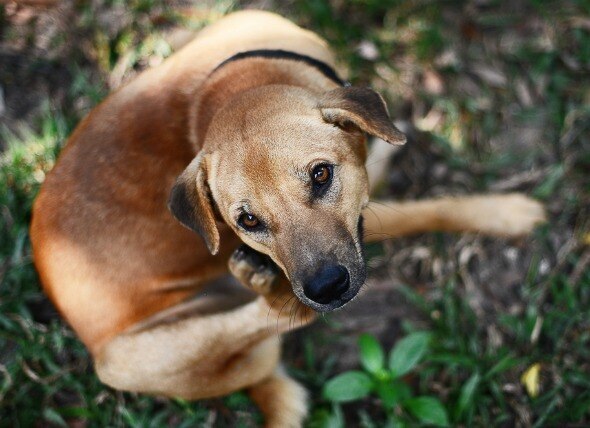
Candidiasis in Dogs
Candida is a type of sugar-digesting yeast that forms part of the normal flora in an animal’s mouth, nose, ears, and gastrointestinal and genital tracts. This type of yeast is opportunistic and will sometimes colonize or invade damaged tissues of immuno-suppressed animals. Candidiasis occurs when there is an overgrowth of Candida in an dog’s body. This type of fungal infection can afflict dogs of any age and breed, even if itl has no predisposing conditions. The infection can take place in one specific part of the body (local), or it can colonize the entire body (systemic). Either affliction is likely to cause extreme discomfort to a dog.
The condition or disease described in this medical article can affect both dogs and cats. If you would like to learn more about how this disease affects cats, please visit this page in the PetMD health library.
Symptoms
How the symptoms of candidiasis manifest largely depends on where the infection takes place. In the case of an ear infection, a common symptom is constant shaking and scratching the head. If Candida settles in the oral cavity, there will usually be an abnormal amount of drooling. If it involves the urinary bladder, the animal may experience inflammation of the bladder (cystitis). Inflammation around areas of intravenous (IV) catheters and gastronomy tubes, fever, skin irritation, and open sores on the skin (ulcerative lesions), are also common signs of candidiasis.
Causes
The causes and risk factors of candidiasis are numerous. Dogs that have skin that has been traumatized, damaged by burns, or that has dying and inflamed tissue (necrotizing dermatitis) carry an increased risk of acquiring the condition. The same can be said for dogs which have neutropenia, a viral (parvovirus) infection. Some of the conditions which can open the door to the Candida fungus are diabetes, urinary retention caused by narrowing of the ureter tubes (typically following a urethrostomy, an artificial opening into the urethra to allow urine to pass). Dogs with indwelling catheters are also at higher risk of contracting candidiasis.
Diagnosis
The diagnostic procedure for candidiasis can be carried out in a number of ways. In case of lesions, a biopsy to confirm or dismiss diseased tissue is conducted. This biopsy will determine whether or not yeast organisms have penetrated the affected tissues. A urine sample will also be taken. The presence of Candida colonies and a simultaneous bacterial infection in the urinary tract will point to candidiasis. The urine analysis will also show yeast forms, or clumps, of mycelial elements. A swab is taken from the ear and this is cultured for the presence of Candida. In dogs that have a fever, tips of catheters are cultured for both bacteria and fungi. Infected tissues will normally contain a white, cheesy foci. In inflamed tissues, tests will find large numbers of yeast organisms in the event of candidiasis.
Treatment
Treatment for candidiasis heavily involves improving and strengthening the immune system. In the case of diabetes, there is also an acute need to regulate the condition's complications and control hyperadrenocorticism. If the dog has any indwelling catheters, these must be removed. Medications that are typically used to treat candidiasis are applied to the skin or otherwise affected area.
Living and Management
After the symptoms of candidiasis have subsided, treatment should ideally be continued for two more weeks. Then, a culture of the infected areas must be re-done to determine if the animal has been cured. Because candidiasis is often caused by an underlying disease such as diabetes, it is of utmost importance that such diseases are controlled.
Prevention
There are currently no known preventative measures.