5 Most Common Types of Dog Eye Injuries: How to Spot, Diagnose and Treat


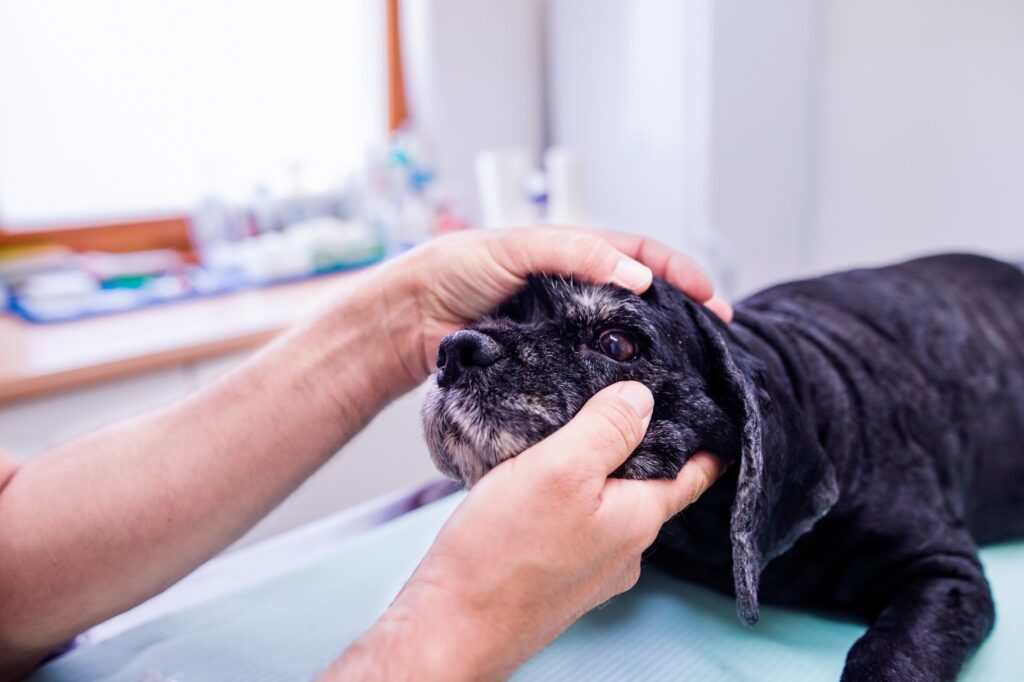
Halfpoint/iStock / Getty Images Plus via Getty Images
Active dogs and eye injuries seem to go hand in hand. After all, our canine companions tend to explore the world nose-first, which means that their eyes are on the forefront of every ill-fated adventure.
Most veterinarians consider eye injuries to be emergencies, so a good rule of thumb is that eye problems should be seen immediately by a veterinarian. Read on to learn some key things you need to know about eye injuries in dogs.
What Are Dog Eye Injuries?
Injuries to dogs’ eyes are extremely common. Since our pooches explore the world face-first—hanging their head out the window as we drive, stuffing their face into a hole in the backyard, or pushing their nose into every thorn bush they can find—facial injuries are a regular occurrence. And because the eyes are delicate, they often take the brunt of a poorly planned adventure.
True eye injuries are most common in younger dogs, who tend to be more active and exploratory. Middle-aged and senior dogs can also develop eye problems, but these are more likely to be secondary to disease rather than injury.
Any injury to the eye should be promptly examined and treated by a veterinarian.
Eye injuries can happen in a variety of ways, and therefore differ in appearance and severity. Dogs tend to paw at their eyes when they are injured, which can quickly turn a minor injury into a major one and can change the initial appearance and obscure the underlying cause.
Injuries can range from a minor scratch with a little inflammation to immediate major damage. Some traumas, such as being hit by a car, can cause the eye to bulge from the eye socket (called proptosis), which is a clear emergency.
All eye injuries are concerning and should be seen promptly by a veterinarian. Even a minor scratch can result in vision loss if it goes untreated and becomes infected.
Types of Dog Eye Injuries
Common types of eye injuries in dogs include:
- Corneal ulceration. This can result from impact with debris, exposure to chemicals, or a dog scratching at a sore eye.
- Puncture wounds. Puncture wounds are typically caused by a sharp object penetrating the eye, such as a thorn or stick.
- Corneal lacerations. Scratches on the clear surface of the eye can be caused by abrasions with something sharp or in fights with other animals.
- Eyelid trauma. A dog’s eyelid could be cut, torn, or bleeding due to an external trauma such as walking into a branch or getting into a fight with another dog. Or the eyelid could be red and swollen.
- Proptosis. Proptosis is the term used to describe when an eye comes partly or completely out of its socket, which is often caused by a severe blow.
Even seemingly small problems like abnormally growing eyelashes can cause injury to the sensitive surface of the eye.
Symptoms of Dog Eye Injuries
Eye problems can make your pet quite uncomfortable, and most dogs with a sudden eye injury will show signs of discomfort, such as acting restless or panting excessively. They may also show some or all of the following signs:
-
Squinting, or holding the eye mostly closed
-
Watery, irritated eyes
-
Red eyes or bloodshot-appearing eyes
-
Pawing at the eyes, or at the face in general
-
Eyes that appear cloudy in bright light
-
Inability to open or close the eye normally
-
Excessive discharge from the eye, often appearing like green-colored mucus
How Do Veterinarians Diagnose Dog Eye Injuries?
Because even a minor eye injury is painful and can lead to permanent loss of vision, any injury to the eye should be promptly examined and treated by a veterinarian.
If you can’t seek immediate treatment, you should use a recovery cone or collar to prevent your dog from rubbing the eye and making the problem worse. Always keep a correctly sized recovery cone for each of your pets in their first aid kit. Put the cone on your dog if they injure their eye and keep it on until you reach the veterinary hospital, to potentially help save your dog’s vision and shorten their recovery time.
Your veterinarian will likely ask how the injury happened, as well as seek details about your dog’s medical history. Some diseases, such as dry eye or diabetes, can make your pup more likely to develop an eye injury and may impact your veterinarian’s treatment plan.
After your vet performs a thorough physical exam, they may recommend eye tests, including a Schirmer tear test, which determines whether your dog’s eyes produce enough tears, as well as a fluorescein stain test, which helps a vet see any injuries to the surface of the cornea (the clear part of the eye).
Treatment of Dog Eye Injuries
Treatment of your dog’s eye will depend on the location and severity of the injury. Minor scrapes and punctures will often be treated with topical medications, while more severe problems may also require oral antibiotics and pain medications.
If your dog’s eye has been severely lacerated, the laceration will need to be repaired, which will require anesthesia and surgery. If the eye has been dislodged from its socket, surgery will be necessary to replace the eye, if possible, or to remove the painful eye, which is known as enucleation.
Eyes are finicky, so it’s vital to understand your veterinarian’s recommendations and to follow their treatment plan. And, as hard as it might be, ensure your dog wears their recovery cone throughout treatment to avoid re-injuring their eye.
Recovery of Dog Eye Injuries
Dogs with minor eye injuries usually recover quickly with appropriate treatment. In most cases, the eye will be back to normal within a week.
Moderate injuries may heal faster. As long as your pup isn’t suffering from additional conditions, such as dry eye, and isn’t taking immunosuppressive medications, such as oral steroids, most moderate injuries will heal within a few weeks. But some eye problems can become chronic if the dog has other medical issues.
More complicated eye injuries that require surgery or referral to an ophthalmologist may need longer-term or more intensive therapies.
When a dog’s eye cannot be saved and must be removed, they will likely recover within two weeks. There is a learning process associated with a change or loss in eyesight, but most dogs master this change in depth perception quickly. Although it’s always preferable to save an eye when possible, removing a painful or blind eye is the best option that most pets tolerate extremely well.
Prevention of Dog Eye Injuries
Prevention is far better than treatment when it comes to eye injuries. Here are a few tips:
-
If your dog is prone to eye injuries or is a brachycephalic (flat-nosed) breed, such as a Pug, French Bulldog, or Shih Tzu, take extra care and precautions.
-
Discourage dogs from chasing wildlife or exploring wooded areas that have a lot of sharp branches.
-
Rinse out your dog’s eyes with a pet-safe rinse after they go for a swim, to clear out chlorine, other chemicals, and debris.
-
Keep your dog away from chemicals and chemical storage areas.
Keeping your pup away from sharp objects like thorny brushes and other eye irritants is key to preventing a dog eye injury from happening in the first place.


