Dietary Reactions in Dogs

Gastrointestinal Food Reactions in Dogs
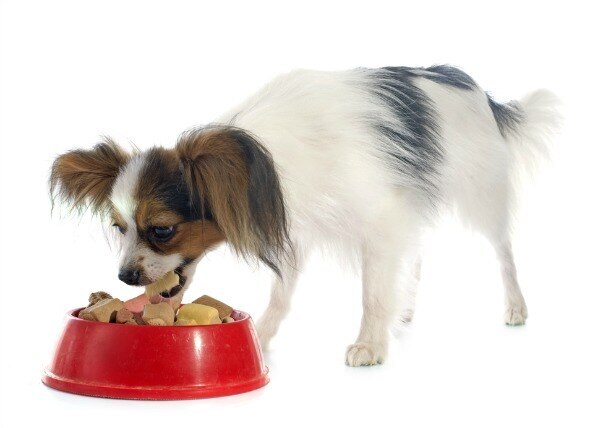
Gastrointestinal food reactions involve abnormal clinical symptoms to a particular diet. A dog that is experiencing a food reaction is unable to digest, absorb, and/or utilize a particular foodstuff.
It is important to note that these reactions are not due to food allergies, which involve an immune reaction to a particular component of a diet. However, both food reactions and food allergy share common symptoms, causes, diagnostics, and even treatments, making it a challenge for an attending veterinarian to differentiate between the two.
Reactions to a particular diet are often due to unknown causes, but they may be linked to a particular dietary ingredient, additive, or dietary compound. Also possible is a reaction to the toxic effects of a particular food contaminant (e.g., Salmonella) or to spoiled foodstuff (e.g., mold/fungus).
Dogs of any age, breed, or gender can be affected. Gluten sensitivity has been reported in Irish setters. Lactose intolerance is a common finding in adult dogs.
Symptoms and Types
Symptoms may appear after adding a new foodstuff or source to your dog’s diet. The clinical symptoms may subside in the fasted state (medically supervised) or within days of a new dietary change. Common symptoms of a dietary reaction include:
- Diarrhea
- Vomiting
- Flatulence/abdominal gas
- Lack of appetite
- Weight loss
- Poor weight gain
- Abdominal pain and discomfort
- Itching/scratching excessively
- Poor body condition
Causes
In most cases of adverse dietary reactions, there is a history of sudden diet change. The dog may also be reacting to food additives, coloring, spices, or propylene glycol, etc. Other underlying factors include an inability to utilize certain component(s) in a food and toxicity due to contaminated and/or spoiled foods.
Diagnosis
Your veterinarian will take a detailed and comprehensive history from you, especially regarding the dog's diet. Diagnosis of food reactions can be a daunting task, as there are a number of other health problems that may produce a similar spectrum of symptoms. Moreover, there are other disorders that may occur with dietary intolerances, further complicating the diagnosis.
Laboratory tests include a complete blood count, biochemistry profile, and urinalysis. However, the results of these tests are often found normal if no other underlying disease is present. Further testing may be required to exclude other diseases that may cause similar symptoms in dogs.
The most widely practiced diagnostic procedure involves dietary manipulation of the affected dog. In this procedure efforts are made to find out the specific culprit in the diet. Home-cooked diets or special diet plans with minimal ingredients or additives are used initially. This can make it easier to determine the problematic dietary component in the individual dog. Typically, within a few days of the new diet clinical symptoms will start improving in these patients. After an improvement in clinical symptoms has been confirmed, your veterinarian will try to find the particular dietary ingredient by using various dietary ingredients.
Your veterinarian may also use endoscopy, a method in which a small camera that is attached to a flexible tube is inserted into the actual space to be examined. In this way the internal structure of the intestines can be closely examined, and will allow your doctor to take a tissue sample from the intestine for laboratory testing. Abdominal X-rays can also be useful in excluding other diseases that may cause similar clinical symptoms.
Treatment
Dogs with severe vomiting, diarrhea, or other clinical symptoms may require hospitalization for intravenous fluid administration, antibiotics, and supportive care. In most cases, the dog does not need hospitalization.
The cornerstone of a successful treatment plan is in identifying the offending dietary component and excluding it from the diet. If the problematic dietary component cannot be identified, your veterinarian will suggest and help you plan a nutritionally complete exclusion diet. A trial and error method can be employed if a confirmatory diagnosis cannot be achieved. Your veterinarian will devise a plan to include or exclude a particular dietary component and monitor the response.
Living and Management
The prognosis of most patients is very good, especially if the offending dietary component has been identified. The major goal of therapy is to avoid the causative dietary component.
If your dog has been diagnosed with food sensitivities, you will need to avoid feeding your dog food scraps or adding new foodstuffs without first consulting with your veterinarian. If your veterinarian has prescribed a specific diet, adherence to the prescribed diet is of utmost importance.
Poor treatment response is commonly due to reduced owner compliance, such as when the dog's owner reverts to giving “treats.” Do not allow children or visitors to feed the dog without prior permission. Good owner compliance will ensure long-term improvement of clinical symptoms.