Shock in Dogs: Causes, Signs, and What To Do If Your Dog Is in Shock


Istock/RobertPetrovic
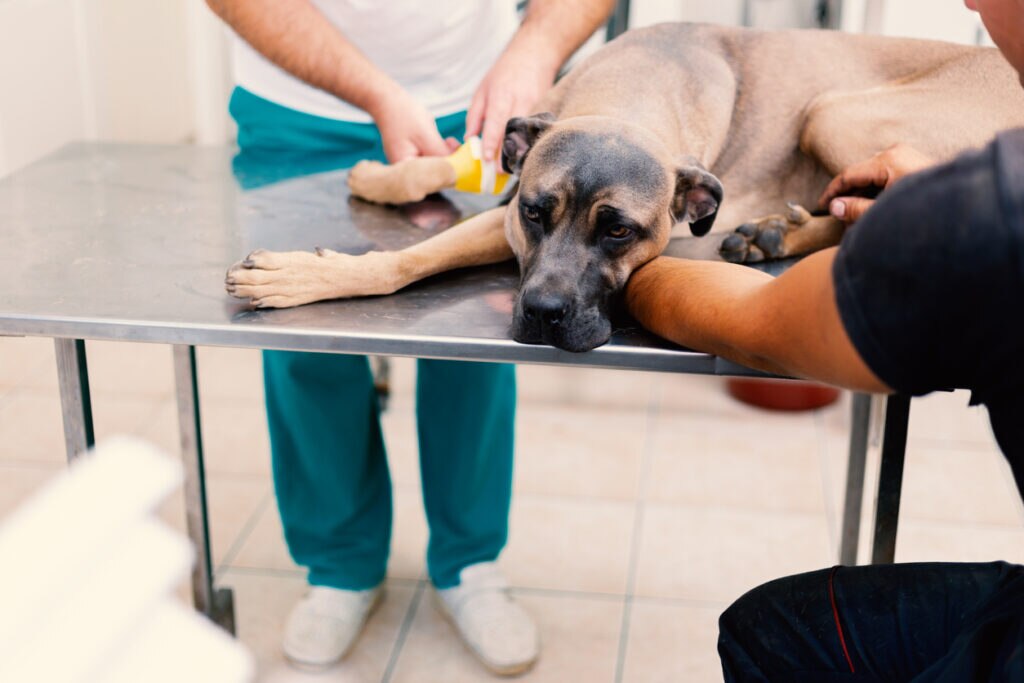
Shock in dogs is a fatal condition if not treated immediately. It’s important to recognize the signs so you know what to do for your dog in the event of an emergency.
Key Takeaways
- Shock in dogs is a critical condition that requires emergency veterinary care.
- This condition has multiple forms, including hypovolemic, cardiogenic, and distributive shock—each with unique causes and symptoms.
- Early recognition of symptoms such as pale gums, increased heart rate, or lethargy can improve survival rates.
- Immediate treatment is essential and includes IV fluids, oxygen therapy, and correcting the underlying cause.
Summary
Shock in dogs is a complex, whole-body reaction to various situations, typically caused by a lack of effective circulation, decreased oxygen, and/or decreased energy usage within cells.
If your pet is not treated immediately by a veterinarian, shock is usually fatal.
Causes
The term “shock” has different meanings, even among specialists. In general, it is characterized by the following types and their causes:
Hypovolemic Shock
Hypovolemic shock in dogs is the most common type; it occurs when the circulating blood volume is dangerously low. This happens with:
-
Internal hemorrhage (ruptured tumors)
-
External hemorrhage (trauma)
-
Coagulopathies (impairment of blood clotting ability)
-
Low blood protein
-
Dehydration (vomiting and diarrhea, burns, or decreased drinking).
Cardiogenic Shock
Cardiogenic shock in dogs is a severe form of heart failure, where the heart cannot properly pump blood throughout the body.
It occurs due to heart disease, heartworm infection, toxins, drug reactions, or severe arrhythmias (irregular heartbeat).
Distributive shock
Distributive shock in dogs, also known as vasodilatory shock, occurs when there is an incorrect distribution of blood flow.
This type of shock includes:
-
Septic (due to infection of the bloodstream, commonly caused by bacterial infection)
-
Anaphylactic (due to allergic response)
It is caused by a variety of abnormalities, generally associated with too much blood volume in the peripheral tissues and not enough circulating in the main vessels.
Systemic inflammatory response syndrome (SIRS), adverse drug reactions, drug overdose, heatstroke, and embolic disease are other causes of distributive shock.
-
Hypoxic shock is caused by decreased blood oxygen levels. This may be secondary to lung disease or to the blood’s inability to carry oxygen correctly. Examples of diseases leading to hypoxic shock include methemoglobinemia, carbon monoxide toxicity, severe lung disease, and anemia.
-
Metabolic shock occurs when the tissues have good blood and oxygen supply but the cells can’t produce enough energy to stay alive. This is caused by abnormal cell metabolism and occurs in some cases of sepsis, low blood sugar, cyanide toxicity, and pH abnormalities.
Because of the complexity of shock, animals will often have multiple types of shock at the same time.
For example, a dog in septic shock may also have a degree of hypovolemic shock. In other cases, one type of shock may lead to another as organs fail.
Shock in any form is a medical emergency. Seek emergency veterinary care immediately if you think your dog is showing signs of shock.
Health Tools
Get quick answers with our vet-created Symptom Checker
Symptoms
Dogs in shock may have a history of trauma, surgery, weakness, collapse, vomiting, diarrhea, or decreased water intake.
Signs of shock include:
-
Weak pulses
-
Altered, dull mental state, such as lethargy or confusion
-
Decreased body temperature
-
Increased and abnormal heart rate
-
Difficulty breathing
-
Dehydration (presenting as decreased skin elasticity, tacky mucous membranes, sunken eyes)
Stages of Shock in Dogs
The signs of shock continuously change and progress quickly:
-
Early Stage: In the early stages of shock, some animals only show mild clinical signs. This early stage can be difficult to recognize, but as time passes, shock can progress to an intermediate stage, known as early decompensated shock.
-
Intermediate Stage: During this stage, the body attempts to conserve blood volume and proper cardiac output by giving vital organs priority in blood distribution. Often, this attempt reduces blood to the other organs, causing them to fail. Without intervention and veterinary treatment, dogs will die once they have reached the intermediate stage.
-
Late Stage: This is also known as late decompensated or irreversible shock, leading to systemic inflammation, systemic organ failure, and death. Survival for a dog at this stage of shock is rare.
Diagnosis
Veterinarians may suspect shock based on a physical exam and the dog’s history. All types of shock will require similar testing. The common tests include:
-
Routine blood work, including a complete blood count and a biochemistry profile, to look for secondary issues and assess organ function
-
Lactic acid tests that indicate how successfully the blood is being distributed to the body
-
Blood gas and oxygen saturation analyses to assess oxygenation status
-
Blood pressure evaluation
-
Electrocardiogram (ECG or EKG) to monitor arrhythmias
-
Radiographs to assess for internal hemorrhage, wounds, cancer, and heart or lung disease
-
Coagulation tests to determine a potential cause of shock or the severity of shock
-
Checking for cardiac enzymes that may indicate heart muscle injury
-
Echocardiography (heart ultrasound) to assess for cardiac dysfunction, valve disease, contractility, and heartworm
What To Do If Your Dog Is in Shock
If your dog is showing signs of shock:
-
Call your veterinarian immediately. They can help determine if you should come to them or go immediately to an emergency vet hospital.
-
Keep your pet warm with a blanket to maintain their body temperature (as long as they are not overheated).
-
Minimize your dog’s ability to move in case they have an injury, such as spinal trauma, that could be made worse.
-
While transporting, hold them in the car, put them in a doggy car seat, or ensure they are secure in a dog carrier.
-
Control bleeding with a compression, if necessary.
-
If they are unconscious or having a seizure, ensure they are lying on their side or have their head hanging off the seat to avoid aspiration. This also helps to increase blood flow to the brain.
-
Do not give food or water.
-
Perform CPR if they are not breathing.
The safety of you and your pet are the most important, so travel safely but get to the vet as soon as possible, ideally with a second person helping to transport.
Treatment
Regardless of the type of shock, the goals for treating dogs in shock are the same: to minimize the pet’s stress as much as possible, to diagnose and treat the underlying disease processes, and to:
-
Restore blood volume with intravenous fluids and blood transfusions if needed
-
Stop any ongoing hemorrhage or damage
-
Increase tissue oxygenation with supplemental oxygenation
-
Correct any cardiac arrhythmias with drugs or surgery
-
Prevent (or treat) any potential infection or suspicion of sepsis with broad-spectrum antibiotic therapy
-
Prevent and correct any organ failure
Recovery and Management
When left untreated, shock in dogs normally results in death. Early recognition, diagnosis of underlying disease, aggressive treatment, and ongoing monitoring are essential for a good outcome.
The following interventions are required during the recovery process:
-
Serial testing of organ function, cardiac status, blood pressure, and oxygenation levels
-
Physical exams
-
Monitoring of vital signs (temperature, heart rate, respiratory rate)
Once vital signs, blood pressure, and urine output have returned to normal, most dogs are out of severe crisis.
However, these patients are still in critical condition and will likely need prolonged hospitalization.
Long-term issues related to a dog’s health depend on the severity of the shock they experienced. This includes impact to organs such as the liver and kidneys, as well as long term impact to the heart.
Neurological status could also be impaired, meaning a dog might have:
-
An altered mental state
-
A limp and/or ataxia
-
Generalized weakness
-
Seizures
-
Possible brain damage
Gastrointestinal upset, mainly diarrhea or appetite changes, may also be an ongoing health issue once a dog has recovered from shock.
If stomach issues persist, probiotics like Purina Pro Plan FortiFlora Powder Supplement are a great addition to add to their diet.
You can also utilize other probiotics for brain and immune support, like Zesty Paws Cognition Bites and Nutramax Imuquin Immune Support Supplement.
Shock in Dogs FAQs
What are the signs of shock in a dog?
Depending on the type and underlying cause of shock, the symptoms can vary. Common symptoms are pale/gray gums, weak or rapid pulse and heart rate, shallow breathing, altered mental state, and even unconsciousness.
How long does a dog in shock last?
If left untreated, a dog will quickly die from being in shock (minutes to hours). The sooner you get them medical treatment, the better the prognosis.
How do I get my dog out of shock?
The only way to get your dog out of shock is to get them to the vet right away for emergency medical care. Without it, they can quickly die.





