Cairn Terrier


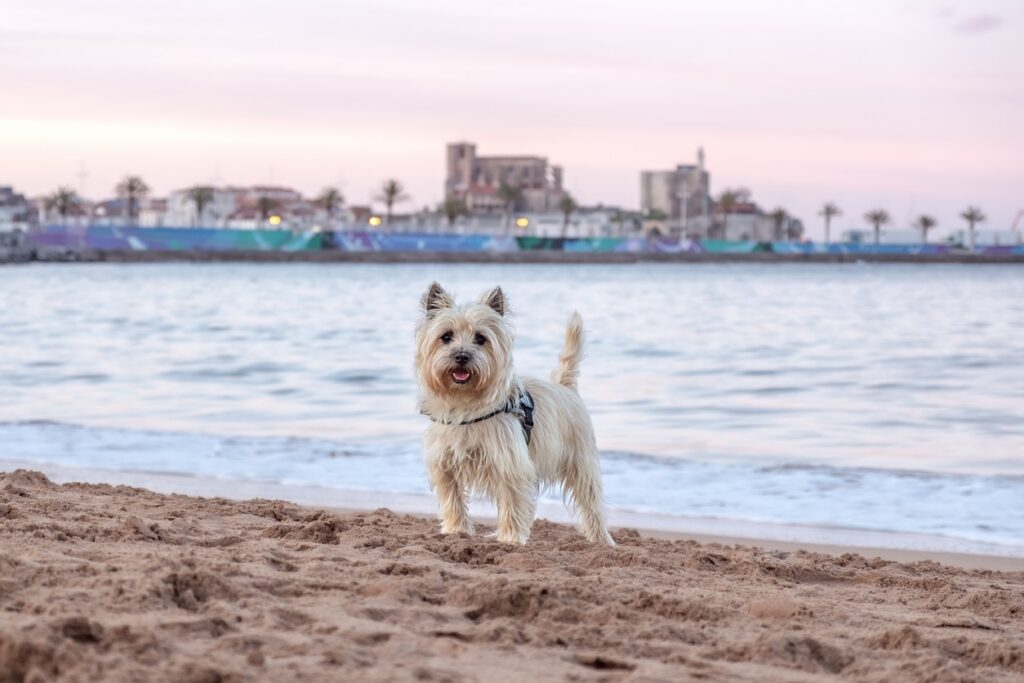
You might recognize the Cairn Terrier as Toto from The Wizard of Oz, but this dog breed hails from the Isle of Skye in Scotland—not Kansas. The Cairn is a small working breed that historically hunted vermin on farmland, according to the Cairn Terrier Club of America (CTCA). Though a tenacious worker, these dogs weigh only 13–14 pounds and stand about 10 inches tall.
Today, you can find this friendly, confident dog breed across the U.S., where they are as happy in an apartment or suburban house as they are on a farm.
Caring for a Cairn Terrier
Cairn Terriers are a courageous breed. Because of their small size and adaptability, they can thrive almost anywhere, whether in a little apartment or on vast acreage like their Scottish ancestors. But, as with all other dogs, pet parents have to stay on top of their Cairn Terrier’s needs to keep them happy and healthy.
One important part of care is grooming. While you don’t need to take regular trips to the groomer, consistently brushing your Cairn Terrier is essential for keeping this breed looking their best and preventing matting. They also need lots of exercise and mental stimulation or they can turn to unwanted behaviors (like digging up your backyard) to entertain themselves. Consistent training is vital from the time your Cairn Terrier is a puppy so they can grow up to have good manners.
Cairn Terrier Health Issues
Cairn Terriers are a primarily healthy breed with a long lifespan of 13–15 years. But according to the Foundation of the Cairn Terrier Club of America, there are several health conditions the breed is susceptible to.
Eye Problems
Cairn Terriers can develop cataracts, a condition where the eye lens becomes cloudy. While this typically develops later in life as a dog ages, Cairn Terriers can also develop juvenile cataracts when they are young. The condition leads to blindness, but cataracts can be corrected with surgery.
The breed can also develop progressive retinal atrophy (PRA), another eye condition that leads to complete blindness. However, unlike with cataracts, there is no treatment for PRA.
Signs of vision loss in dogs are:
-
Confusion
-
Bumping into things
-
Anxiety
-
Not willing to go up or down stairs
-
Not willing to jump
If you notice any of these signs, have your dog examined by their veterinarian as soon as possible.
Cushing’s Disease
Cushing’s disease is when a dog’s adrenal glands secrete too much of the stress hormone cortisol. If you notice your dog drinking a lot more water, urinating more frequently, losing hair, developing a pot-bellied appearance, developing recurring skin infections, or acting more lethargic, talk to your veterinarian. Treatment can involve surgery, radiation, or lifelong medications.
Hypothyroidism
Cairn Terriers are predisposed to hypothyroidism, a disease that results in decreased production of thyroid hormone. Symptoms can include weight gain, chronic skin or ear infections, lethargy, intolerance to cold, and a thinning coat. If you notice any of these signs, schedule a checkup with your veterinarian.
Liver Shunts
Liver shunts may occur in your Cairn Terrier and are characterized by abnormal blood flow that bypasses the liver. This prevents the liver from filtering toxins from the blood, resulting in symptoms such as weight loss, poor growth, increased thirst and urination, vomiting, diarrhea, and behavioral changes such as unsteadiness. This can occur as an inherited condition in a Cairn Terrier puppy or acquired when they’re older.
Patellar Luxation
Patellar luxation is a disorder where your dog’s kneecap slips out of place. The main symptom of a luxating patella is your dog kicking their back legs behind them and bunny-hopping around. Sometimes the condition corrects itself, but severe cases may require surgery, as this condition can be painful and will lead to arthritis. Talk to your vet about joint supplements that are beneficial for dogs with patellar luxation.
What To Feed a Cairn Terrier
Feeding Cairn Terrier puppies, adults, and seniors a healthy and balanced diet is vital. When choosing the best dog food for your Cairn Terrier, select a brand whose nutritional guidelines are approved by the Association of American Feed Control Officials (AAFCO). This will support their active lifestyle, ensure that their digestive system stays healthy, and help their teeth remain strong.
How To Feed a Cairn Terrier
Cairn Terrier puppies should be fed three times a day on a regular schedule. Once they reach adulthood, you can scale back their mealtimes to twice a day. Be sure to always keep fresh water readily available, especially during mealtime.
How Much Should You Feed a Cairn Terrier?
Cairn Terriers can quickly become overweight, so it’s important to measure out each meal. Follow the guidance on your dog food packaging for specific portion sizes and talk to your veterinarian about how much your Cairn eats. Your vet can make adjustments based on your dog’s lifestyle, current weight, and health history.
Nutritional Tips for Cairn Terriers
Most dogs get all the nutrients they need from their well-balanced dog food. Depending on your dog’s health, your vet may recommend nutritional supplements. Never begin giving your dog supplements without talking to the vet first.
Behavior and Training Tips for Cairn Terriers
Cairn Terrier Personality and Temperament
While every dog is an individual and every Cairn Terrier has distinct personality traits, overall this is an active, intelligent, and highly social breed. They can be good family pets with proper training—and if they have outlets to expend their energy. They make good playmates for children, though interactions between kids and dogs should always be supervised.
Cairn Terrier Behavior
Because of their hunting origins, Cairn Terriers cannot resist the urge to chase anything and everything—squirrels, cats, rabbits, cars, and other dogs. Always keep your Cairn inside of a fenced-in space or on a leash whenever they’re outside, so they don’t dart off after something that catches their eye. And just in case, make sure your Cairn is microchipped and always wearing an up-to-date ID tag.
These dogs also love to dig. So if you leave your Cairn Terrier in the backyard unsupervised, don’t be surprised if they turn your garden into a trench.
Cairn Terrier Training
Cairn Terriers are a high-energy breed that thrives on attention. They benefit from continuous playtime, regular training, and dog sports such as agility classes. This curious breed is quick to learn, and with positive reinforcement and patience, your Cairn Terrier puppy can pick up on training cues quickly.
Fun Activities for Cairn Terriers Agility
-
Fetch
-
Dock diving
-
Hunting
-
Frisbee
-
Digging
-
Long walks
Cairn Terrier Grooming Guide
This breed comes in every color except white, and you’ll commonly find silver, cream, gray, and black Cairn Terriers. No matter the color, Cairn Terriers don’t shed much and are relatively low-maintenance.
Skin Care
Cairn Terriers do not need to be bathed frequently due to their waterproof double coat. But if your pup gets a little smelly, it’s best to use a dog shampoo made for breeds with a hard coat, according to the breed club.
Coat Care
Though you don’t need to schedule regular trips to the groomer, the CTCA recommends occasional hand-stripping appointments. This is when the hair is removed at the root instead of clipped, and it works to preserve the Cairn Terrier’s coat texture. This alternative to traditional grooming only removes dead hairs (so it’s not as painful as it sounds!), and it’s often done with a FURminator brush.
Otherwise, a weekly at-home grooming session with a pin brush will keep your pup’s coat free of mats.
Eye Care
It’s important to keep the hair around your Cairn Terrier’s eyes trimmed. This helps ensure they can see clearly and keeps their eyes healthy.
Ear Care
Keeping your dog’s ears clean is essential for preventing debris from accumulating. By cleaning their ears after bath time, you can help prevent ear infections by keeping the ears clean and dry at all times.
Considerations for Pet Parents
Adding any pet to your life is a big responsibility, and Cairn Terriers are no exception. Before you bring home your Cairn Terrier puppy, know that you will need to dedicate time to training, socialization, mental stimulation, and exercise to have a happy and healthy pup. While this dog can be a great fit for families with kids, they might see other, smaller animals as something to chase.
Cairn Terrier FAQs
Is a Cairn Terrier a good family dog?
Cairn Terriers make great family dogs and rambunctious playmates for kids. But, as always, playtime between children and pets should be supervised.
Do Cairn Terriers bark a lot?
Cairn Terriers can become barky and destructive if they are bored, which is why providing enough exercise and stimulation is so important with these smart dogs.
Do Cairn Terriers like to cuddle?
Cairn Terriers are affectionate and do like to cuddle—once all their energy is worked out.
How long do Cairn Terriers live?
Cairn Terriers have a lifespan averaging 13-15 years, consistent with other small dog breeds.
Featured Image: iStock/Sima_ha