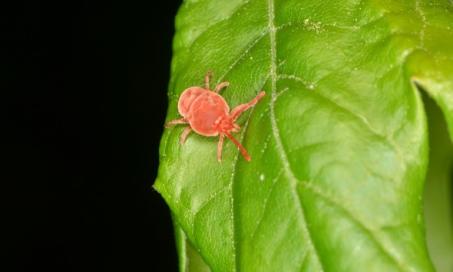
Tick paralysis, or tick-bite paralysis, is caused by a potent toxin that is released through the saliva of certain species of female tick and which is injected into the blood of the dog as the tick infests the skin of the dog. The toxin directly affects the nervous system, leading to a group of nervous symptoms in the affected animal.
READ MOREWhen pet owners are asked what they dread most about the summer months, the topic that invariably comes up most is fleas!
READ MOREFlea bite hypersensitivity and flea allergic dermatitis is the most common skin disease in pets. And although the allergies usually develop when dogs are young (less than one and up to five years of age), flea allergies can begin at any age.
READ MORETicks are parasitic organisms that attach themselves to the skin of dogs, cats, and other mammals by using their mouth parts. These parasites feed on the blood of their hosts and can cause toxicosis or hypersensitivity, and in some cases blood loss anemia.
READ MOREFor those of us with pets, we look forward to winter as a time of respite from the bugs that torment us and our pets. However, winter does not necessarily spell the end of bug season. Consider the following …
READ MORETicks are parasitic organisms that attach themselves by mouth to the skin of dogs, cats, and other mammals. These parasites feed on the blood of their hosts and can cause toxicosis or hypersensitivity, and in some cases blood loss anemia.
READ MOREFlea bite hypersensitivity or flea allergic dermatitis is very common in cats. In fact, it is the most common skin disease to be diagnosed in pets. Flea allergies usually develop when cats are young (less than one and up to five years of age), but can begin at any age.
READ MORESummer is here, and with it comes fun in the sun, camping and hiking, and trips to the lake side. But along with this season of fun and relaxation comes the usual summertime pests: fleas, ticks, and mosquitoes.
READ MORETick paralysis, or tick-bite paralysis, is caused by a potent toxin that is released through the saliva of certain species of female tick and which is injected into the blood of a cat as the tick infests the cat's skin. The toxin directly affects the nervous system, leading to a group of nervous symptoms in the affected animal.
READ MOREWhile we may not be able to roll back the global warming trend, there are easier, softer ways to treat parasites, and ways in which we can avoid some of the pests.
READ MORE