Three Nutrients Your Cat Needs to Stay Energized

Where Your Cat’s Energy Comes From
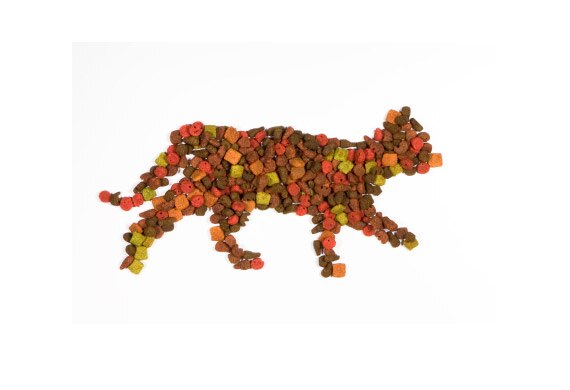
You cat's food serves many purposes. It contains essential nutrients – amino acids, fatty acids, vitamins, minerals, etc. – that the body needs to function. Food is also fuel, providing the energy that cats need to grow, maintain their bodies, reproduce, stay warm, and be active. Use MyBowl tool to determine whether or not your cat’s food is made from a healthy balance of fat, protein and carbohydrates – the sources of energy that fuel your cat’s day.
1. Fats & Oils
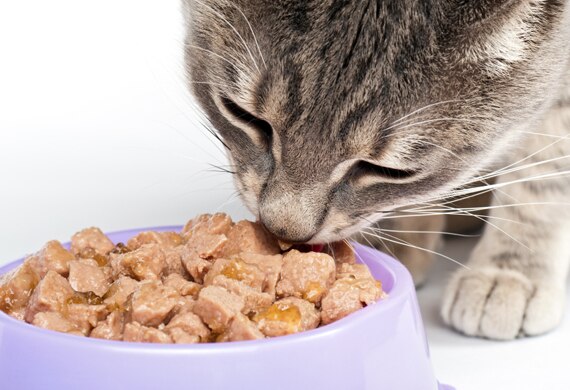
Fats and oils are the most concentrated sources of energy. On the basis of weight, they provide twice as much energy (in other words, calories) as do proteins and carbohydrates. Too much fat in a cat’s food increases the likelihood of weight gain and obesity, but enough is still needed to provide essential nutrients and for the food to taste good. Cats with poor appetites or high metabolic rates may have trouble maintaining their weight on a low-fat diet.
2. Protein
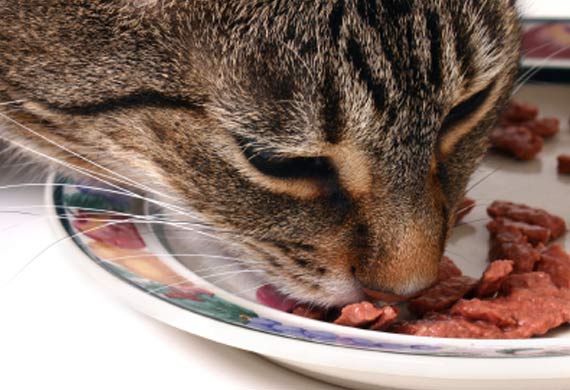
When a cat eats a meal, the digestive tract breaks down large protein molecules into their amino acid subunits. These are then absorbed and recombined to form the exact types of protein that the cat needs at that time. Too little protein in their diet puts cats at risk for metabolic disorders, muscle wasting and weakness. Too much protein can worsen preexisting kidney disease, the organ primarily responsible for excreting the waste generated by protein metabolism.
3. Carbohydrates
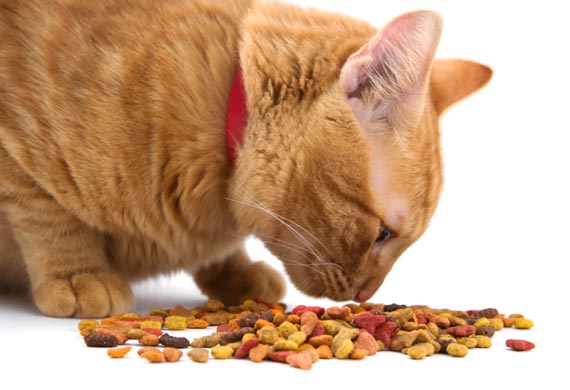
Cats are carnivores and as such do not have a dietary requirement for carbohydrates. However, research shows that healthy cats can effectively use carbohydrates as a source of energy. Incorporating moderate amounts of carbohydrates into cat food helps to keep proportions of fat and protein healthy – not too little, but also not too much. Ingredients like whole grains and potatoes also contain important nutrients such as vitamins, minerals, fatty acids, phytonutrients and fiber that all help maintain health.
Related Articles


