Poisons (Swallowed) in Cats

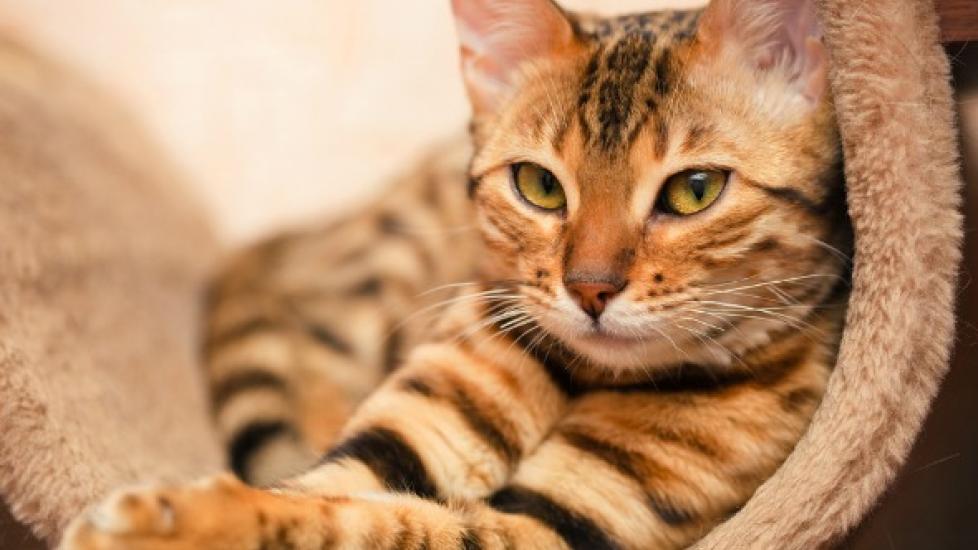
Let's face it, your cat will be curious about anything new placed in his environment. He will sniff the new thing, maybe lick it. If it sticks to his nose or tongue, or if it tastes good, chances are it will be swallowed. Cats will also scavenge food out of the trash, or anywhere else they may find it, and in the process they may also eat any foreign material that may be present. These swallowed items may cause no problem at all. Or, they may become lodged somewhere in the digestive tract and cause a blockage. Equally dangerous, some of these items may be poisonous.
The vast majority of poisonings in cats is from something they ate. These toxins come from many different sources and affect the cat in many different ways. If there is any question about whether something your cat ate is poisonous, call your veterinarian or an animal poison control center. A couple of general rules about what is poisonous:
- Assume all human medications (prescription, over-the-counter, and “recreational”) are poisonous to cats, and could prove fatal. Not all of them are poisonous, but none of them should be given without veterinary supervision.
- Assume anything you would consider poisonous for you or your children is poisonous for your cat. These poisons might affect your cat differently than they would affect you.
What to Watch For
Some poisons will have immediate effects upon swallowing; others may take several days to manifest symptoms. There is no one set of symptoms that will indicate a cat has been poisoned. Rather, poisoning is usually just one of many possible causes for symptoms a cat may have. Some symptoms that might be due to poisoning:
- Drooling, vomiting, loss of appetite, diarrhea
- Lethargy, weakness, depression
- Pale or yellowish gums
- Excessive thirst or urination
- Nervousness, hyperactivity, muscle tremors, seizures, coma
Immediate Care
- If at all possible, identify what your cat ate, then call your veterinarian, the nearest animal hospital or the Pet Poison Helpline at 1-855-213-6680.
- Take the container, label, or sample of the product if there is no label with you to your vet or the animal hospital.
- DO NOT induce vomiting for any other poison, unless specifically instructed to do so by a professional.
Veterinary Care
Diagnosis
The best way to diagnose a poisoning is to observe your cat eating the poison. If there is a suspicion of poisoning, your veterinarian may order tests to try and confirm or rule out the poison. Other tests, usually blood and urine tests, will be done to assess your cat’s overall health, and to try and determine the cause of your cat’s symptoms.
Treatment
If a specific antidote for a confirmed poisoning is available, that will be used. In most cases, however, treatment is aimed at alleviating symptoms and keeping the cat in stable condition until the toxins are processed out of his system. Any or all of the following treatments may be used by your veterinarian:
- Induce vomiting
- Activated charcoal given orally to absorb any toxin still in the gut
- Intravenous fluids
- Various medications to alleviate symptoms
- Repeated testing to monitor the patient
Living and Management
Once the symptoms start to resolve and your cat is out of danger, she will probably be sent home to continue recuperating. She may need to continue taking medications or be placed on a special diet until she is completely recovered. Depending on the toxin, your veterinarian will most likely recommend that you bring your cat in for follow-up examinations or tests. Inform him or her if any symptoms should return.
Prevention
Preventing poisoning is all about preventing access to the toxic substance. Keep household chemicals and all other hazardous materials in the proper containers, carefully sealed and stored. Clean up spills immediately. Do not leave medications out in any place your cat get to or where they might be knocked to the floor.





