Urinary Tract Infection, Lower (Bacterial) in Cats

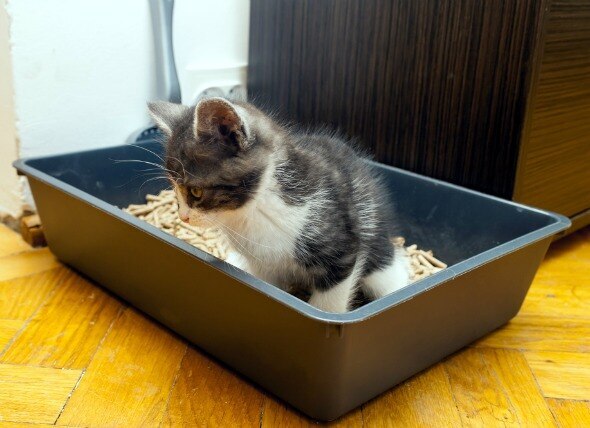
Bacterial Infection of Bladder and/or Urethra in Cats
Urinary bladder and/or upper portion of urethra may be invaded and colonized by bacteria, which results in an infection more commonly known as a urinary tract infection (UTI). Symptoms related to this type of infection include inflammation of the affected tissue and urinary difficulties.
Cats of all ages can be affected, but vulnerability increases with advancing age (common in cats 10 years or older). In such cases, stone formation, prostate disease, and tumors are frequently seen.
Symptoms and Types
- Difficulty urinating
- Blood in urine (hematuria)
- Cloudy or malodorous urine
- Frequent urination, but only in small amounts
- Urinary incontinence, especially during confinement or at places that are not customary (i.e., locations he has not peed before)
- Urination when bladder is touched (occasional)
Causes
E. coli, Staphylococcus, and Proteus spp. account for more than half of all cases of bacterial infections of the lower urinary tract. Less common bacteria include Streptococcus, Klebsiella, Enterobacter, Pseudomonas, and Corynebacterium spp.
Diagnosis
You will need to give a thorough history of your cat’s health to your veterinarian, including the onset and nature of the symptoms. He or she will then perform a complete physical examination as well a biochemistry profile, urinalysis, and complete blood count (CBC). Although the results of the CBC and biochemistry profile are often normal, urinalysis findings will provide valuable information for initial diagnosis. For instance, pus, blood, or proteins are often seen in the urine. The urine sample, which is taken from the bladder with a syringe, is then cultured to grow the causative bacteria (allowing for sensitivity testing).
Once the bacteria is identified, your veterinarian will recommend suitable antibiotics for treatment. X-rays and ultrasonography of the lower urinary tract may also reveal the presence of stone or other abnormal lesion.
Treatment
Most cats recover without complications once the appropriate antibiotics are administered. However, it is important to identify the issue quickly, as such forms of lower urinary tract infections can travel up to kidneys, heart, and other areas, resulting in more severe complications.
Living and Management
Prognosis will ultimately depend on the diagnosis; however, most cats require little more than antibiotics to resolve the infection. In cases of severe and complicated infections with obstructions, surgery may be required. Dietary changes may also be implemented to prevent future episodes of stone formation.
Antibiotics should always be administered at the prescribed dosage and frequency. In addition, do not stop or alter treatment without prior consulting your veterinarian. If long-term antibiotic treatment is recommended, watch your cat for adverse effects, such as allergies, and immediately call your veterinarian if they should arise.
Urine cultures are done 7 to 10 days after completion of therapy. If infection is still present, more prolonged antibiotic therapy or changing the antibiotic may be required.




