Diseases of the Skin on the Nose of the Cat

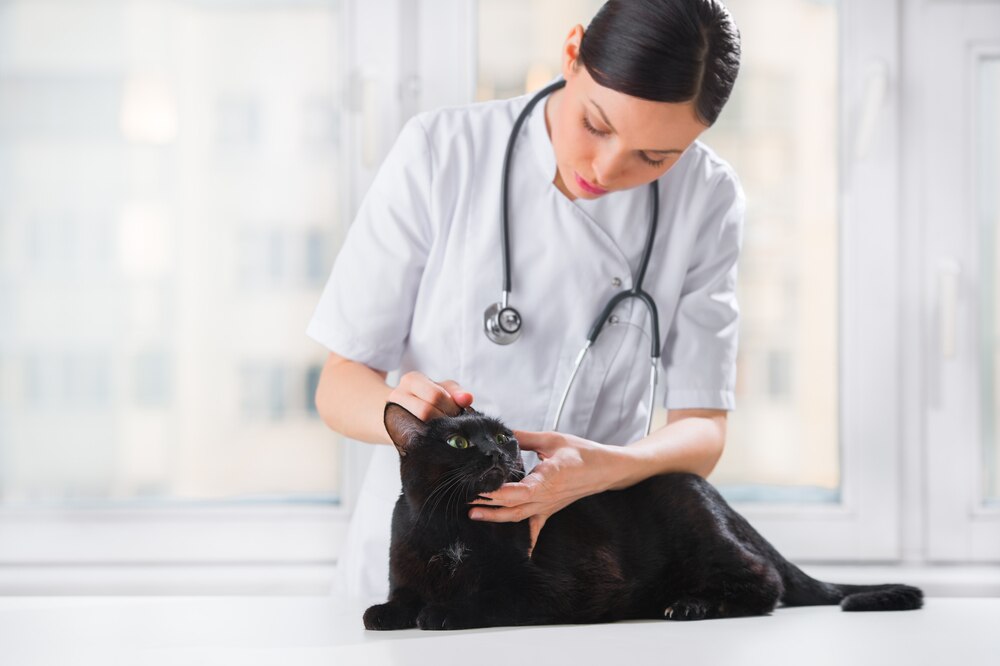
Nasal Dermatoses in Cats
Many diseases affect the skin on the noses of cats. This can include bacterial or fungal infections of the skin, or mites. These diseases may affect the bridge of the nose where there is hair, or the smooth part of the nose, where there is no hair. Often, it is the portion of the nose that has hair that is affected. In the case of systemic diseases like lupus or other autoimmune ailments, the whole muzzle is involved. Some systemic diseases cause the part of the nose where there is no hair to lose its pigment or develop ulcers.
A rare condition caused by the sun, called solar dermatitis, also affects the areas of the nose not covered by hair. That area may become inflamed and even ulcerated. Most of these conditions are more likely to occur in kittens under a year of age, but skin cancers are more likely to occur in older cats.
Symptoms and Types of Nasal Dermatoses
There are many different symptoms that may be seen in cats affected by nasal dermatoses, among them:
- Ulcers/nodules on skin
- Loss of hair (alopecia)
- Eruptions that have pus
- Loss of pigment
- Excess of pigment
- Redness of skin
- Crusts (scabs)
- Scarring
Causes of Nasal Dermatoses
Some factors or diseases that may cause nasal dermatoses include:
- Nasal lesions with pus
- Mites
- Fungus
- Nasal solar dermatitis
- Immune-system disorders
- Connective-tissue disorders
- Zinc-responsive scaling and crusting of skin
- Sensitivity to certain substances, including certain drugs
- Cancer
- Trauma
Diagnosis of Nasal Dermatoses
Your veterinarian will take samples of skin from your cat’s nose to culture for bacteria and fungi. Biopsies and immune system tests will also be conducted.
Treatment for Nasal Dermatoses
The underlying cause of the symptoms will determine the appropriate course of treatment.
- If the diagnosis is solar dermatitis, a cortisone lotion will be prescribed to help relieve the inflammation. Your veterinarian will probably also recommend that you keep your cat out of the sun as much as possible. Sunscreens may be recommended and will need to be applied at least twice daily.
- For pus-filled eruptions, cortisone or prednisone will probably be prescribed, with a gradually declining dosage. These medications should only be used under veterinary supervision. Warm soaks are prescribed to get rid of the crusted skin and pus. Also, be aware of the allergens your cat may be susceptible to, such as a plastic or rubber dish, pillow or blanket, or certain drugs.
- For fungal infections, there is a range of medication to choose from, although the veterinarian may want to surgically remove some of the lesions before the course of antifungal treatment begins.
- Surgery may be required for nodules that are not infected. Immunosuppressive therapy may also be prescribed.
- If your cat's only symptom is loss of pigment, your veterinarian may choose not to prescribe treatment.
- For cancerous tumors, surgery followed by chemotherapy and radiation is usually required.




