Hyperglycemia in Cats: What It Is and How To Help Your Pet


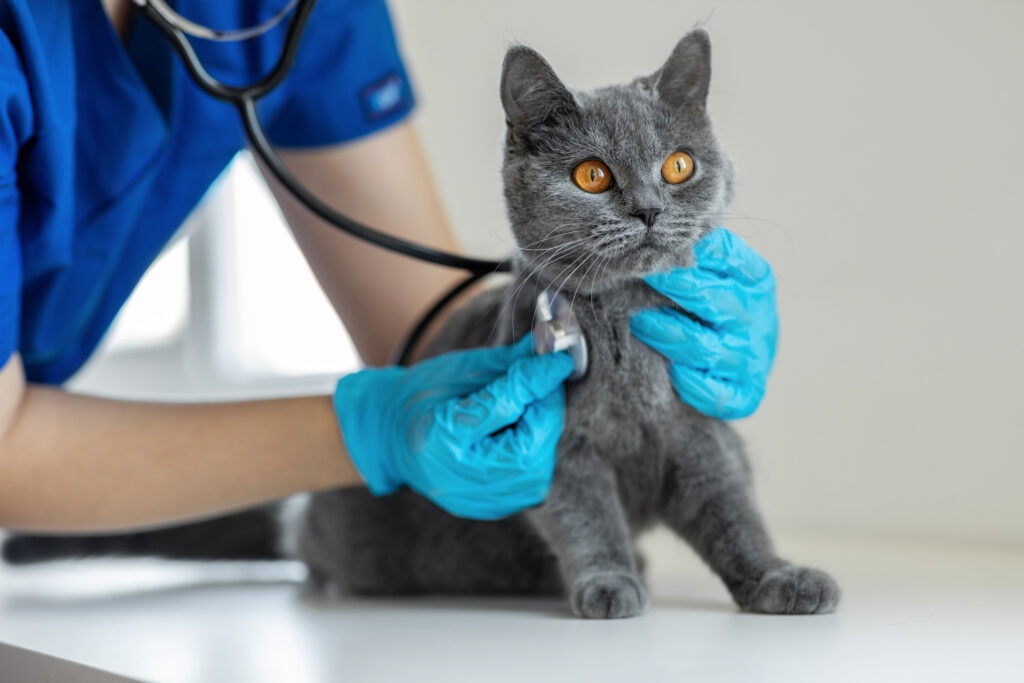
bymuratdeniz/iStock/Getty Images Plus via Getty Images
Hyperglycemia in cats, also known as high blood sugar in cats, is typically linked to diabetes and can become serious if left untreated.
It occurs when your cat’s body can’t properly regulate glucose levels, leading to symptoms like increased thirst, frequent urination, weight loss, and lethargy.
If you notice these signs, contact your veterinarian promptly. Early diagnosis and treatment can help manage the condition and improve your cat’s quality of life.
Key Takeaways
- Hyperglycemia is when a cat’s blood sugar is high, and it is most often caused by diabetes mellitus. However, it can also result from stress, medications, or other underlying health conditions.
- Common symptoms of high blood sugar in cats include increased thirst, frequent urination, weight loss, and lethargy—signs that require veterinary evaluation.
- Treatment for hyperglycemia in cats depends on the cause and may include insulin therapy, dietary changes, and ongoing monitoring to prevent complications and keep blood sugar levels stable.
Summary
Hyperglycemia in cats occurs when a cat’s blood sugar is abnormally high.
Blood sugar levels for cats, as with people, should stay in a specific range to maintain normal body processes. The normal range for a cat’s blood sugar, or blood glucose, is 80 to 120 mg/dL. Anything consistently over 120 mg/dL is considered high.
The pancreas produces insulin, a hormone that helps blood glucose enter the body’s cells so it can be used as energy. Blood glucose is the amount of sugar circulating in the bloodstream at any time and is the body's main source of energy.
High blood glucose can develop if a cat’s pancreas does not produce enough insulin to regulate their blood sugar or if the insulin it produces does not effectively reduce blood glucose (i.e., insulin resistance).
This condition is called diabetes mellitus.
When blood glucose levels get too high, excess glucose will be eliminated in the cat’s urine.
High blood sugar on its own isn’t a medical emergency. However, unresolved feline hyperglycemia can quickly lead to diabetic ketoacidosis (DKA).
Symptoms
Symptoms of high blood sugar in cats include:
-
Excessive water intake (increased thirst)
Cats who are seriously ill, such as those with DKA, usually have more severe clinical signs, including:
Health Tools
Get quick answers with our vet-created Symptom Checker
Causes
The most common cause of hyperglycemia in cats is diabetes. Any cat can develop diabetes mellitus, but it’s most common in cats who are at least 7 years old.
Cats are usually overweight or obese when they develop diabetes, but they then lose weight as the disease progresses.
Tonkinese, Norwegian Forest, and Burmese cats may be more predisposed to developing diabetes when compared to crossbred cats.
Additional causes of hyperglycemia in cats include:
-
Anxiety—Stress, reactivity, or fear can increase blood sugar in cats. This commonly occurs during veterinary visits if cats become stressed out or irritable.
-
In this case, the blood sugar is only temporarily elevated and doesn’t reflect true disease.
-
-
Cushing’s disease—Cushing’s disease, or hyperadrenocorticism, is an overproduction of cortisol due to a tumor of the pituitary gland or adrenal gland.
-
Cushing’s disease is associated with diabetes mellitus and is more common in dogs than cats.
-
-
Acromegaly—Acromegaly occurs in cats who produce excess growth hormone, which is usually due to a tumor in the pituitary gland. This diagnosis should be considered in diabetic cats who continue to gain weight despite good control of the disease.
-
Acromegaly is most common in middle-aged to older male cats, and Maine Coon cats may be predisposed.
-
Other conditions that may predispose a cat to hyperglycemia include recurrent episodes of pancreatitis and kidney failure (especially acute or sudden failure).
Pain is also a cause of hyperglycemia, such as after trauma or surgery, infection, inflammation, fever, or severe illness.
Some medications, such as glucocorticoids (i.e., steroids, such as prednisolone), hormone drugs, and diuretics, increase the risk of hyperglycemia. In cats, this is most associated with the long-term use of steroids.
Diagnosis
Veterinarians typically diagnose hyperglycemia in cats during routine blood work.
Hyperglycemia in cats can also be diagnosed with a drop of blood and a glucometer. If your veterinarian suspects diabetes, for a quick diagnosis they may perform this test prior to running full blood work.
Your vet may also perform a urinalysis to see if your cat has glucose in their urine.
To help your veterinarian make a diagnosis, important things to share about your cat include:
-
Changes in appetite
-
Changes in drinking or urinating habits
-
Any vomiting
-
Changes in weight
Treatment
Treatment of hyperglycemia in cats depends on the underlying cause, which requires specific treatment for the condition to correct the elevated blood sugar.
Transient hyperglycemia in cats that is due to stress or anxiety doesn’t typically need to be treated with medication.
However, your veterinarian may recommend ways to reduce stress for future veterinary visits. These may include anti-anxiety medications, like gabapentin, or feline pheromone products.
Persistent hyperglycemia (diabetes) in cats is typically managed with insulin and dietary changes. Your veterinarian can teach you how to give your cat insulin injections at home.
There are multiple types of insulin available, and your veterinarian will recommend the type that is best for your cat. Examples include:
-
Protamine zinc insulin (ProZinc)
-
Glargine (Lantus)
-
Detemir (Levemir)
For at-home administration of insulin, you will need insulin syringes and a safe way to dispose of needles (such as a sharps container).
You must use the right syringe type for the insulin’s concentration, or the dose you give could cause dangerously low blood sugar.
New oral treatments may be successful for some cats. For example, Bexacat (bexagliflozin tablets) is an insulin-free oral medication for diabetic cats that became available in 2023.
This treatment is meant to help improve blood glucose levels in diabetic cats who haven’t been previously treated with insulin.
Your veterinarian may recommend a veterinary diet to manage your cat’s diabetes. Some possibilities include:
There are also over-the-counter options that may be appropriate for some cats.
With strict dietary management, some cats can go into diabetic remission and will not be dependent on insulin.
Recovery and Management
Depending on the underlying cause of your cat's hyperglycemia, recovery can be short- or long-term.
Stress and anxiety often resolve as soon as the cat is no longer at the vet. If you take a blood sample at home after the visit, the hyperglycemia would likely not be present anymore.
However, if your cat has persistent hyperglycemia and is diagnosed with diabetes, management is lifelong.
Prevention
To help prevent hyperglycemia in cats, keep your pet at a healthy weight and feed them a healthy diet with the guidance of your veterinarian.
Schedule annual wellness exams—including blood work—with your vet, who will assess your cat’s weight and make any recommendations about dietary changes.
Hyperglycemia in Cats FAQs
What are the symptoms of hyperglycemia in cats?
Symptoms of hyperglycemia in cats vary depending on the underlying cause.
Common symptoms include increased thirst, increased urination, increased hunger, and weight loss.
How do you help a cat with hyperglycemia?
To help a cat with hyperglycemia, first a veterinarian must determine the underlying cause.
Once the underlying cause is known, they can instruct you on how to best help your cat with hyperglycemia, whether that be with a new diet, daily injections, or oral medications.




